
For most of human history, infectious diseases behaved like uninvited houseguests with terrible manners. They arrived without warning, spread through entire communities, and frequently refused to leave until thousandsor millionsof people were dead.
Then humanity began fighting back with vaccines, clean water, sewage systems, antibiotics, mosquito control, laboratory testing, disease surveillance, and coordinated public-health campaigns. The results changed civilization. Infections that once closed schools, filled hospital wards, disabled children, or terrified entire cities became rare, preventable, or regionally eliminated.
However, the word triumphed requires a little fine print. Eradication means a disease has been reduced to zero worldwide. Elimination means sustained transmission has ended in a particular country or region. Control simply means cases and deaths have been dramatically reduced. Smallpox is the clearest example of global eradication; most of the other infectious diseases on this list are victories that must be actively defended.
Here are ten remarkable public-health victoriesand the scientific tools that made them possible.
1. Smallpox: The Disease Humanity Truly Eradicated
Smallpox was a contagious viral disease that caused fever, severe pain, and a distinctive rash that developed into fluid-filled sores. Survivors were often left with deep scars, while some experienced blindness. For centuries, smallpox epidemics killed people across social classes and national borders with impressive indifference.
How humanity won
The turning point began with vaccination. Edward Jenner demonstrated in 1796 that exposure to cowpox could protect people from smallpox. Later vaccination programs expanded around the world, but the final campaign relied on more than simply handing out needles. Health workers identified cases, isolated patients, traced contacts, and vaccinated people surrounding each outbreaka method known as ring vaccination.
The last naturally occurring case was recorded in Somalia in 1977. In 1980, the World Health Assembly officially declared smallpox eradicated. It remains the only human infectious disease deliberately erased worldwide. Humanity did not merely beat smallpox in one round; it took the disease’s gloves, canceled its gym membership, and permanently closed the arena.
2. Polio: From Summer Terror to Near-Global Elimination
Polio once inspired particular fear because it could strike healthy children without warning. Most poliovirus infections produce mild symptoms or none at all, but the virus can invade the nervous system and cause permanent paralysis. During major outbreaks, hospitals used iron lungs to help patients whose breathing muscles had failed.
How humanity won
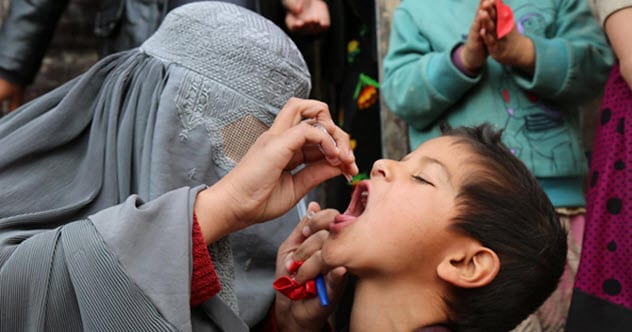
The introduction of the inactivated polio vaccine developed by Jonas Salk in the 1950s, followed by Albert Sabin’s oral vaccine, changed the trajectory of the disease. Large vaccination campaigns interrupted transmission across the United States and eventually throughout most of the world.
Before polio vaccines were available, more than 15,000 people were paralyzed annually in the United States. Wild poliovirus was eliminated from the country in 1979, and global cases have fallen by more than 99 percent since the international eradication initiative began in 1988.
Polio has not yet been eradicated worldwide, and vaccine-derived outbreaks can occur where immunization coverage is inadequate. The victory is enormous, but the final whistle has not blown.
3. Measles: A Vaccine Victory That Needs Constant Maintenance
Measles is so contagious that it can spread through the air after an infected person coughs or sneezes. Before vaccination, nearly every American child eventually caught it. Although many recovered, measles could cause pneumonia, brain inflammation, hearing loss, and death.
How humanity won
A measles vaccine became available in 1963, and the combined measles, mumps, and rubella vaccine later simplified childhood protection. Widespread immunization caused reported cases to collapse. In 2000, measles was declared eliminated from the United States, meaning continuous domestic transmission had stopped.
Eliminated does not mean impossible. Travelers can bring measles into the country, and the virus can spread rapidly through communities with low vaccination coverage. Modern outbreaks are reminders that measles has not become less contagious; society has simply built a strong defensive wall around it.
When vaccination rates fall, measles immediately begins checking the doors and windows.
4. Rubella: Protecting Pregnancies as Well as Communities
Rubella, sometimes called German measles, usually causes a mild illness in children and adults. Its greatest danger appears during pregnancy. Infection early in pregnancy can cause miscarriage, stillbirth, or congenital rubella syndrome, which may result in deafness, cataracts, heart defects, and developmental disabilities.
How humanity won
The rubella vaccine was licensed in the United States in 1969 and later incorporated into the MMR vaccine. Vaccination programs focused not only on protecting children but also on preventing the virus from reaching pregnant people.
The scale of the transformation is striking. During the 1964–1965 U.S. epidemic, approximately 12.5 million people contracted rubella, and about 20,000 babies were born with congenital rubella syndrome. By 2004, endemic rubella and congenital rubella syndrome had been eliminated from the United States.
Imported cases remain possible, making continued vaccination essential. Rubella illustrates an important truth: preventing a seemingly mild childhood rash can also prevent lifelong disability in the next generation.
5. Diphtheria: The “Strangling Angel” Pushed Into Rarity
Diphtheria earned the grim nickname “the strangling angel of children.” Toxin-producing bacteria could create a thick membrane in the throat, making breathing difficult. The toxin could also damage the heart, kidneys, and nervous system.
How humanity won
Antitoxin improved treatment, but widespread vaccination delivered the decisive blow. Diphtheria toxoid vaccines became routinely used in the United States during the 1940s and were later combined with protection against tetanus and pertussis.
During the 1920s, the United States reported approximately 100,000 to 200,000 diphtheria cases and 13,000 to 15,000 deaths annually. After universal vaccination programs were introduced, cases declined rapidly. From 1996 through 2018, only 14 U.S. cases and one death were reported.
Diphtheria still circulates internationally, and protection can decrease over time, which is why adult booster vaccinations remain important. The disease has not retired voluntarily; vaccines have kept it firmly off the schedule.
6. Tetanus: Neutralizing a Threat Hidden in the Environment
Tetanus differs from many diseases on this list because it does not normally spread from person to person. The bacteria that cause it produce spores found in soil, dust, and animal waste. When spores enter damaged tissue, they may release a toxin that causes severe muscle spasms, difficulty swallowing, and the classic symptom known as lockjaw.
How humanity won
Because tetanus spores cannot realistically be removed from the natural environment, eradication is impossible with current tools. Instead, protection depends on vaccination, booster doses, proper wound care, and tetanus immune globulin for certain high-risk injuries.
Since 1947, reported tetanus cases in the United States have declined by more than 95 percent, while deaths have declined by more than 99 percent. Sporadic cases still occur, particularly among people who are unvaccinated or inadequately vaccinated.
This is a different kind of victory: humanity did not eliminate the enemy’s hiding place. We learned how to walk past it safely.
7. Haemophilus Influenzae Type B: A Childhood Menace Disarmed
Despite its misleading name, Haemophilus influenzae type b, or Hib, does not cause influenza. Before vaccination, it was a leading cause of bacterial meningitis among young children. It could also cause bloodstream infections, pneumonia, joint infections, and epiglottitisa dangerous swelling near the airway.
How humanity won
Early Hib vaccines offered limited protection in infants. The breakthrough came with conjugate vaccines, which attached part of the bacterial capsule to a protein that helped young immune systems recognize the threat more effectively.
After Hib vaccines were introduced in the United States during the 1980s and 1990s, invasive Hib disease among children younger than five declined by approximately 99 percent. A diagnosis that once regularly terrified pediatricians became uncommon enough that many younger doctors rarely encounter it.
Hib remains a useful lesson in vaccine design: sometimes the immune system does not need a louder warning. It needs a better translator.
8. Malaria in the United States: Victory Through Mosquito Control
Malaria is caused by Plasmodium parasites transmitted through infected Anopheles mosquitoes. Although now commonly associated with tropical regions, malaria was once established in parts of the United States, particularly the Southeast.
How humanity won
The U.S. campaign combined insecticide spraying, drainage projects, removal of mosquito breeding sites, improved housing, window screens, surveillance, and treatment. The National Malaria Eradication Program began in 1947 across 13 southeastern states.
About 15,000 U.S. cases were reported in 1947. By 1950, the number had fallen to approximately 2,000, and malaria was considered eliminated from the country in 1951. The agency that became the CDC grew partly from these malaria-control efforts.
The mosquitoes capable of spreading malaria still live in the United States, and imported or occasional locally acquired cases can occur. The historic victory therefore rests on surveillance and rapid responsenot on mosquitoes finally agreeing to behave themselves.
9. Cholera: Clean Water Defeats a Fast-Moving Killer
Cholera is an intestinal infection caused by Vibrio cholerae bacteria. Severe cases produce sudden, profuse diarrhea that can drain the body of fluids and electrolytes with astonishing speed. Without treatment, dehydration and shock can become fatal within hours.
How humanity won
Cholera helped teach cities that human waste and drinking water make dreadful roommates. Municipal water treatment, sewage disposal, food-safety standards, hand hygiene, disease surveillance, oral rehydration therapy, and vaccines transformed prevention and survival.
Cholera is now rare in the United States and other industrialized nations. When cases are diagnosed in the United States, they are often connected to international travel or contaminated seafood rather than sustained community transmission.
Globally, cholera remains a serious threat wherever conflict, poverty, disasters, or weak infrastructure disrupt access to safe water and sanitation. The lesson could hardly be clearer: a dependable sewage system may not look heroic, but it saves lives before breakfast.
10. Typhoid Fever: Controlled by Sanitation, Vaccines, and Treatment
Typhoid fever is caused by Salmonella Typhi, a bacterium spread through food or water contaminated with human waste. It can cause prolonged fever, weakness, abdominal symptoms, internal bleeding, and other life-threatening complications.
How humanity won
In the United States, improvements in drinking-water treatment, sewage management, food handling, hygiene, case investigation, and antibiotic treatment made domestic typhoid transmission uncommon. Vaccines provide additional protection for people traveling to places where the infection remains widespread.
Most typhoid cases diagnosed in the United States today are associated with international travel. The disease remains a major concern in communities without reliable sanitation, and antibiotic-resistant strains are making treatment more complicated.
Typhoid demonstrates that medical triumph does not always arrive in a laboratory vial. Sometimes it arrives through underground pipes, health inspections, chlorinated water, and rules requiring food workers to wash their handswhich, frankly, should never have been controversial.
What These Infectious-Disease Victories Have in Common
No single invention defeated all ten diseases. The victories came from combinations of scientific discovery, public funding, medical infrastructure, community participation, and persistent surveillance.
Vaccines trained immune systems before dangerous encounters occurred. Clean water and sanitation blocked fecal-oral transmission. Mosquito-control programs disrupted the life cycles of malaria parasites. Antibiotics and antitoxins improved survival after infection. Laboratories confirmed diagnoses, while public-health workers traced contacts and searched for hidden chains of transmission.
These systems also reinforce one another. A vaccine is less useful if clinics cannot store or deliver it. A laboratory result cannot stop an outbreak if no one investigates it. Clean water systems fail when maintenance is neglected. Public-health success is rarely one dramatic movie moment. It is usually thousands of competent people completing unglamorous tasks correctly, day after day.
That collective effort has prevented hundreds of millions of illnesses and more than a million deaths among generations of American children. It has also created a strange paradox: the better prevention works, the less visible its value becomes. People see healthy children but not the cases of paralysis, meningitis, suffocation, or congenital disability that never occurred.
Five Centuries of Experience: What Humanity Learned From Winning
The human experience with infectious disease offers a humbling lesson: victory rarely means the enemy has vanished forever. It usually means people have built systems strong enough to keep that enemy from regaining control.
Consider the everyday experience of a modern parent. A routine pediatric appointment may involve several vaccines administered in a calm examination room. The visit can feel ordinary, perhaps even inconvenient. Yet each injection represents decades of research, clinical trials, manufacturing controls, refrigerated transportation, safety monitoring, and public-health planning. The parent sees a brief appointment. History sees a child protected from paralysis, suffocation, brain damage, or a dangerous bloodstream infection.
The same hidden protection appears when someone turns on a kitchen faucet. Clean water arrives instantly, without boiling, filtering, or wondering whether the previous household upstream dumped waste into the same supply. That simple experience represents one of the greatest infectious-disease interventions ever developed. Water treatment and sanitation pushed cholera and typhoid out of ordinary American life so effectively that many people now associate both diseases only with history books or distant emergencies.
Travel offers another useful perspective. A person preparing for an international trip may check vaccine recommendations, pack mosquito repellent, receive antimalarial medication, or become unusually suspicious of ice cubes. Those precautions reveal an important distinction between local control and global eradication. A disease can be rare at home while remaining common elsewhere. Air travel can move an infected person across continents faster than symptoms appear, making surveillance and vaccination international responsibilities.
Outbreaks also show how quickly forgotten diseases can become real again. When measles appears in an undervaccinated community, public-health teams must identify cases, notify exposed families, review immunization records, arrange testing, and advise isolation. Parents who have never seen measles suddenly discover why earlier generations feared it. The virus has not learned a new trick. It has simply found a gap in the defenses.
Perhaps the most powerful experience is comparing generations. An older relative may remember classmates who wore leg braces after polio, families who feared summer outbreaks, or children hospitalized with diseases now prevented through routine vaccination. A younger person may have no direct memory of those threats. That absence is not evidence that prevention was unnecessary. It is evidence that prevention worked.
Humanity’s infectious-disease victories therefore produce responsibilities as well as celebrations. Vaccination records must be maintained. Water systems must be repaired. Laboratories must remain funded. Medical professionals must recognize unusual infections. Travelers must take prevention seriously. Governments must share information rather than hide outbreaks until microbes have already booked international flights.
The experience of defeating these diseases also encourages realistic optimism. Humans are not powerless against emerging infections. Science can identify pathogens, decode their biology, develop vaccines and medicines, improve treatment, and organize prevention. But success requires trust, cooperation, access, and patience. Microbes are excellent opportunists; fortunately, humans are excellent problem-solvers when we agree that solving the problem matters.
Conclusion: A Triumph Worth Defending
The top infectious diseases humanity has overcome tell one of civilization’s most encouraging stories. Smallpox was eradicated worldwide. Wild polio, measles, rubella, and malaria were eliminated from sustained transmission in the United States. Diphtheria, tetanus, invasive Hib disease, cholera, and typhoid were pushed from common dangers into rarity through vaccination, sanitation, treatment, and surveillance.
None of these victories happened because a disease became bored and wandered away. They required scientific breakthroughs, public investment, international cooperation, and millions of individual decisions to participate in prevention.
The final lesson is simple: public health is not a trophy placed permanently on a shelf. It is more like a championship title that must be defended every season. Vaccines must remain accessible, sanitation systems must function, outbreaks must be detected quickly, and medical knowledge must be passed to each new generation.
Humanity has already proved that infectious diseases capable of shaping history can be defeated. The challenge now is remembering how those victories were achievedand refusing to casually hand the microbes a rematch.











