
Living on a small income is not a character flaw, a cosmic joke, or proof that you “just need to stop buying coffee.” Sometimes income is tight because wages are low, hours are unstable, rent is rude, groceries have become dramatic, or life simply arrived wearing steel-toe boots. If that sounds familiar, take a breath. Surviving on a small income is hard, but it is not impossible.
The goal is not to become a spreadsheet monk who finds spiritual enlightenment in a half-used coupon. The goal is to stay housed, fed, functional, and slightly less stressed. That means making smart decisions in the right order: protect essentials first, cut silent leaks, use every support available, and build small wins that keep you moving forward.
This guide walks through 15 practical steps to help you survive on a small income without losing your mind, your dignity, or your last five dollars to a mystery subscription you forgot existed. Let’s get into it.
1. Start with your real take-home pay
You cannot build a survival plan using fantasy math. Start with the money that actually lands in your bank account after taxes, insurance, and deductions. If your income changes from week to week, use your lowest normal month as your planning number. That gives you a budget built for real life, not your most optimistic Tuesday.
Include wages, gig income, child support, benefits, side work, and any other regular money. Then stop right there and admire the truth. It may not be glamorous, but it is useful. And useful beats glamorous every time.
2. Build a “keep the lights on” budget first
Before you budget for goals, build a survival budget for necessities. Think of this as your financial emergency raft. List housing, utilities, food, transportation, medicine, insurance, minimum debt payments, and basic phone service. Everything else is secondary until those are covered.
This step matters because many people try to fix tight finances by trimming random small items while ignoring the giant categories that do the real damage. A small income requires ruthless clarity. Your first budget is not about perfection. It is about stability.
3. Separate needs, wants, and “money leaks”
Some expenses are obvious wants. Others sneak around in a fake mustache pretending to be necessities. Streaming services, delivery fees, impulse convenience-store stops, unused apps, late fees, overdraft fees, and “treat yourself” habits can quietly eat a surprising amount of income.
Go line by line through one month of spending and mark each item as a need, a want, or a leak. A leak is anything you do not value enough to defend in court. Be honest. If you forgot you even paid for it, it is probably not sacred.
The point is not to eliminate all pleasure. The point is to stop spending limited money on things that bring limited value.
4. Plan food like a field commander, not a hungry poet
Food is one of the few categories where a little planning can save real money fast. Start with a weekly meal plan based on inexpensive staples: rice, oats, beans, pasta, eggs, potatoes, frozen vegetables, peanut butter, yogurt, canned tuna, rotisserie chicken, and store-brand basics. Build meals around what is already in your kitchen before you shop.
Make a list. Eat before shopping. Compare unit prices. Buy generic when the quality is close. Use a freezer like it is a trusted assistant instead of an icy museum for forgotten leftovers. Cook once, eat twice. Chili, soup, burrito bowls, casseroles, stir-fries, and sheet-pan meals are not glamorous, but they are efficient little heroes.
If fresh produce is pricey, frozen can be cheaper, last longer, and save you from the tragic death of that spinach you swore you were going to use.
5. Use benefits and community help without shame
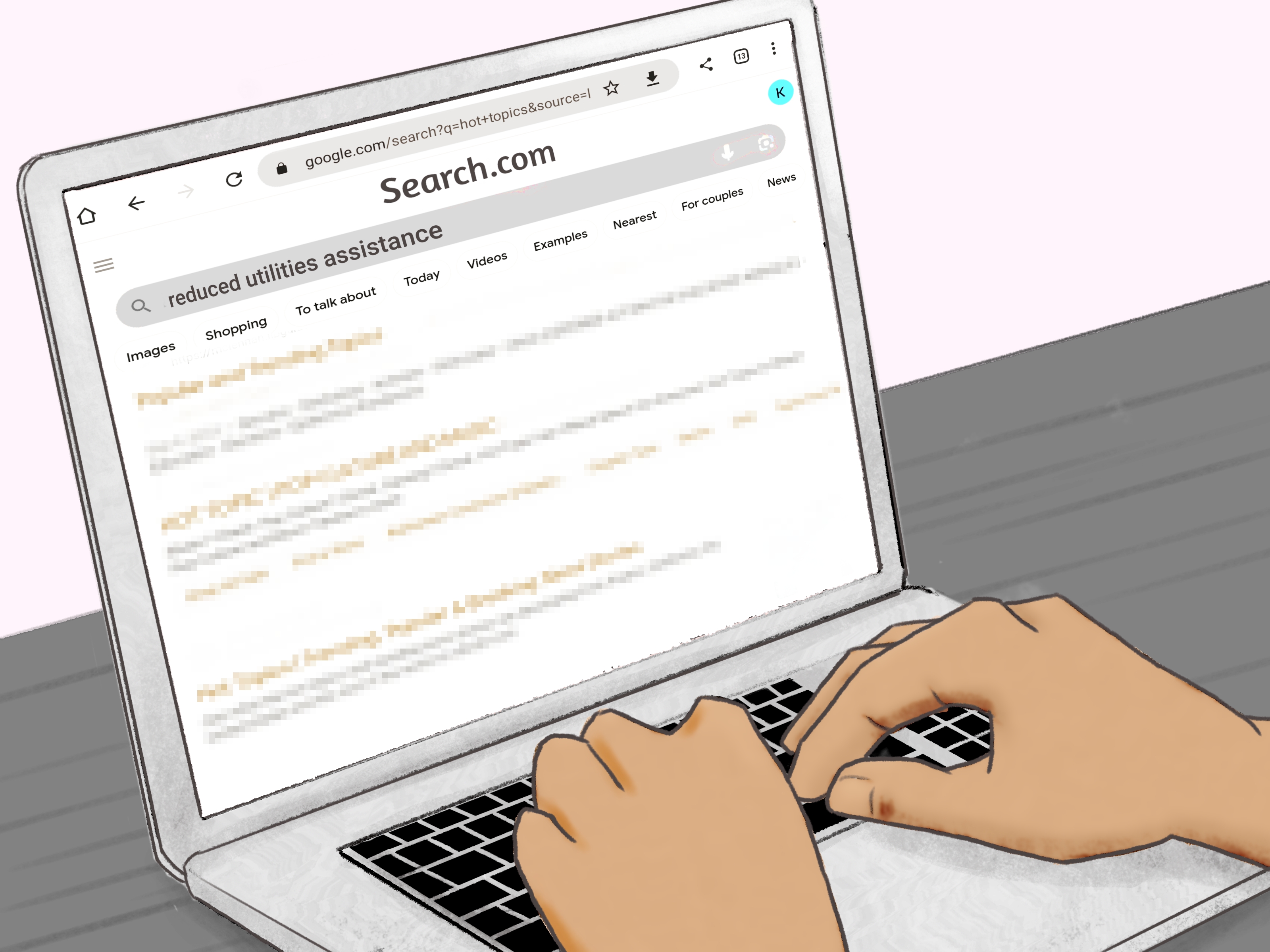
If your income is low, support programs are not “extra.” They are part of the plan. Check whether you qualify for help with food, health coverage, child care, energy bills, cash assistance, or internet and phone service. Many people assume they will not qualify and never apply. That is like refusing to open an umbrella because rain seems personal.
Programs and local support can include food assistance, WIC, Medicaid or CHIP, utility relief, rental help, and local nonprofit services. Calling 211 can help you find location-specific resources for food pantries, emergency aid, housing help, counseling, and other essentials.
A small income stretches further when it does not have to do every job alone.
6. Tackle housing first because it can crush the whole budget
Housing is often the biggest expense, which means it deserves the biggest attention. If rent is swallowing your entire paycheck, look at every realistic option: a roommate, moving to a cheaper unit when your lease allows, negotiating a renewal, taking a room instead of an apartment for a season, or getting help from a HUD-approved housing counselor.
If you are behind, act early. Landlords are much easier to deal with before silence turns into legal paperwork. Ask about payment arrangements. Look into local rental aid. Be careful with listings that seem too cheap or too urgent; rental scams love desperate situations.
No, moving is not fun. Few people have ever described apartment hunting as “restorative.” But when housing costs are unsustainable, pretending otherwise is more expensive than facing it.
7. Cut utility bills in boring but effective ways
Utility savings are rarely exciting, but they are dependable. Lower the thermostat in winter and raise it a bit in summer if it is safe for your household. Unplug energy drifters. Wash laundry in cold water. Air-dry when possible. Seal drafts. Use fans smartly. Run full loads in the dishwasher and washing machine.
If bills are already overwhelming, contact the utility company before you miss multiple payments. Ask about budget billing, payment plans, or hardship programs. Also check for energy assistance or weatherization programs in your area. Small-income survival gets easier when monthly costs become more predictable.
8. Get cheaper phone, internet, and banking
A lot of people on tight budgets keep paying premium prices for basic services out of habit. That habit is expensive. Compare prepaid phone options, lower-cost internet plans, and programs for eligible households that reduce communication costs. You do not need a luxury data plan to answer emails and watch one video of a raccoon stealing cat food.
Banking matters too. If your account keeps generating fees, switch to a safer, low-cost checking option with fewer traps. Overdraft fees are especially dangerous on a small income because one bad day can multiply into three expensive mistakes before lunch.
Good financial survival is often less about earning miracles and more about avoiding unnecessary penalties.
9. Stop fees before they become a side hustle for other people
Late fees, overdraft fees, ATM fees, reconnect fees, and penalty interest are what happen when your money is already tired and then gets mugged in an alley. Set up calendar reminders for bills. Change due dates if your providers allow it so they line up with payday. Turn off overdraft coverage for debit card purchases if that helps you avoid fee spirals. Use only in-network ATMs. Ask for fee waivers when you slip up.
People are often too embarrassed to ask. Ask anyway. A polite phone call can save money, especially if you have been a decent customer and caught the problem quickly.
10. Negotiate bills instead of assuming the number is sacred
Medical bills, old debts, and some service bills are often more flexible than they first appear. If a bill is too high, call and ask for a payment plan, a discount, hardship assistance, or an itemized statement. That one move can expose errors, duplicate charges, or weird little fees that arrived with too much confidence.
If you receive a medical bill you cannot handle, do not ignore it. Ask about financial assistance, dispute mistakes, and know your rights if collections get involved. If you have health coverage, learn what surprise-billing protections may apply. If you are uninsured or underinsured, look into Medicaid, CHIP, or other support options as soon as possible.
11. Attack high-interest debt strategically
Debt on a small income feels like trying to run while someone keeps adding bricks to your backpack. You may not be able to pay it off quickly, but you can stop it from getting worse. Make minimum payments on time to protect your credit and reduce damage. If you have any extra cash, send it to the highest-interest debt first, unless one tiny balance can be cleared quickly to free up breathing room.
If the numbers are beyond what you can manage, talk to a reputable nonprofit credit counselor. A good counselor helps you understand options and create a plan without selling nonsense wrapped in motivational glitter.
12. Build a tiny emergency fund anyway
Yes, saving money when money is scarce sounds like comedy written by someone with a trust fund. But even a very small emergency cushion matters. Start with a mini goal: one week of groceries, one utility bill, or a small flat amount that keeps minor disasters from going on a credit card.
Save automatically if possible, even if the amount feels laughably small. Laugh and save it anyway. The purpose is not to impress anyone. The purpose is to create a buffer between you and chaos. On a small income, the emergency fund is not a luxury. It is a shock absorber.
13. Max out tax refunds, credits, and free filing help
Many households living on modest income leave money on the table at tax time. Check whether you qualify for credits such as the Earned Income Tax Credit or other family-related credits. Use free filing options if you are eligible, and look for IRS-backed free tax help if your return is simple or you meet program rules.
That refund should not be treated like surprise vacation money. It is a chance to catch up on essentials, pay down debt, buy a needed car repair, or build savings that protect next month’s version of you from panic.
14. Increase income in ways that do not wreck your life
Cutting costs matters, but there is a limit to how many times you can negotiate your celery. At some point, increasing income matters too. Look for flexible ways to add earnings: extra shifts, weekend work, tutoring, cleaning, pet care, child care, freelance admin work, reselling unused items, or a temporary seasonal job.
Be careful, though. The best side income is not always the one with the flashiest promise. Factor in gas, time, child care, and mental bandwidth. An extra $200 that costs you your sanity and half your Saturday may not be the genius move it first appears to be.
Whenever possible, choose income boosts that build a skill, relationship, or long-term opportunity instead of just extracting more hours from your body.
15. Create routines that make survival easier
When income is small, systems beat motivation. Set one weekly money check-in. Review balances, due dates, groceries, transportation, and anything weird that hit your account. Plan meals before the week begins. Keep a running list of low-cost dinners. Put important numbers in one place. Save copies of benefit paperwork. Make decisions once so you do not have to re-negotiate them every day while tired.
The less chaos you have, the fewer expensive mistakes you make. Survival on a small income is not just about math. It is about reducing friction, stress, and decision fatigue so your limited dollars are not constantly cleaning up preventable messes.
What this looks like in real life
Let’s say you bring home a modest paycheck, your rent is high, and your grocery budget keeps getting body-slammed by inflation. A practical response might look like this: move to a stripped-down essentials budget, switch to prepaid phone service, cancel three subscriptions, apply for utility help, start cooking five cheap meals on repeat, ask the hospital for a payment plan, and direct your tax refund toward a small emergency fund plus one ugly credit card balance.
None of that is glamorous. But glamorous is overrated. Stability is the real flex.
of Real-World Experience: What Surviving on a Small Income Actually Feels Like
People who have lived on a small income know the experience is not just financial. It is emotional, logistical, and weirdly mathematical. You become the kind of person who can estimate the price of groceries by lifting the basket and staring into the middle distance like a budget wizard. You know which gas station is three cents cheaper, which store marks down bread at night, and which friend always suggests restaurants as if side dishes are free and magic.
One common experience is that nothing feels small when money is tight. A ten-dollar mistake is not “just ten dollars.” It is bus fare, lunch for two days, detergent, or the difference between paying a bill on time and hearing that awful robotic voice say your payment was not processed. That changes how you think. You stop asking, “Do I want this?” and start asking, “What problem will this create next week?” That mindset can be exhausting, but it also builds serious financial awareness.
Another experience is learning that convenience is expensive. When money is limited, last-minute choices usually cost more. Ordering takeout because you are tired, paying a late fee because you forgot a due date, grabbing snacks at a gas station because you did not pack food, or using the nearest ATM because it is raining can all chip away at a tight budget. Over time, many people on small incomes become excellent planners, not because they are naturally organized, but because disorganization keeps sending them invoices.
There is also a social side people rarely talk about. Surviving on a small income often means becoming good at saying no. No to trips, no to expensive birthdays, no to impulse shopping, no to group plans that assume everyone can casually spend fifty bucks on tacos and parking. Sometimes that feels isolating. Sometimes it feels embarrassing. But many people eventually learn that honest boundaries are cheaper than pretending. A simple “That’s not in my budget right now” can be awkward for five seconds and useful for five years.
Then there are the small victories, and they matter more than outsiders realize. The first month you avoid overdraft fees feels like winning a tiny championship. The week you cook at home and still have groceries left on Sunday feels almost luxurious. Getting approved for utility assistance, finding a cheaper car insurance rate, or finally saving even a few hundred dollars can bring enormous relief. Not because the amount is huge, but because it proves you are no longer in free fall.
Many people who survive on a small income also become incredibly resourceful. They trade services, borrow tools instead of buying them, learn basic repairs from videos, compare prices with Olympic focus, and discover that libraries are still one of the greatest bargains in America. They get strategic, not stingy. They learn the difference between spending less and living smaller. That distinction matters.
Most of all, experience teaches that surviving on a small income is rarely about one grand trick. It is usually about dozens of steady decisions made under pressure: planning meals, paying essentials first, asking for help early, negotiating what can be negotiated, and refusing to let shame keep you from using available resources. It is not glamorous, but it is resilient. And resilience, unlike a mystery subscription, is worth keeping.
Conclusion
If you are trying to survive on a small income, the answer is not to become perfect. The answer is to become deliberate. Know your real numbers, protect the essentials, use the programs and tools available, cut the expensive leaks, and build routines that make hard months less chaotic.
Small income survival is not about deprivation as a lifestyle brand. It is about giving every dollar a serious job, reducing avoidable stress, and slowly creating enough room to breathe. It may not happen all at once. That is fine. Progress is still progress, even when it shows up wearing store-brand shoes.











