
High blood pressure does not usually burst into the room wearing a cape and shouting, “Behold, I am the problem!” That would actually be helpful. Instead, it tends to show up quietly, sit in the corner, and slowly rearrange your health like an uninvited houseguest who somehow also knows how to damage plumbing, wiring, and the roof.
Also called hypertension, high blood pressure happens when the force of blood pushing against your artery walls stays too high for too long. Over time, that constant pressure can injure blood vessels and make your heart work harder than it should. The result is not just “a blood pressure issue.” It can affect your heart, brain, kidneys, eyes, arteries, and more. In other words, it is a full-body problem with a talent for staying sneaky.
If you have ever wondered why doctors care so much about a cuff, a reading, and a follow-up visit, this is why. High blood pressure is often called a silent condition, but the damage it can cause is anything but quiet.
What High Blood Pressure Really Means
Blood pressure is measured with two numbers. The top number is systolic pressure, which reflects the pressure when your heart beats. The bottom number is diastolic pressure, which reflects the pressure when your heart relaxes between beats. When readings stay elevated over time, the stress on your blood vessels adds up.
Think of your arteries like a garden hose. A normal flow is manageable. But if the pressure stays high all day, every day, the hose begins to wear down. In your body, that “wear and tear” can stiffen arteries, encourage plaque buildup, reduce blood flow, and make the heart pump against more resistance. Not exactly ideal. Your body prefers teamwork, not a daily wrestling match with circulation.
Why Hypertension Is Called the “Silent” Problem
One of the trickiest things about high blood pressure is that many people feel completely fine. No flashing lights. No dramatic soundtrack. No reliable early warning system. That is why plenty of adults discover it during a routine checkup, a pharmacy screening, or after they have already developed complications.
That silence can create a dangerous illusion: if nothing hurts, nothing must be wrong. Unfortunately, hypertension does not need your permission to keep causing trouble. It can affect your organs slowly for years before symptoms appear, and by the time symptoms do show up, the damage may already be underway.
What High Blood Pressure Can Do to Your Body
1. It Can Damage Your Arteries
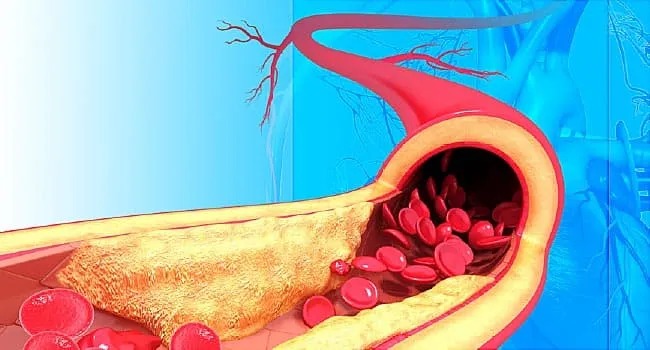
Your arteries are supposed to be strong, smooth, and flexible. Chronic high blood pressure can injure the lining of those blood vessels. Once that lining is damaged, it becomes easier for fat, cholesterol, and other substances to collect there. Over time, this can lead to atherosclerosis, or hardening and narrowing of the arteries.
When arteries narrow, blood has a harder time getting where it needs to go. That affects the entire body. Reduced blood flow can raise the risk of chest pain, heart attack, stroke, and circulation problems in the legs and other tissues. So yes, the first big target is often the blood vessel itself. Once the highways are damaged, traffic gets ugly everywhere.
2. It Can Overwork and Enlarge Your Heart
Your heart is a hard worker, but it is not asking for overtime every minute of the day. With high blood pressure, the heart must pump harder to move blood through narrowed or stiffened arteries. That extra workload can cause the heart muscle to thicken, especially the left ventricle, the chamber responsible for pumping blood to the body.
At first, a thicker heart muscle might sound strong, almost athletic. In reality, it is more like a machine being forced to compensate under strain. A thickened heart can become less efficient, less flexible, and more likely to fail over time. This can contribute to left ventricular hypertrophy, coronary artery disease, angina, heart attack, and heart failure.
Heart failure does not mean the heart instantly stops. It means the heart is not pumping as effectively as it should. People may notice fatigue, swelling, shortness of breath, or decreased exercise tolerance. Climbing the stairs suddenly feels like a dramatic life event, and not in a fun way.
3. It Can Raise Your Risk of Stroke and Brain Injury
The brain depends on a steady, reliable blood supply. High blood pressure threatens that supply in two major ways. First, it can narrow or block arteries leading to the brain, increasing the risk of an ischemic stroke. Second, it can weaken blood vessels until one bursts, causing a hemorrhagic stroke.
Either way, the result can be devastating: trouble speaking, weakness, numbness, facial drooping, confusion, balance problems, or loss of vision. Stroke is one of the most serious complications of hypertension, and it can change a person’s life in minutes.
But the brain story does not stop there. Persistently high blood pressure is also linked to silent strokes, white matter damage, memory problems, cognitive decline, and a higher risk of dementia later in life. In plain English: uncontrolled hypertension can chip away at brain health long before someone connects the dots.
4. It Can Harm Your Kidneys
Your kidneys are essentially the body’s expert filtration team. They filter waste, balance fluids, and help regulate blood pressure itself. To do that job, they rely on a network of tiny blood vessels. High blood pressure can narrow and damage those vessels, reducing the kidneys’ ability to filter blood effectively.
When that happens, waste and extra fluid can build up in the body. And here is the really rude part: kidney damage can then make blood pressure even worse. That creates a vicious cycle. Hypertension can contribute to chronic kidney disease, and in severe cases it can lead to kidney failure.
This is one reason doctors often order blood and urine tests when monitoring hypertension. They are not being nosy. They are checking whether blood pressure has started affecting organs that may not complain until much later.
5. It Can Affect Your Eyes and Vision
The eyes contain delicate blood vessels that can reflect what is happening elsewhere in the body. High blood pressure can damage those vessels and contribute to hypertensive retinopathy, reduced blood flow, bleeding, swelling, or other eye problems that threaten vision.
Some people do not realize hypertension and vision are connected until an eye exam picks up changes. Blurry vision, retinal damage, or blocked vessels in the eye may be clues that blood pressure has been running high for a while. In some cases, the eyes are like the body’s tattletale, quietly reporting what the arteries have been enduring.
6. It Can Affect Sexual Health
Blood flow matters in sexual function too, so it is not surprising that hypertension can interfere here as well. Damage to blood vessels may contribute to erectile dysfunction in men and can also affect sexual response or desire in women.
This topic does not always get equal airtime in blood pressure conversations, but it should. Sexual health is part of overall health, and for some people it is one of the first noticeable clues that circulation is not working as smoothly as it should.
7. It Can Complicate Pregnancy
High blood pressure during pregnancy is not something to shrug off and solve with a nap and a cheerful playlist. It can increase the risk of serious complications for both the pregnant person and the baby. These complications can include organ strain, preeclampsia, preterm birth, and low birth weight.
Pregnancy-related hypertension also matters long term. A history of high blood pressure disorders in pregnancy can signal increased cardiovascular risk later in life. So even when the pregnancy is over, the story may not be.
When High Blood Pressure Becomes an Emergency
Most of the time, high blood pressure develops gradually. But when readings become higher than 180/120 mm Hg, especially with symptoms, it may be a hypertensive emergency. That is not a “drink some water and see how you feel in a few days” moment.
Emergency warning signs can include:
- Chest pain
- Shortness of breath
- Severe headache
- Weakness or numbness
- Vision changes
- Difficulty speaking
- Confusion
- Seizure symptoms or reduced alertness
If those symptoms happen with a dangerously high reading, emergency medical care is needed right away. The body does not send a formal invitation when organs are under acute stress.
How to Protect Your Body From the Damage
The encouraging news is that the harmful effects of high blood pressure are not some unstoppable plot twist. A lot can be done to reduce risk. The goal is not perfection. The goal is consistent control.
Check it regularly
Because hypertension often has no symptoms, screening matters. Regular blood pressure checks at a clinic, pharmacy, or home can help catch problems before complications develop.
Take treatment seriously
If your clinician prescribes medication, take it as directed. Many people need more than one medication to control hypertension. Skipping doses because you “feel okay” is a bit like ignoring smoke because the fire has not reached your couch yet.
Cut back on sodium and ultra-processed foods
Many people consume far more sodium than they realize. Fast food, packaged snacks, canned soups, deli meats, and restaurant meals can all push numbers higher. A heart-healthy eating pattern such as the DASH approach can help.
Move your body
Regular physical activity can improve blood pressure, circulation, and overall cardiovascular health. You do not need to become a marathon legend overnight. Walking, cycling, swimming, and consistent everyday movement all count.
Manage weight, sleep, stress, and alcohol
Blood pressure is influenced by more than one habit. Better sleep, a healthy weight, less heavy drinking, smoking cessation, and stress management can all make a meaningful difference.
Follow up on organ health
If you have hypertension, regular check-ins may include kidney tests, eye exams, or heart monitoring depending on your situation. That is not overkill. It is how you find early damage before it becomes a bigger problem.
Composite Experiences: What This Can Look Like in Real Life
The following stories are composite examples built from common real-world patterns seen in hypertension care. They are included to illustrate how high blood pressure can affect daily life and long-term health.
The “I Felt Fine” Story
Mark, 48, thought of himself as “basically healthy,” which in his case meant he got through the workday, occasionally ate a salad, and could still carry groceries in one trip if properly motivated. At a routine visit, his blood pressure was high. He brushed it off. Six months later, it was still high. A year later, he started getting winded more easily when walking uphill. Testing showed his heart had started to thicken from the extra workload. What surprised him most was not the diagnosis. It was learning that damage had begun while he felt normal. That is one of hypertension’s most frustrating tricks: it can be active long before it becomes obvious.
The Eye Exam Surprise
Denise booked an eye exam because reading small print had become annoying, and she was ready to blame poor menu lighting forever. Instead, her eye doctor noticed changes in the blood vessels of her retina and urged her to get her blood pressure checked. She did, and it was significantly elevated. She had no idea her eyes could reveal what was happening in the rest of her body. Once she began treatment and made lifestyle changes, the biggest emotional shift was not fear. It was relief. She had caught the problem before something more serious happened.
The Kidney Wake-Up Call
Thomas had lived with high blood pressure for years, but medication came and went depending on how “busy life got.” Eventually, routine lab work showed signs that his kidneys were under strain. He had not noticed anything dramatic. No sirens. No cinematic collapse in a grocery aisle. Just numbers on a report that finally made the invisible feel real. He later described the experience as oddly humbling. Blood pressure had seemed abstract until it had a target he could understand. From then on, treatment stopped feeling optional and started feeling protective.
The Stroke That Changed the Family Calendar
Angela’s mother had known she had hypertension, but she hated doctors, forgot refills, and insisted she was “doing pretty good for her age.” After a stroke, everything changed: speech therapy, medication schedules, transportation, caregiving, and a family calendar suddenly organized around recovery. The experience taught Angela that high blood pressure does not only affect the person with the reading. It can change the rhythm of an entire household. That is one reason prevention matters so much. A simple routine of checkups and treatment may not feel dramatic today, but it can prevent a very dramatic tomorrow.
The Slow, Encouraging Turnaround
Not every blood pressure story ends in crisis. Carla found out she had stage 2 hypertension in her early 50s. She was overwhelmed at first, then practical. She started walking most evenings, reduced restaurant meals, took her medication consistently, and used a home monitor instead of relying on guesswork and vibes. Over several months, her readings improved. She slept better, had more stamina, and felt less anxious because she understood her numbers. Her experience is a useful reminder that controlling high blood pressure is not just about avoiding disaster. It is also about feeling better, functioning better, and giving your heart, brain, kidneys, and arteries a far easier job.
Conclusion
High blood pressure may be common, but it is not harmless. Left uncontrolled, it can damage arteries, enlarge the heart, raise the risk of heart attack and stroke, impair kidney function, threaten vision, affect sexual health, and create dangerous complications during pregnancy. Its biggest advantage is stealth. Your biggest advantage is paying attention.
The takeaway is simple: know your numbers, take high readings seriously, and treat blood pressure control like long-term body maintenance. Because that is exactly what it is. You would not ignore a leak in the ceiling and hope the house sorts itself out. Your body deserves at least the same level of respect.













