
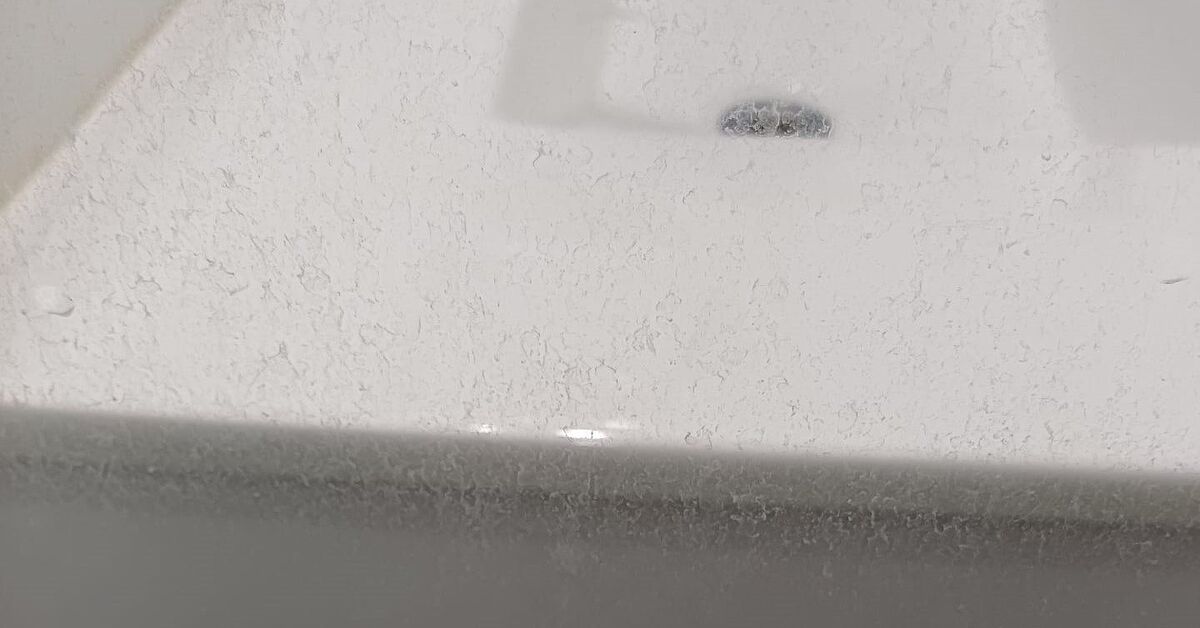
There are household chores that feel mildly annoying, and then there is the glass shower door: a transparent wall that somehow records every drop of water, every swipe of soap, and every life decision you made while rushing through your morning routine. If your shower door looks cloudy, chalky, or permanently fogged even after scrubbing, you are probably dealing with hard water stains and soap scum. The good news? You do not need a hazmat suit, a luxury cleaning spray, or the arm strength of a professional rock climber. You may only need white vinegar, plastic wrap, a little patience, and a dramatic belief that this time the bathroom will sparkle.
This guide explains how to clean a shower door with plastic wrap and vinegar, why the method works, when to use it, when not to use it, and how to keep your glass from turning back into a cloudy mystery panel by next Tuesday. The plastic wrap trick is especially helpful because it keeps vinegar in direct contact with the stains instead of letting it slide down the glass like a tiny acidic waterfall.
Why Vinegar Works on Shower Door Stains
Most cloudy shower door stains come from two stubborn bathroom villains: hard water minerals and soap scum. Hard water contains minerals such as calcium and magnesium. When water droplets dry on glass, those minerals stay behind and form chalky deposits. Soap scum is a separate but equally annoying film created when soap residue, body oils, dirt, and hard water minerals combine into a sticky layer.
White vinegar is mildly acidic, which makes it useful for loosening mineral buildup. It helps break down the deposits so they can be wiped or scrubbed away. Vinegar is also inexpensive, widely available, and less harsh than many commercial cleaners. That does not mean it is magic. If your shower door has years of buildup, vinegar may need time, repeat applications, or help from a gentle abrasive like baking soda. But for many cloudy glass shower doors, vinegar is one of the best first moves.
Why Add Plastic Wrap?
Spraying vinegar on a vertical shower door is easy. Keeping it there is the problem. Gravity, because it has apparently chosen sides, pulls the vinegar down before it has enough contact time to dissolve mineral deposits. Plastic wrap solves that problem by holding moisture against the glass.
Think of plastic wrap as a clingy little blanket for your cleaning solution. It traps vinegar on the stained areas, slows evaporation, reduces dripping, and gives the acid more time to work. This is especially useful for stubborn hard water stains near the bottom of the door, around handles, or along the side where water repeatedly runs down.
What You Need
- Distilled white vinegar
- Plastic wrap
- Spray bottle
- Warm water
- Microfiber cloths
- Non-scratch sponge
- Squeegee
- Rubber gloves
- Optional: a few drops of dish soap
- Optional: baking soda for extra-stubborn spots
Use distilled white vinegar rather than apple cider vinegar. Apple cider vinegar may work in a pinch, but it has color, scent, and residue that make it less ideal for glass. Cleaning vinegar can also be used, but because it is stronger than standard household vinegar, test it first and use extra care around metal finishes, stone, and grout.
Before You Start: Safety and Surface Checks
Vinegar is useful, but it is not safe for every surface. Do not use vinegar on natural stone such as marble, travertine, limestone, or some unsealed stone tiles. Acid can etch or dull stone. If your shower has stone surrounds, protect them from overspray and runoff. Vinegar can also affect certain metal finishes if left on too long, so avoid soaking handles, hinges, and frames for extended periods.
Never mix vinegar with bleach, ammonia, hydrogen peroxide, or random mystery cleaners hiding under your sink like retired science experiments. Mixing cleaners can create dangerous fumes. Ventilate the bathroom, wear gloves, and keep the process simple: vinegar, water, maybe dish soap, and plenty of rinsing.
Step-by-Step: How to Clean a Shower Door With Plastic Wrap and Vinegar
Step 1: Rinse and Remove Loose Dirt
Start by rinsing the shower door with warm water. This removes loose shampoo residue, dust, and surface grime. Wipe the glass lightly with a damp microfiber cloth. You do not need to deep-clean yet; you are simply clearing the way so the vinegar can reach the mineral deposits and soap scum underneath.
Step 2: Mix Your Vinegar Solution
For regular buildup, mix equal parts distilled white vinegar and warm water in a spray bottle. For heavier hard water stains, use warm undiluted vinegar. You can heat the vinegar slightly so it is warm, not boiling. Warm vinegar tends to work faster on mineral buildup. If soap scum is the bigger issue, add a few drops of grease-cutting dish soap to the vinegar solution. Dish soap helps loosen body oils and residue while vinegar handles the mineral film.
Step 3: Spray the Shower Door Generously
Spray the glass from top to bottom, focusing on cloudy areas, water spots, and the lower half of the door where buildup usually gathers. Do not be shy. This is not the moment for a delicate misting, like watering a nervous orchid. The glass should be visibly wet.
Step 4: Press Plastic Wrap Over the Wet Glass
Tear off sheets of plastic wrap and press them directly onto the wet shower door. The vinegar should help the wrap cling to the glass. Smooth it gently with your hand so it touches the stained areas. If the wrap slips, spray a little more vinegar and press again. For large doors, work in sections rather than trying to cover the whole door with one heroic, wrinkled sheet.
Step 5: Let It Sit
Let the vinegar and plastic wrap sit for 20 to 45 minutes. For severe hard water stains, you may need up to an hour. Do not leave vinegar sitting overnight on framed doors, metal hardware, or near stone surfaces. The goal is contact time, not a bathroom chemistry residency.
Step 6: Remove the Plastic Wrap and Wipe
Peel off the plastic wrap and discard it. Wipe the door with a damp microfiber cloth or non-scratch sponge. You should feel the surface becoming smoother as the mineral deposits loosen. If the glass still feels rough, spray it again and let it sit a little longer.
Step 7: Scrub Stubborn Spots Gently
For remaining spots, sprinkle baking soda onto a damp sponge and gently scrub the stained areas. Baking soda acts as a mild abrasive, helping lift residue without scratching most glass when used carefully. Do not attack the door like you are sanding a deck. Use light pressure and circular motions. If you hear gritty scraping, stop and rinse.
Step 8: Rinse Thoroughly
Rinse the entire shower door with warm water. This step matters because leftover vinegar or soap can dry into streaks. Pay special attention to the bottom track, edges, and around handles. If your shower has a removable handheld showerhead, this part is wonderfully satisfying. If not, use a clean wet cloth and repeat until the glass feels clean.
Step 9: Dry With a Microfiber Cloth or Squeegee
Dry the glass immediately with a squeegee, then buff with a microfiber cloth. This prevents fresh water spots from forming right after you did all that work. Nothing is more disrespectful than a newly cleaned shower door developing spots while you are still standing there with gloves on.
Plastic Wrap vs. Paper Towels: Which Is Better?
Some people soak paper towels in vinegar and stick them to the glass. That method can work well, especially on small vertical sections. Plastic wrap, however, has two advantages: it reduces evaporation and does not absorb the vinegar away from the glass. The best approach for very stubborn stains is often a combination. Spray vinegar, apply vinegar-soaked paper towels to the worst spots, then cover those towels with plastic wrap. This creates a mini poultice that keeps the surface wet longer.
Use paper towels sparingly if you want a lower-waste routine. Microfiber cloths can also be soaked in vinegar and held in place with plastic wrap, though they may be heavier and harder to keep on the glass.
Common Mistakes to Avoid
Leaving Vinegar on Metal Too Long
Glass can usually handle vinegar well, but hardware may not appreciate a long acidic soak. Avoid wrapping hinges, chrome trim, brushed nickel, brass, or black metal finishes. Spray around them carefully and rinse quickly if vinegar touches them.
Using Abrasive Pads
Steel wool, harsh scouring pads, and gritty powders can scratch glass or damage protective coatings. Use non-scratch sponges, microfiber cloths, or soft brushes.
Skipping the Final Dry
If you rinse and walk away, minerals in the rinse water can dry on the glass again. Drying is not optional; it is the victory lap.
Using Vinegar on Stone Showers
If your shower door sits above marble or natural stone, be extra cautious. Acidic cleaners can etch stone surfaces. Use a pH-neutral cleaner for stone areas and keep vinegar limited to the glass.
How Often Should You Clean a Shower Door With Vinegar?
For most homes, a vinegar cleaning once a week or every two weeks keeps glass shower doors clear. If you live in a hard water area, you may need weekly maintenance. If your water is soft and you squeegee after every shower, a deeper vinegar treatment once a month may be enough.
The plastic wrap method is best used as a deep-cleaning technique, not as your daily routine. Use it when stains look cloudy, rough, or stubborn. For everyday maintenance, a quick squeegee and a light vinegar-water spray are much easier.
How to Keep Your Shower Door Clean Longer
The best way to clean a shower door is to prevent buildup from becoming a full-time roommate. After each shower, use a squeegee to remove water from the glass. It takes less than a minute and dramatically reduces water spots. Keep a microfiber cloth nearby to wipe handles and lower corners where droplets collect.
Switching from bar soap to body wash may also reduce soap scum, because traditional bar soaps often react more with hard water minerals. Improving bathroom ventilation helps too. Run the fan during and after showers to reduce humidity and slow mildew growth. If hard water is a major problem throughout your home, a water softener or shower filter may reduce mineral deposits over time.
What If Vinegar Does Not Remove the Stains?
If vinegar does not work after several tries, one of three things may be happening. First, the buildup may be too thick and need repeated treatments. Second, the stains may be a mix of minerals, soap scum, and etched glass. Third, the glass may have permanent damage from long-term mineral exposure.
Try a baking soda paste after the vinegar soak. Apply it gently, scrub lightly, rinse well, and dry. You can also use a cleaner specifically labeled for glass shower doors and hard water stains. Follow label directions carefully, and avoid combining it with vinegar. If the glass still looks cloudy after cleaning, it may be etched. Etching is not dirt; it is surface damage. Cleaning can improve the look, but it may not restore perfect clarity.
Best Vinegar Cleaning Recipe for Shower Doors
For a reliable homemade shower door cleaner, use this simple recipe:
- 1 cup distilled white vinegar
- 1 cup warm water
- 1 teaspoon dish soap for soap scum-heavy doors
Spray the solution on the glass, cover with plastic wrap, wait 20 to 45 minutes, remove the wrap, scrub gently, rinse, and dry. For heavy hard water stains, use warm undiluted vinegar and skip the water. If you add dish soap, rinse extra well to avoid streaks.
Experience Notes: What It Is Really Like to Clean a Shower Door With Plastic Wrap and Vinegar
The first time you try the plastic wrap and vinegar method, it may look slightly ridiculous. There you are, standing in the bathroom, pressing plastic wrap onto a shower door like you are preparing leftovers for a very transparent casserole. But after a few minutes, the method starts making sense. The vinegar does not immediately run down the glass. The plastic wrap holds it in place, especially on those cloudy patches that usually laugh at quick sprays and half-hearted wiping.
In real-life cleaning, the biggest difference is patience. A quick vinegar spray can freshen glass that is only mildly spotted, but it rarely defeats old hard water stains. The plastic wrap method gives vinegar time to do the boring chemical work while you do something more exciting, such as folding towels or questioning why every bathroom bottle has only one inch of product left. When you return after 30 minutes, the glass often feels less gritty under the cloth. That smoothness is the satisfying part. It tells you the mineral layer has loosened.
One useful experience is to work from the worst section first. Most shower doors have a “disaster zone,” usually near the bottom edge, near the handle, or where the shower spray hits directly. Instead of covering the whole door at once, treat that area first. Spray warm vinegar generously, press on the plastic wrap, and let it sit. If the worst area improves, you know the method is worth using on the rest of the door. This saves time and prevents wasting effort on areas that only need a quick wipe.
Another lesson: drying matters more than people think. Many shower doors look great while wet, then dry into a tragic constellation of spots. After rinsing, use a squeegee slowly from top to bottom. Then buff the edges and corners with a dry microfiber cloth. The final wipe is what turns “clean enough” into “I might invite guests to admire this glass.” It also prevents the rinse water from undoing your work.
If you have heavy soap scum, adding a small amount of dish soap to the vinegar solution can make the job easier. Vinegar targets minerals, while dish soap helps with oily residue. But do not overdo the soap. Too much creates foam, streaks, and more rinsing. A teaspoon is enough for a spray bottle. More soap does not mean more clean; it often means more slippery drama.
The method also teaches you how fast buildup returns. If your shower door becomes cloudy again within days, your water is probably quite hard or the glass is staying wet too long. That is not a personal failure. It just means maintenance is the real secret. Keep a squeegee in the shower and use it after every wash. Spray a light vinegar-water mix once or twice a week. Deep clean with plastic wrap only when the stains start getting stubborn again.
Finally, do not chase perfection forever. Some old shower doors have etching that no vinegar method can erase completely. If the glass is permanently damaged, cleaning will still make it brighter and smoother, but it may not look brand-new. That is okay. A clean shower door does not need to look like a hotel advertisement. It just needs to stop looking like it is hiding behind a weather forecast.
Conclusion
Cleaning a shower door with plastic wrap and vinegar is simple, affordable, and surprisingly effective for hard water stains and soap scum. Vinegar helps loosen mineral buildup, while plastic wrap keeps the solution in place long enough to work. The process is easy: spray, cover, wait, wipe, rinse, and dry. Add gentle baking soda scrubbing for stubborn spots, but avoid harsh abrasives and risky chemical mixes.
The real secret is not only deep cleaning; it is maintenance. Squeegee the glass after showers, dry the corners, ventilate the bathroom, and use a light vinegar spray regularly. Do that, and your shower door can stay clear without requiring a monthly wrestling match. Your bathroom may not clean itself, sadly, but with vinegar and plastic wrap, at least it stops acting like the shower door is protected by ancient mineral armor.
Note: Always test vinegar on a small hidden area first, protect natural stone and delicate metal finishes, and never mix vinegar with bleach, ammonia, hydrogen peroxide, or other cleaning products.











