
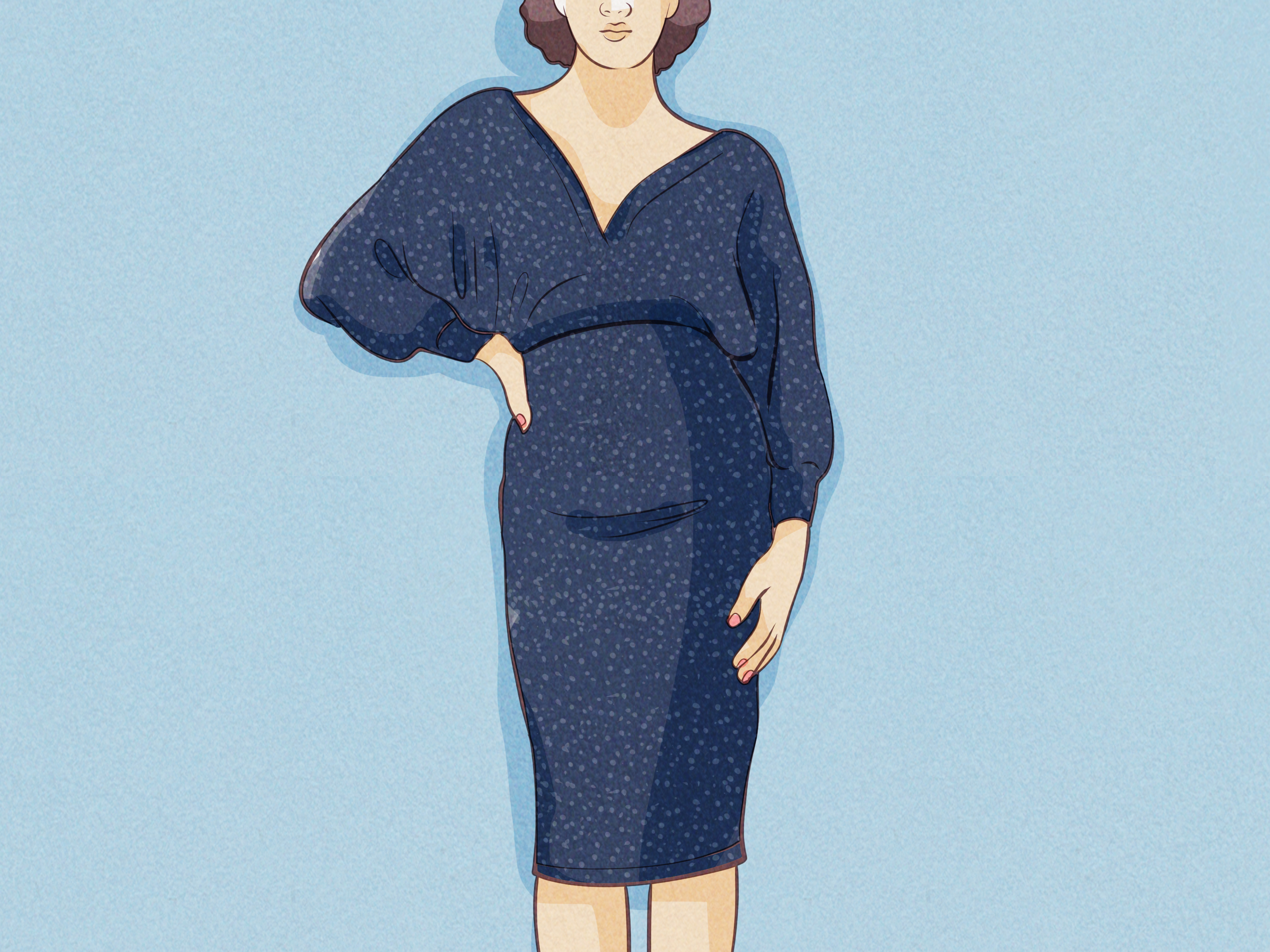
Dressing more feminine does not require replacing your entire closet with pink dresses, pearl necklaces, and shoes that make walking across a parking lot feel like an Olympic event. Feminine style can be romantic, minimalist, sporty, dramatic, professional, vintage-inspired, or wonderfully difficult to categorize.
The secret is not following a rigid list of “ladylike” rules. It is choosing colors, shapes, fabrics, and details that create the softer or more polished appearance you want while still fitting your personality and daily routine. A woman who loves tailored trousers may feel just as feminine as someone who lives in floral midi dresses.
If you are wondering how to dress more feminine without looking uncomfortable, overdressed, or like you borrowed a costume, start with small adjustments. Better fit, thoughtful accessories, gentle textures, and balanced proportions can transform even the simplest outfit.
What Does Feminine Style Really Mean?
Traditionally, feminine clothing has been associated with graceful silhouettes, softer fabrics, decorative details, and designs that highlight or suggest the natural shape of the body. However, modern feminine fashion is much broader than that definition.
A feminine outfit might include a flowing skirt and delicate blouse, but it could also consist of straight-leg jeans, a fitted knit top, ballet flats, and gold earrings. Femininity comes from the overall impression created by the outfit rather than one required garment.
Before changing your wardrobe, choose three words that describe your preferred version of feminine style. Examples include:
- Elegant, simple, and polished
- Romantic, soft, and vintage-inspired
- Modern, confident, and sophisticated
- Relaxed, natural, and graceful
- Playful, colorful, and creative
These words act as a personal filter. A ruffled blouse might suit a romantic wardrobe, while a sleek wrap top may work better for someone who prefers modern elegance.
How to Dress More Feminine Without Changing Everything
1. Begin With Clothes That Fit Properly
Fit has more influence on an outfit than price, brand, or trendiness. A modestly priced dress that fits beautifully will usually look more polished than an expensive garment that pulls, sags, or needs constant adjustment.
Look for clothing that follows your shape without squeezing it. Shoulder seams should sit near your natural shoulders, waistbands should remain comfortable when you sit, and sleeves should end at an intentional point rather than somewhere near your knuckles.
Do not be afraid to visit a tailor. Shortening sleeves, adjusting a waist, changing a neckline, or hemming pants can make an ordinary garment look custom-made. Tailoring is particularly helpful when different parts of your body require different sizes.
2. Create Gentle Waist Definition
Defining the waist is one of the easiest ways to give an outfit a more traditionally feminine silhouette. This does not mean every garment needs to be tight. The goal is simply to create visual shape.
Try a wrap dress, belted cardigan, fit-and-flare dress, high-waisted trousers, or blouse tucked loosely into a skirt. A narrow belt worn over a dress or blazer can also add definition.
If fitted clothing makes you uncomfortable, choose a garment that skims the waist rather than hugging it. A softly tailored jacket or dress with curved seams can provide shape without feeling restrictive.
3. Explore Feminine Necklines
Necklines subtly change the mood of an outfit. Scoop, square, sweetheart, boat, wrap, and modest V-neck styles often appear softer than a high, heavy crew neck.
A square neckline works beautifully with a structured dress or fitted knit. A boatneck can highlight the collarbone while remaining elegant and work appropriate. A wrap neckline adds diagonal movement and can be adjusted more easily than many fixed designs.
The most flattering neckline is the one that makes you feel comfortable and balanced. There is no requirement to reveal more skin. Even a high-neck blouse can look feminine when it includes gathering, a bow, lace trim, or graceful sleeves.
4. Add Dresses and Skirts Gradually
Dresses and skirts are obvious tools for creating feminine outfits, but they do not need to become your daily uniform. Start with one versatile silhouette that works with your existing shoes and jackets.
An A-line midi skirt is easy to pair with fitted T-shirts, sweaters, button-down shirts, and tanks. A wrap dress can work for the office, dinner, or weekend errands depending on the shoes. A simple knit dress offers the ease of pajamas while convincing everyone that you planned ahead.
Consider movement as well as appearance. Pleats, soft draping, bias-cut fabrics, and fuller hems create graceful motion when you walk. If you prefer less volume, choose a straight midi or pencil skirt and balance it with a softer blouse.
5. Make Pants Look More Feminine
You do not need to abandon jeans or trousers. The styling around them can completely change their character.
Pair straight-leg jeans with a fitted cardigan, pointed flats, a structured handbag, and small earrings. Wear wide-leg trousers with a tucked satin blouse or fine-knit sweater. Add a belt to high-waisted pants to emphasize the waist and make the outfit appear more intentional.
Even utility pants can work. Combine them with a delicate camisole, soft blouse, ballet flats, or a cropped jacket. The contrast between practical clothing and refined details often looks more modern than an outfit composed entirely of traditionally feminine pieces.
6. Choose Softer and More Fluid Fabrics
Fabric affects how clothing hangs, moves, and reflects light. Materials such as silk, satin, chiffon, lace, fine cotton, linen blends, velvet, and soft knitwear can bring dimension to a simple outfit.
You do not need to cover yourself in lace like an antique tablecloth. One soft element is often enough. Consider a satin skirt with a cotton T-shirt, a lace-trim camisole beneath a blazer, or a lightweight cardigan over denim.
Texture also prevents neutral outfits from looking flat. An ivory ribbed sweater, cream satin skirt, and beige suede shoes may belong to the same color family, but the different surfaces make the combination interesting.
7. Experiment With Color
Pastels are commonly associated with feminine fashion, but they are not mandatory. Blush pink, lavender, pale blue, butter yellow, and mint can soften an outfit, while berry, burgundy, emerald, navy, and deep plum create a richer form of femininity.
Choose colors that complement your complexion and make you feel energetic. A person who looks radiant in red does not need to force herself into pale pink simply because the internet declared it feminine.
For an easy starting point, build an outfit around a neutral base and introduce one softer accent. Try dark jeans, a white blouse, and a rose-colored cardigan, or black trousers with a lavender knit top.
8. Use Prints With Intention
Florals, polka dots, paisley, gingham, and delicate abstract prints can make an outfit feel playful or romantic. The size and contrast of the pattern matter as much as the subject.
Small, closely spaced prints tend to look subtle. Large blooms or high-contrast dots make a stronger statement. If you are new to prints, begin with a scarf, blouse, or skirt and keep the rest of the outfit simple.
A floral dress can be styled with sneakers and a denim jacket for daytime or with sandals and delicate jewelry for dinner. The same garment can have several personalities, which is excellent news for both your creativity and your bank account.
9. Balance Structured and Soft Pieces
An outfit can become overly sweet when every item includes ruffles, bows, lace, and pastel flowers. Balance creates sophistication.
Pair a romantic blouse with tailored trousers. Wear a flowing skirt with a crisp fitted shirt. Combine a slip dress with a structured blazer. Add a leather jacket to a floral dress or a delicate necklace to a strong monochromatic suit.
This mixture keeps feminine style from feeling like a costume. It also allows you to incorporate softer elements into workwear, casual clothing, and wardrobes that lean minimalist or edgy.
10. Pay Attention to Proportion
When an outfit feels wrong but you cannot identify why, proportion is often the culprit. Wearing every piece oversized can hide your shape, while combining several tight items may feel uncomfortable or overly revealing.
Try pairing a fitted top with wide-leg pants, a loose blouse with a slimmer skirt, or an oversized cardigan with a defined waist underneath. If a dress is voluminous, simpler shoes and accessories may keep it balanced.
Take a quick mirror photo when testing an outfit. Photographs make proportion issues surprisingly obvious. They also prevent the classic wardrobe mystery in which an outfit looked perfect in the bedroom but developed strange ideas after leaving the house.
11. Replace Heavy Shoes With Refined Alternatives
Shoes have a powerful effect on the tone of an outfit. Ballet flats, loafers with a slim profile, pointed-toe flats, Mary Janes, ankle-strap sandals, sleek boots, and kitten heels can make casual clothing appear more refined.
Comfort should remain a priority. A painful heel does not make you more feminine; it makes you a person urgently searching for somewhere to sit.
Choose manageable heel heights, cushioned soles, and secure straps. Sneakers can also work beautifully with feminine clothes. A clean, low-profile sneaker paired with a midi dress creates a relaxed and practical contrast.
12. Use Accessories as the Finishing Layer
Accessories provide the quickest feminine style update because they work with clothing you already own. Try small hoops, pearl studs, a pendant necklace, a silk scarf, a slim watch, a structured handbag, or a narrow belt.
Hair accessories such as simple clips, headbands, ribbons, or decorative pins can add interest without requiring a complicated hairstyle. Avoid wearing every accessory at once. Choose one or two focal points and allow the rest of the outfit to remain quiet.
For example, a white T-shirt and jeans can be transformed with ballet flats, gold earrings, a leather belt, and a polished shoulder bag. The clothing remains basic, but the finished result feels deliberate.
13. Improve the Foundation of Your Outfit
Undergarments influence the fit of everything worn over them. A correctly fitted bra can change how a blouse, knit top, or dress sits on the body. Seamless underwear or a simple slip can reduce visible lines under lighter fabrics.
Shapewear is optional, not a requirement for feminine dressing. Use it only when it improves your comfort or helps a particular garment hang smoothly. Clothing should fit your body; your body should not have to negotiate a peace treaty with the clothing.
14. Add Polished Grooming Details
Feminine style is not limited to clothes. Clean shoes, wrinkle-free garments, tidy hair, moisturized skin, and cared-for nails can make an outfit feel complete.
This does not require a full face of makeup or an elaborate beauty routine. A tinted lip balm, brushed eyebrows, light fragrance, or neat ponytail may be enough. Choose grooming habits that are realistic for your schedule.
Garment care matters too. Remove loose threads, replace missing buttons, steam wrinkled fabric, and polish scuffed shoes. These tiny improvements frequently create more impact than buying another trendy top.
15. Build Easy Feminine Outfit Formulas
Reliable formulas reduce decision fatigue and help you dress faster. Save several combinations that can be repeated with different colors and textures.
- Casual: Straight-leg jeans, fitted knit top, cardigan, ballet flats, and a shoulder bag.
- Office: High-waisted trousers, satin blouse, tailored blazer, loafers, and small earrings.
- Weekend: Midi skirt, tucked T-shirt, denim jacket, clean sneakers, and a crossbody bag.
- Date night: Wrap dress, ankle-strap shoes, pendant necklace, and a compact handbag.
- Cold weather: Knit dress, belted wool coat, tights, sleek boots, and a soft scarf.
- Warm weather: Linen shorts, square-neck top, flat sandals, hoop earrings, and a woven bag.
Photograph successful outfits and save them in a folder on your phone. On rushed mornings, this becomes your personal style menu.
Common Mistakes to Avoid
Trying to Look Like Someone Else
Inspiration is useful, but copying an influencer from head to toe may create a wardrobe that suits her life rather than yours. Consider your workplace, climate, transportation, budget, and preferred level of maintenance.
Buying Too Much Too Quickly
A new style direction can be exciting, but buying an entire wardrobe before testing it often leads to regret. Add one category at a time. Begin with accessories, then try a skirt, dress, blouse, or refined pair of shoes.
Ignoring Comfort
An outfit cannot help you feel confident if you are constantly pulling down the hem, adjusting the neckline, or developing a personal feud with your shoes. Sit, walk, reach, and bend when trying on clothes.
Assuming Feminine Means Fragile
Feminine fashion can be bold, authoritative, practical, and powerful. A red pantsuit, sculptural dress, black lace blouse, or sharply tailored coat can feel feminine without being delicate.
A Practical Four-Week Feminine Style Experience
A useful way to apply these ideas is through a four-week wardrobe experiment. This gradual approach helps you discover what feels authentic before spending heavily or making dramatic changes.
Week One: Observe Before Shopping
During the first week, wear your usual clothes and pay attention to the outfits that make you feel most confident. Take mirror photos and note recurring features. Perhaps you consistently prefer fitted shoulders, open necklines, high-waisted pants, or softer colors.
Create a small inspiration board containing outfits you would realistically wear. Avoid collecting only red-carpet gowns or vacation dresses if your typical Tuesday involves an office, grocery store, and an argument with a printer.
By the end of the week, select three style words and identify five items already in your closet that support them.
Week Two: Style Existing Clothes Differently
In the second week, focus on styling rather than shopping. Tuck a blouse into high-waisted jeans, belt a loose dress, roll jacket sleeves to reveal the wrists, or replace athletic shoes with flats.
Add simple jewelry and carry a more structured bag. Try wearing a sweater over a dress so the dress appears to be a skirt, or place a blazer over a satin camisole. These experiments reveal how much can change without purchasing anything.
This is often the week when people realize that their closet was not hopeless; it was merely waiting for better instructions.
Week Three: Add One or Two Strategic Pieces
After identifying genuine gaps, add one or two versatile items. A midi skirt, fitted cardigan, wrap dress, elegant flat, or soft blouse can create several new combinations.
Before buying, imagine at least three outfits using pieces you already own. If the item works with only one imaginary event at a villa in Tuscany, reconsider. A useful garment should participate in your actual life.
Wear each new piece immediately rather than saving it for a perfect occasion. Notice how it moves, whether it requires special undergarments, and how easily it coordinates with your wardrobe.
Week Four: Refine Your Personal Formula
During the final week, review your photos and identify the combinations you enjoyed most. You might discover that your preferred feminine style involves trousers rather than dresses, dark colors rather than pastels, or minimalist jewelry rather than decorative accessories.
Build two casual formulas, one professional formula, and one dressier formula. Write them down or save photos. This creates a reliable system that can evolve over time.
The most important lesson from the experiment is that dressing more feminine is not about performing a role. It is about becoming more intentional. Small details such as fit, texture, movement, color, and grooming often matter more than buying obviously “feminine” garments.
You may also notice an increase in confidence, not because a particular skirt possesses magical powers, but because your external presentation feels more aligned with your preferences. That sense of alignment is the real goal. The best outfit is not the one that follows every traditional rule; it is the one that allows you to move through the day without repeatedly wondering whether you look like yourself.
Conclusion
Learning how to dress more feminine begins with defining femininity on your own terms. You might enjoy flowing dresses and floral prints, or you may prefer tailored pants softened with delicate jewelry and graceful shoes. Both approaches are valid.
Start with fit, waist definition, flattering proportions, and fabrics that move well. Introduce color, prints, accessories, and polished grooming details gradually. Most importantly, keep the elements that make you feel comfortable and remove the ones that feel forced.
A feminine wardrobe does not have to be expensive, complicated, or filled with impractical clothing. With a few reliable outfit formulas and carefully chosen details, you can create a style that looks elegant, personal, and completely natural on you.
Note: Feminine style is a personal form of expression, not a requirement or a standard that anyone must follow. It has no mandatory body type, age, gender expression, color palette, or price tag.












