
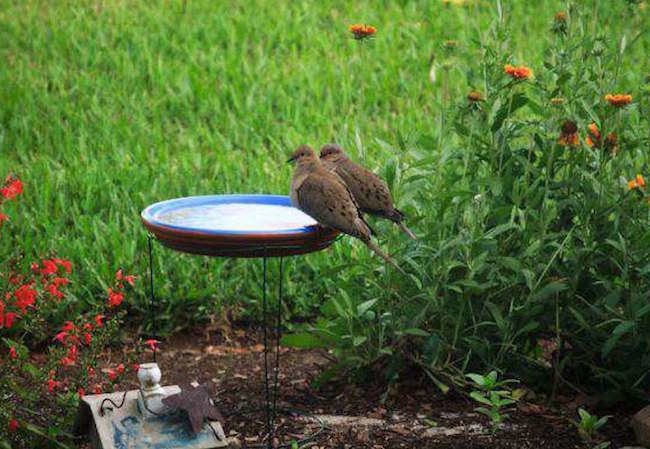
A backyard without birds is like a morning without coffee: technically possible, but why would anyone choose it? A DIY birdbath is one of the simplest ways to bring movement, music, and a little feathered drama into your outdoor space. You do not need a landscaping crew, a marble fountain, or a budget that makes your wallet hide under the couch. In many cases, a shallow dish, a stable base, clean water, and a smart location are enough to turn your garden into the neighborhood splash pad.
The best birdbath ideas balance style with safety. Birds prefer shallow water, steady footing, and quick access to nearby shrubs or trees where they can escape if a predator wanders by with suspicious whiskers. A birdbath should also be easy to clean because dirty water is not a spa day; it is a tiny swamp with bad reviews. Whether you love rustic garden decor, modern minimalism, upcycled treasures, or projects that cost less than lunch, these 14 DIY birdbath approaches can help you build a beautiful, bird-friendly water feature.
Why Build a DIY Birdbath?
Birds need water for drinking and bathing, especially during hot weather, dry spells, and freezing seasons when natural sources can be limited. A clean backyard birdbath can attract species that may never bother with feeders. Robins, wrens, cardinals, finches, chickadees, and even shy visitors often investigate a reliable water source before they trust a seed buffet.
DIY birdbaths also let you control the design. Many store-bought birdbaths look charming but are too deep, slippery, or difficult to clean. When you make your own, you can create a shallow basin, add stones for grip, choose a stable height, and match the look to your garden. In other words, the birds get a safe watering hole, and you get bragging rights at the next backyard barbecue.
Birdbath Basics Before You Start
Keep the water shallow
Most backyard birds are not looking for an Olympic diving pool. Aim for about 1 to 2 inches of water, with the edges shallower than the center. If your basin is deeper, add flat stones or clean pebbles so small birds can stand comfortably.
Choose a grippy surface
Birds need traction. Rough ceramic, unglazed terra-cotta, concrete, stone, textured plastic, and pebbled surfaces work better than slick glass or polished metal. If a dish looks like it belongs under a fancy candle, test whether it becomes slippery when wet before offering it to your avian guests.
Put it in the right spot
Place your DIY birdbath where birds can see danger coming but still reach cover quickly. A spot near shrubs or small trees is helpful, but avoid hiding it so deeply that cats or other predators can sneak up. Partial shade keeps water cooler and slows algae growth.
Make cleaning easy
A birdbath that requires a wrestling match to clean will soon become garden sculpture instead of bird habitat. Choose a basin you can lift, dump, scrub, rinse, and refill regularly. Fresh water is the secret ingredient birds actually care about.
14 Approaches to a DIY Birdbath
1. The Terra-Cotta Pot Birdbath
This classic DIY birdbath uses stacked clay pots as the base and a terra-cotta saucer as the bowl. It is affordable, cheerful, and easy to customize with outdoor-safe paint. Turn one pot upside down, stack another on top, secure the pieces with waterproof adhesive, and add a wide saucer. The result looks like it belongs in a sunny herb garden, especially if you paint it in soft earth tones or playful patterns.
For bird safety, avoid filling the saucer too deeply. Add a few smooth stones for perching and traction. Terra-cotta can crack in freezing conditions, so move it indoors during harsh winter weather or choose glazed ceramic or weather-resistant plastic in colder regions.
2. The Plant Saucer on a Stump
If your yard has an old tree stump, congratulations: nature already built the pedestal. Set a wide plant saucer, shallow ceramic bowl, or stone dish on top, then level it carefully. This approach blends into woodland gardens and cottage-style landscapes. It also gives birds a natural-looking landing area.
The key is stability. A wobbly basin will scare birds away and may spill every time a squirrel holds a team meeting nearby. Use exterior adhesive, hidden screws, or a recessed cut in the stump to keep the dish in place.
3. The Salvaged Sink Birdbath
An old wall-mounted sink can become a quirky and memorable birdbath. Vintage porcelain sinks already have a basin, a rim, and plenty of character. Mount the sink securely on a fence, post, or sturdy frame, then seal or plug the drain so it holds shallow water.
This idea works especially well in eclectic gardens where “slightly weird but wonderful” is the design language. Add stones inside the basin to reduce depth, and make sure any old plumbing residue or paint is thoroughly cleaned away before birds use it.
4. The Stacked Stone Birdbath
For a natural look, stack flat stones or pavers into a sturdy column and top them with a shallow stone or concrete basin. This DIY birdbath feels timeless, almost like the birds discovered an ancient spa built by tiny garden monks.
Choose broad, flat stones that sit securely. Avoid tall, narrow stacks unless you enjoy rebuilding your project after every windy afternoon. A low, heavy birdbath is usually safer and easier for ground-feeding birds to approach.
5. The Hanging Birdbath
A hanging birdbath is ideal for small yards, patios, balconies, and gardens where ground space is precious. Use a shallow metal, ceramic, or plastic dish suspended with chain, macrame cord, or weather-resistant rope. Hang it from a strong branch, shepherd’s hook, pergola, or porch beam.
Keep the bowl shallow and balanced. If it swings like a carnival ride, birds may admire it from a distance and file a formal complaint. Add a few pebbles to weigh it down and give birds secure footing.
6. The Trash-to-Treasure Lamp Base Birdbath
An old lamp base can become a stylish pedestal for a birdbath. Remove wiring, clean the base thoroughly, seal openings, and attach a shallow bowl or saucer on top. This project is perfect for anyone who enjoys thrift-store hunting and saying, “I can make something out of that,” which is both a hobby and a personality trait.
Use outdoor-safe sealant and paint, and avoid materials that may rust, flake, or leach into the water. The basin should be removable if possible, making cleaning much easier.
7. The Tomato Cage Birdbath
For a fast, budget-friendly design, flip a tomato cage upside down, secure the legs into the ground, and place a shallow saucer in the top ring. This approach is lightweight, simple, and surprisingly charming when surrounded by flowers or herbs.
Because tomato cages can be flimsy, anchor them well. Push the legs deep into the soil or secure them in a planter filled with gravel. A lightweight plastic saucer is safer than a heavy ceramic bowl for this design.
8. The Mosaic Birdbath
A mosaic birdbath turns broken tiles, glass gems, or ceramic pieces into garden art. Start with a sturdy basin, apply outdoor-rated adhesive, arrange your mosaic pieces, and fill gaps with waterproof grout. The finished project can be colorful, elegant, whimsical, or full “I have discovered my inner artist and nobody can stop me.”
Keep the inside surface comfortable for birds. Avoid sharp edges, slick pieces, or uneven chunks where small feet could get hurt. A mosaic rim with a smoother, textured basin is often better than covering the entire bathing area.
9. The Concrete Bowl Birdbath
Concrete is durable, heavy, and naturally textured. You can cast your own shallow bowl using two nesting containers as molds. Pour concrete into the larger mold, press the smaller mold into the center, let it cure, and remove both forms. Sand rough edges and rinse the bowl thoroughly before use.
This is a strong choice for windy areas because it will not blow across the yard like a plastic lawn chair in a thunderstorm. However, concrete can crack in freeze-thaw cycles, so consider winter storage or a weatherproofing plan.
10. The Large Leaf Birdbath
A leaf-cast birdbath is one of the prettiest DIY garden projects. Use a large leaf, such as rhubarb, hosta, or elephant ear, as a mold for concrete. The finished basin captures the veins and shape of the leaf, creating a natural-looking water dish.
Make the depression shallow, not bowl-deep. Birds need a gentle slope and secure footing. Place the leaf basin on the ground, a low stone base, or a sturdy pedestal. It looks especially lovely near native plants.
11. The Solar Fountain Birdbath
Moving water catches birds’ attention. A small solar fountain, bubbler, or water wiggler can turn a simple basin into a lively backyard feature. The sound and sparkle help birds locate the water, and gentle movement may reduce mosquito activity by making the surface less inviting for eggs.
Choose a fountain that works in shallow water and does not spray everything out of the bowl by noon. A gentle bubble is better than a dramatic geyser unless your goal is to hydrate the patio furniture.
12. The Ground-Level Birdbath
In nature, many birds drink from puddles, stream edges, and shallow ground water. A ground-level birdbath copies that familiar setup. Use a wide plant saucer, shallow ceramic dish, or flat stone basin placed directly on gravel, mulch, or soil.
This design is easy for robins, sparrows, towhees, and other ground-feeding birds to use. Place it in an open area near shrubs, but not so close that predators can hide beside it. Add stones and keep the water fresh.
13. The Planter Birdbath Combo
A planter birdbath combines flowers below with water above. Use a large outdoor planter as the base, fill it with soil and bird-friendly plants, then place a sturdy saucer or basin on top. The greenery softens the design and makes the birdbath feel like part of the landscape.
Choose plants that tolerate occasional splashes. Native flowers and compact herbs can work beautifully. Just avoid using pesticides nearby because birds will drink and bathe in the water.
14. The Minimalist Bowl-and-Stand Birdbath
Sometimes the simplest design is the best. A shallow bowl on a sturdy plant stand, metal stool, or short pedestal can make an elegant DIY birdbath in minutes. This approach is perfect for renters, beginners, and anyone who believes power tools are just angry kitchen appliances.
Look for a wide, shallow basin with a matte or textured finish. Keep the stand low and stable. If needed, add a brick or stone inside the base area for weight, and place pebbles in the water for grip.
How to Make Birds Actually Use Your DIY Birdbath
Add stones for confidence
Flat stones help birds judge depth and provide safe standing spots. This is especially useful for small songbirds and young birds. Arrange stones so the water varies from barely wet at the edges to about 2 inches at the deepest point.
Use fresh water often
Fresh water is more attractive and healthier. In hot weather, refill daily if possible. If many birds visit, clean more often. A quick rinse can handle light debris, but algae and droppings need scrubbing.
Clean without harsh chemicals
A stiff brush and clean water usually do the job. For stubborn grime, a diluted white vinegar solution can help. Rinse thoroughly before refilling. Avoid strong cleaners, scented soaps, and anything that leaves residue.
Try gentle movement
A dripper, bubbler, or solar fountain can make a birdbath more noticeable. Birds often investigate the sound of moving water. Just keep the motion soft and the basin shallow.
Be patient
Birds are cautious. A new birdbath may sit unused for days or weeks before one brave robin decides it is not a trap. Once the first few birds visit, others often follow. Apparently, backyard birds also read reviews.
Common DIY Birdbath Mistakes to Avoid
Making the bath too deep
Deep water is one of the biggest reasons birds ignore a bath. They want to wade, not swim laps. If your design is deep, add stones or use less water.
Using slippery materials
Shiny glass, glazed interiors, and polished metal can be difficult for birds to grip. If you love a decorative bowl, add textured stones or a rough insert.
Placing it in full sun all day
Full sun warms water quickly and encourages algae. Partial shade keeps the bath more inviting, especially in summer.
Forgetting predator safety
Birds are vulnerable when bathing because wet feathers reduce quick escape. Place the bath where birds have visibility and nearby cover, but avoid dense hiding spots for cats.
Letting water sit too long
Stagnant water can attract mosquitoes and become unhealthy. Dump, rinse, and refill regularly. Your birdbath should be a refreshment station, not a science fair project.
Seasonal Tips for a Better Backyard Birdbath
Spring
Spring is a great time to install a DIY birdbath because birds are nesting, feeding young, and exploring territories. Keep water fresh and place the bath near blooming native plants for a complete habitat upgrade.
Summer
During hot weather, water evaporates quickly. Refill often and move the bath into partial shade if needed. A solar bubbler can help birds notice the water while adding cheerful movement.
Fall
Migrating birds may appreciate a reliable water source. Clean fallen leaves from the basin and keep the area tidy. Fall is also a good time to test whether your birdbath materials can handle colder weather.
Winter
In freezing climates, avoid fragile terra-cotta or glass basins outdoors. Use weather-resistant materials, empty delicate birdbaths before hard freezes, or consider a safe heated birdbath designed for outdoor use.
Real Backyard Experience: What DIY Birdbaths Teach You
The first lesson of building a DIY birdbath is that birds do not care how proud you are of your project. You may spend an entire Saturday stacking pots, leveling stones, and choosing the perfect saucer, only for the local birds to ignore it while drinking from a muddy tire track. Do not take it personally. Birds are cautious because being careless in the wild is a short career path.
One of the most useful experiences is discovering how much location matters. A birdbath placed in the middle of an exposed patio may look wonderful from the kitchen window, but birds might see it as a stage with no emergency exit. Move the same basin closer to shrubs, add a few stones, and suddenly it becomes the hottest club in the neighborhood. The bouncer is a chickadee.
Another lesson is that shallow water wins. Many beginners fill a basin the way they would fill a dog bowl. Birds usually prefer less. A saucer with half an inch at the edge and a slightly deeper center can attract more activity than a dramatic bowl that looks like a tiny lake. Adding stones is the fastest fix. It gives birds safe footing, creates different depths, and makes the bath look more natural.
Cleaning also becomes part of the routine. At first, it may feel like another chore, right next to weeding and pretending the garden hose does not kink every seven seconds. But once birds start visiting, cleaning the birdbath feels less like maintenance and more like hosting guests. You notice who arrives first, who splashes like a maniac, and who waits politely on a branch as if holding a towel.
DIY birdbaths also teach you that beauty and practicality need to shake hands. A delicate glass bowl might sparkle beautifully, but if it is slippery, deep, or fragile, it is better as decor than a birdbath. A plain plastic saucer with pebbles may not win an art contest, yet birds may love it. The sweet spot is a design that looks good, stays stable, cleans easily, and gives birds confidence.
Finally, the best experience is the first real birdbath party. One robin hops in, flicks water everywhere, and acts like it owns the place. Then a finch appears. Then a sparrow. Soon your simple DIY project becomes a daily show. You start refilling water before coffee. You check the basin after storms. You defend your birdbath from leaves like a tiny aquatic groundskeeper. That is the quiet magic of a DIY birdbath: it turns ordinary outdoor space into a living scene, one splash at a time.
Conclusion
A DIY birdbath does not need to be expensive or complicated. The best designs are shallow, stable, textured, easy to clean, and placed where birds feel safe. From terra-cotta pots and salvaged sinks to stump basins, mosaic bowls, solar fountains, and minimalist saucers, there are plenty of creative ways to invite birds into your yard. Start with what you have, keep the water fresh, and let the birds decide when your backyard grand opening begins.
Whether your style is rustic, colorful, modern, or proudly “I found this in the garage,” a homemade birdbath can add charm to your landscape while supporting local wildlife. Build it thoughtfully, maintain it regularly, and you may find that the smallest backyard upgrade brings the biggest daily joy.
Note: This original article synthesizes practical birdbath, backyard habitat, gardening, and DIY guidance from reputable U.S. home, wildlife, and garden resources. It contains no source-code citation artifacts or unnecessary publishing elements.











