
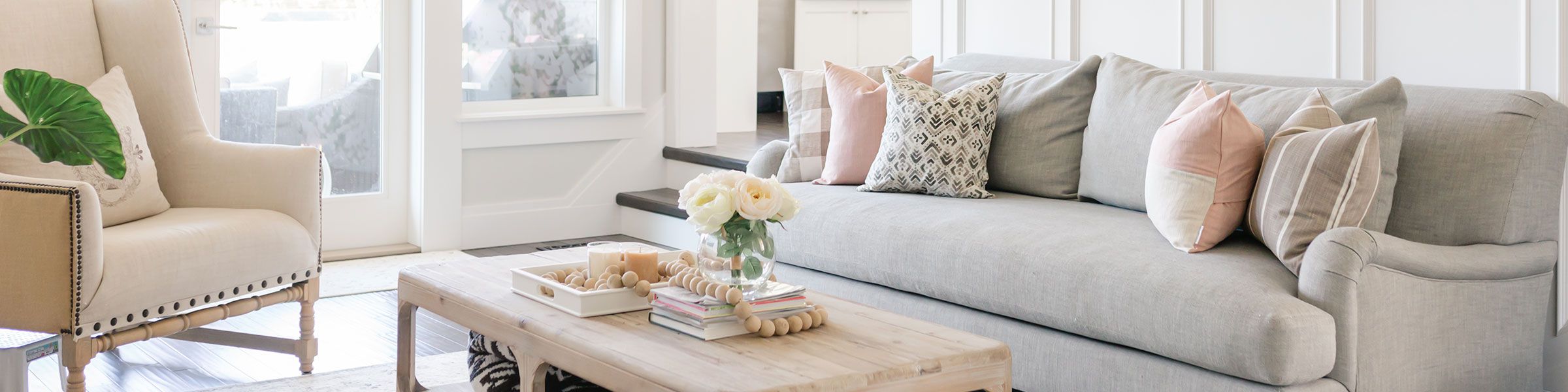
Walk into ten homes and you will probably see ten different personalities. One room whispers, “I drink espresso and alphabetize my books.” Another cheerfully yells, “I bought this lamp because it made me happy, and no one can stop me.” That, in a nutshell, is why decorating styles and themes matter. They help turn a house from a place where you keep your mail into a place that actually feels like you live there on purpose.
If you have ever stared at a blank room and wondered whether you are more modern, traditional, coastal, bohemian, or “whatever was on sale last weekend,” you are not alone. Decorating can feel like speed dating for furniture. The good news is that understanding a few major design styles makes the whole process much easier. Once you know the visual language of each style, you can choose what fits your taste, your architecture, and your everyday life.
What’s the Difference Between a Decorating Style and a Theme?
A decorating style is the overall design language of a space. It shapes the furniture lines, materials, color palette, balance, and mood. Think of styles like modern, traditional, transitional, Scandinavian, or farmhouse. These are broad categories that guide how a room looks and functions.
A theme, on the other hand, is more specific and story-driven. A theme might be coastal, vintage travel, Parisian, desert-inspired, cottage garden, or mountain lodge. Themes add atmosphere and personality. They are the accessories, patterns, artwork, and details that tell the room’s story.
Here is the simplest way to think about it: style is the grammar, theme is the accent. A room can be modern in style and coastal in theme. It can be traditional in style and botanical in theme. Once you understand that, decorating gets much less mysterious and a lot more fun.
The Most Popular Decorating Styles Worth Knowing
1. Modern
Modern decorating is all about clean lines, thoughtful simplicity, and functional beauty. Furniture tends to have sleek silhouettes. Color palettes often lean neutral, with black, white, gray, tan, and muted earth tones doing a lot of the heavy lifting. Materials like glass, metal, wood, and stone are common, but they are usually used in a restrained way.
The best modern rooms do not feel cold. They feel edited. Every piece has a reason to be there. If you love uncluttered spaces, geometric shapes, and furniture that looks smart without showing off, modern style may be your match.
2. Contemporary
People often confuse contemporary and modern, but they are not identical twins. Modern refers to a recognized design tradition. Contemporary refers to what feels current right now. It evolves over time. A contemporary room might borrow from modernism, minimalism, soft luxury, and even traditional design, but it tends to feel fresh, open, and less formal.
Contemporary interiors often feature neutral backdrops, sculptural lighting, subtle contrast, and an emphasis on comfort. It is a great choice for homeowners who want a polished look that still feels livable.
3. Traditional
Traditional style is classic, layered, and timeless. You will often see rich wood finishes, detailed trim, graceful furniture shapes, tailored upholstery, and a sense of symmetry. Color palettes may include cream, navy, burgundy, sage, warm brown, and muted gold. Patterns such as stripes, florals, damask, or plaid show up often.
Traditional rooms are not boring when done well. They feel grounded and elegant. This style works beautifully in older homes, but it can also add warmth and character to newer spaces that need a little soul.
4. Transitional
If modern and traditional had a very stylish, well-behaved child, it would be transitional design. This is one of the most popular decorating styles because it balances classic comfort with cleaner lines. You might see a traditional sofa paired with modern lighting, or classic molding mixed with streamlined furniture.
Transitional spaces usually rely on a calm palette, layered texture, and a restrained mix of old and new. If you want a room that looks sophisticated without being stiff, transitional style is often the sweet spot.
5. Scandinavian and Japandi
Scandinavian style is known for light woods, airy spaces, simple furniture, soft neutrals, and a cozy sense of calm. Japandi blends Scandinavian warmth with Japanese restraint. The result is serene, functional, and beautifully minimal without feeling empty.
These styles work especially well in smaller homes or apartments because they value efficiency, natural light, and visual breathing room. If clutter makes you twitch, this category may speak directly to your nervous system.
6. Farmhouse and Rustic
Farmhouse design has evolved from full-on rooster-and-reclaimed-sign territory into something softer and more refined. At its best, it combines comfort, natural materials, practical furniture, and welcoming layers. Rustic style leans even more into raw wood, stone, worn finishes, and a connection to the outdoors.
These looks are great for people who want their home to feel warm, approachable, and lived in. Just remember: one antique bench says “charming.” Twelve distressed signs saying “gather” start to feel like the room is yelling at dinner guests.
7. Bohemian
Bohemian style is expressive, collected, and full of character. It often includes layered rugs, global textiles, vintage finds, plants, handmade objects, and a fearless attitude toward color and pattern. Boho rooms feel personal because they are usually built over time rather than purchased as a matching set in one heroic Saturday.
The trick to successful bohemian decorating is intention. A curated mix feels artistic. Random clutter feels like your closet exploded into the living room. There is a difference, and your coffee table knows it.
8. Coastal
Coastal style is not just seashells and navy stripes. The best coastal spaces feel airy, light, and relaxed. Think sandy tones, soft blues, natural fibers, weathered wood, linen, and sunlight that seems to be doing half the decorating for free.
This theme works far beyond beach houses. In any location, a coastal-inspired room can create a sense of ease. The key is subtlety. Aim for “breezy retreat,” not “gift shop near the pier.”
9. Maximalist
Maximalism celebrates abundance, personality, and visual richness. It layers art, books, color, pattern, texture, and collected objects in a way that feels intentional rather than sparse. Done well, maximalism is deeply personal and surprisingly sophisticated.
It is not about owning more stuff for the sake of more stuff. It is about creating visual storytelling. A maximalist room still needs structure, repetition, and contrast. Otherwise, it stops being bold and starts becoming a cry for organizational help.
How to Choose the Right Decorating Style for Your Home
The best decorating style is not always the trendiest one. It is the one that supports how you actually live. Start with your habits. Do you want calm and simplicity, or do you love visual energy? Do you entertain often? Do you have pets, kids, or a spouse who believes every horizontal surface is a storage system?
Next, consider your home’s architecture. A sleek modern condo may naturally support contemporary or Scandinavian design. A colonial or craftsman home may feel more comfortable with traditional, transitional, or rustic elements. That does not mean you are trapped by the architecture. It just means you will usually get a better result when the decor talks to the bones of the house instead of arguing with them.
Then build a visual filter. Save photos you love and look for repetition. Are you drawn to curved furniture, dark woods, white walls, brass finishes, layered textiles, or colorful art? Your real style usually reveals itself through patterns, not through panic purchases.
How to Mix Styles Without Making a Room Look Confused
Most real homes are not pure style laboratories. They are mixed. And honestly, that is where the magic usually happens. A room becomes more interesting when it blends influences in a thoughtful way.
Start with a dominant style
Choose one main style to act as the foundation. Maybe your room is mostly transitional, with touches of boho. Maybe it is modern with a coastal theme. Giving the room a “home base” prevents it from feeling visually scattered.
Repeat a few key elements
Repetition creates cohesion. You can repeat wood tones, black accents, brass finishes, curved shapes, or a particular color family across the room. This helps unrelated pieces feel like they belong to the same conversation.
Use a consistent color palette
Color is often the easiest way to tie mixed styles together. Even if your furniture comes from different eras, a consistent palette can make the space feel deliberate. Neutrals are useful here, but so are repeated accent colors.
Balance scale and proportion
A dainty chair next to a giant chunky sofa can work, but only if the contrast feels intentional. Pay attention to visual weight. Rooms feel polished when the pieces relate to one another in size, height, and presence.
Decorating Themes That Add Personality
Once you know your style, themes help make the room memorable. Here are a few themes that work beautifully when handled with restraint:
Botanical
Use plants, nature-inspired prints, organic textures, and earthy colors to create a fresh, calming environment.
Vintage Collected
Blend antiques, flea-market finds, heirlooms, and classic art for a room that feels storied and soulful.
Desert Inspired
Warm clay tones, sandy neutrals, raw woods, leather, stone, and handmade ceramics bring a grounded, sun-washed look.
European Cottage
Think imperfect charm, soft linens, patinated finishes, floral accents, and old-world comfort. It is romantic without trying too hard.
Moody Library
Dark paint, layered lighting, bookshelves, velvet, and rich woods create a dramatic and cozy atmosphere that feels smart in a turtleneck kind of way.
Common Decorating Mistakes to Avoid
Buying everything at once. Great rooms usually feel collected, not copied and pasted from one catalog page.
Ignoring lighting. A beautiful room with bad lighting is like a great haircut under fluorescent gas-station bulbs. It suffers unfairly.
Choosing style over comfort. If the chair looks amazing but feels like sitting on regret, keep shopping.
Using too many tiny accessories. Small decor can create clutter fast. A few larger, meaningful pieces often have more impact.
Forgetting texture. Rooms need contrast. Mix smooth and rough, matte and glossy, soft and structured to create depth.
Conclusion
Decorating styles and themes are not rules meant to box you in. They are tools meant to help you build a home that feels coherent, comfortable, and unmistakably yours. Whether you love the clean calm of Scandinavian design, the timeless richness of traditional interiors, the relaxed ease of coastal rooms, or the layered personality of maximalism, the goal is the same: create spaces that look good, function well, and make you happy to walk through the door.
The most memorable homes are rarely the ones that follow every trend perfectly. They are the ones that reflect the people living in them. So choose a direction, trust your eye, and remember that a stylish room should not feel like a museum exhibit. It should feel like your life, just with better lamps.
Experiences With Decorating Styles and Themes
One of the most useful lessons people learn about decorating is that style becomes clearer in real life than it does in theory. Plenty of homeowners begin by saying they love minimalist spaces, only to realize that once they move into one, they miss books, texture, and signs of personality. Others swear they want a colorful bohemian home, then discover that too many patterns make them feel like their walls are gently arguing with them. The point is not that anyone is wrong. The point is that decorating is personal, and experience is often the best teacher.
A common experience is the “copy-the-photo” phase. Someone sees a stunning living room online, decides that exact look is the answer, and starts buying pieces that match the image. Then everything arrives, and somehow the room feels flat. This happens because style is not just furniture. It is proportion, light, architecture, texture, and context. A dramatic charcoal sofa may look incredible in a loft with tall windows and plaster walls, but feel far too heavy in a compact suburban family room. Many people only understand this after trying to recreate a dream room and realizing that what they actually wanted was the feeling behind the photo, not the exact shopping list.
Another real experience is discovering that comfort changes taste. A home office may start as sleek and modern, but after six months of long workdays, the owner adds a softer rug, warmer lamp, and vintage wood cabinet because the room needs emotional warmth, not just visual sharpness. The same thing happens in bedrooms. People often begin with a very edited, hotel-like look and eventually add layered bedding, curtains, softer colors, and more personal art because they want the room to support rest, not just impress guests who are not sleeping there anyway.
Families also experience decorating differently from single adults or couples. A house with kids or pets naturally becomes a test lab for durability. This often pushes people toward transitional, farmhouse, or performance-friendly modern styles because they need rooms that can survive spilled juice, muddy paws, and mystery smudges. In these homes, decorating success is usually not about perfection. It is about finding materials and layouts that still look attractive while supporting real life.
Many experienced decorators eventually land on the same conclusion: the best rooms evolve. They are layered over time. A vintage chair from a grandparent, a new lamp from a favorite trip, a rug chosen after three failed attempts, and art that finally feels right can create more depth than a room bought in one weekend. That is why the most satisfying decorating experiences are usually slower than people expect. Style is not something you install all at once like a kitchen faucet. It is something you discover, refine, and live into. And that is exactly what makes a home feel authentic instead of staged.












