
Asking Americans to say something nice about the United States can feel like paer nominates barbecue, and someone in the corner begins a surprisingly passionate speech about public libraries.
Yet when people set aside politics and national bragging contests, their answers become thoughtful and specific. They mention strangers who stop to help, landscapes that look computer-generated, immigrant neighborhoods filled with extraordinary food, free museums, scientific ambition, and the freedom to start over. The following 30 responses are original paraphrases of recurring online themes, supported by information from reputable American institutions.
30 Good Things About America That Deserve More Attention
1. The National Parks Are Almost Unfairly Beautiful
From Yellowstone’s geothermal spectacle to the wetlands of the Everglades, America protects an astonishing variety of natural and historic places. The National Park System receives hundreds of millions of recreational visits annually, suggesting Americans still enjoy exchanging Wi-Fi for waterfalls.
2. The Country Contains Several Countries’ Worth of Scenery
America has Arctic tundra, tropical beaches, redwood forests, deserts, grasslands, bayous, volcanoes, mountains, and coastlines. A domestic vacation can feel like international travel, except the road signs remain familiar and the gas-station snacks become increasingly mysterious.
3. Road Trips Are a National Superpower
The Interstate Highway System links metropolitan areas, small towns, industrial centers, and remote regions. Travelers can cross multiple climates in a single trip while encountering diners, state parks, giant roadside objects, and billboards making suspiciously confident promises about homemade fudge.
4. Many Public Lands Are Affordable to Explore
Numerous federally managed recreation sites are free, while others charge relatively modest entrance fees. They provide space for hiking, camping, fishing, wildlife watching, history lessons, and arguments about who was responsible for packing the insect repellent.
5. Public Weather Forecasting Quietly Protects Millions
The National Weather Service analyzes billions of observations and distributes forecasts and emergency warnings across the country. Behind a simple weather-app icon is a vast operation helping communities prepare for tornadoes, hurricanes, floods, extreme heat, wildfires, and winter storms.
Research basis: National Park Service visitation and admission information, Federal Highway Administration history, and National Weather Service operations. ersity Is Part of Daily Life
Millions of residents were born outside the United States, and hundreds of languages are spoken in American homes. Diversity appears in schools, workplaces, neighborhoods, festivals, religious communities, grocery aisles, music, and the remarkable number of ways one city can prepare chicken.
7. The Food Choices Are Gloriously Excessive
In many cities, dinner can be Vietnamese, Ethiopian, Salvadoran, Lebanese, Korean, Nigerian, Indian, Mexican, Italian, or a fusion invented last Thursday. Migration and entrepreneurship have turned American dining into an enormous cultural exchange program with appetizers.
8. Regional Cultures Give the Country Personality
New England fishing towns, Southern porches, Midwestern county fairs, Southwestern pueblos, Pacific Northwest coffee culture, Hawaiian traditions, and Alaska Native communities all challenge the idea of one national personality. America behaves more like a group chat with 50 opinionated participants.
9. Americans Can Be Surprisingly Friendly to Strangers
Visitors often notice casual conversations with cashiers, passengers, neighbors, and people waiting in line. Not every exchange becomes a friendship, but Americans can discuss weather, sports, dogs, or parking as though everyone has been assigned the same icebreaker.
10. Reinvention Is Socially Acceptable
Changing careers, returning to school, moving across the country, opening a business, or rebuilding after failure fits comfortably within the American imagination. Opportunity is not equally distributed, but the belief that people can begin again remains culturally powerful.
Research basis: U.S. Census Bureau reporting on immigration, demographic diversity, and more than 500 languages spoken in American homes. aries Quietly Hold Communities Together
Libraries provide books, internet access, children’s programs, classes, meeting rooms, research assistance, digital collections, and help with résumés or government forms. They remain among the few indoor places where people can stay for hours without being expected to purchase a muffin.
12. World-Class Museums Can Be Free
The Smithsonian operates the world’s largest museum, education, and research complex. Its Washington museums offer free general admission, allowing families to see spacecraft, historic artifacts, celebrated artworks, and scientific collections without first negotiating a family entertainment budget.
13. Education Has Multiple Entry Points
Although American education can be expensive and uneven, the system includes community colleges, public universities, vocational schools, research institutions, adult programs, extension services, and scholarships. There is no single path, which suits a population whose lives rarely follow tidy four-year plans.
14. Volunteering Is a Serious Part of Civic Life
Americans contribute billions of hours through food banks, schools, hospitals, religious groups, animal shelters, youth organizations, disaster programs, and neighborhood projects. Civic virtue is not always glamorous. Sometimes it means folding 600 chairs after everyone else has gone home.
15. Communities Often Mobilize Quickly After Disasters
When fires, floods, storms, or other emergencies strike, local residents organize meals, shelter, transportation, cleanup crews, donations, and welfare checks. Official assistance is essential, but so is the neighbor with a pickup truck and no ability to remain seated during a crisis.
16. Fundraising for Others Is Practically a Folk Tradition
Charity runs, benefit dinners, school drives, donation jars, online campaigns, and community auctions are familiar parts of American life. They cannot replace effective public services, but the instinct to rally around a struggling family or local cause is genuine.
17. Disability Rights Changed Public Expectations
The Americans with Disabilities Act established civil-rights protections involving employment, transportation, public services, communication, and public accommodations. Accessibility remains incomplete, but ramps, captions, interpreters, curb cuts, accessible transit, and reasonable modifications reflect the principle that public life should include everyone.
18. People Are Allowed to Argue Loudly
Free expression can be uncomfortable, disorderly, and accompanied by truly terrible opinions. Nevertheless, the ability to criticize leaders, organize, protest, publish unpopular ideas, create satire, and advocate for reform remains one of the country’s most important strengths.
Research basis: American Library Association data, Smithsonian visitor information, AmeriCorps civic-engagement research, and the Americans with Disabilities Act. cipation Can Produce Real Change
City councils, school boards, neighborhood groups, public hearings, local journalism, and nonprofit organizations give residents ways to influence daily life. The meetings can test human endurance, but decisions about streets, parks, schools, development, and housing often begin in those rooms.
20. Entrepreneurship Is Widely Encouraged
American culture admires the person who starts with a folding table, borrowed kitchen, garage workshop, or laptop beside cold coffee. Starting a business is risky, but experimentation is generally treated as admirable rather than evidence that someone should have chosen a safer hobby.
21. Scientific Research Operates at Enormous Scale
American companies, universities, nonprofits, and public agencies invest extraordinary sums in research and development. That ecosystem supports advances in computing, medicine, agriculture, materials, transportation, energy, and communicationsalong with impressive quantities of laboratory coffee.
22. NASA Makes Curiosity Feel Like Public Property
NASA missions produce scientific knowledge, international cooperation, memorable images, and technologies that can benefit medicine, agriculture, aviation, manufacturing, and disaster response. The agency encourages ordinary people to care about objects billions of miles away, which is wonderfully impractical and profoundly human.
23. Biomedical Research Benefits People Worldwide
The National Institutes of Health supports research intended to prevent disease, improve diagnosis, develop treatments, and reduce disability. Discoveries from American universities, laboratories, hospitals, and biotechnology companies frequently improve medical care far beyond the country’s borders.
24. Farmers’ Markets Reconnect Communities With Food
USDA directories help consumers find farmers’ markets, community-supported agriculture programs, food hubs, and on-farm markets. These outlets support producers, encourage seasonal eating, and remind shoppers that tomatoes do not originate in the supermarket’s mysterious back room.
25. The Arts Extend Beyond Famous Cultural Capitals
American creativity is not limited to Hollywood, Broadway, or major museums. Community theaters, tribal arts programs, jazz festivals, murals, dance companies, literary events, craft traditions, and school programs bring culture to rural communities as well as large cities.
Research basis: National Science Foundation R&D statistics, NASA technology transfer, NIH research programs, USDA local food directories, and National Endowment for the Arts programs. te Instant Community
High school football, college basketball, baseball, the WNBA, soccer, hockey, rodeo, running clubs, and neighborhood leagues create shared rituals. Even spectators who ignore the score can appreciate marching bands, mascots, tailgates, snacks, and amateur commentators overflowing with confidence.
27. Everyday Convenience Can Be Astonishing
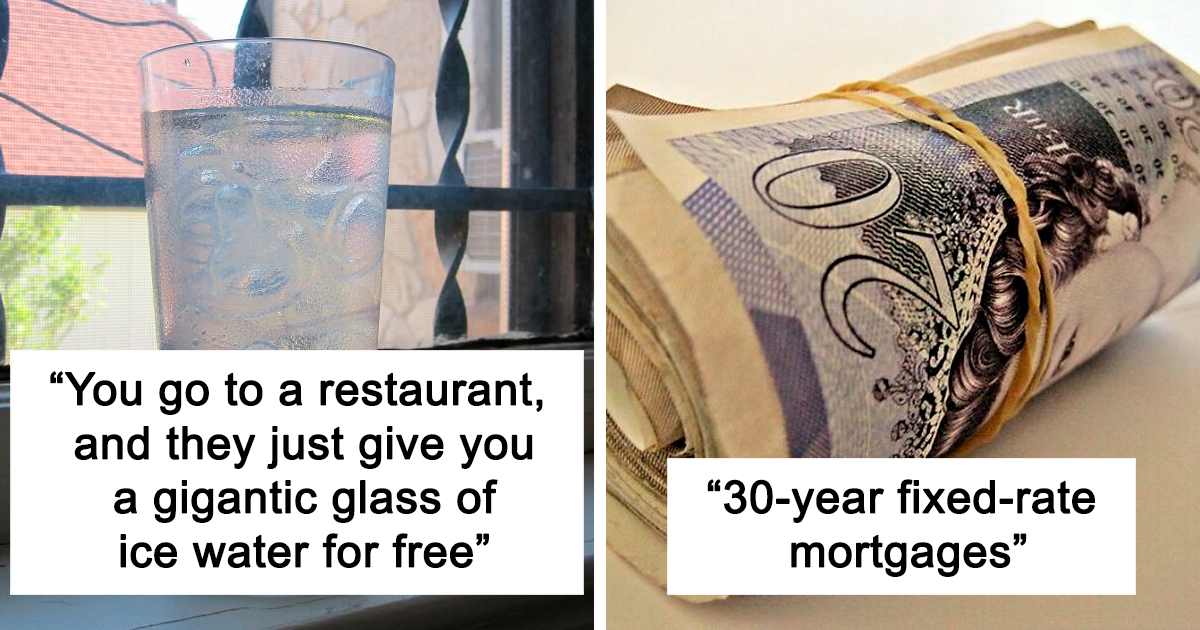
Long store hours, online ordering, drive-through services, free ice water, public restrooms, customer-service traditions, and enormous parking lots can simplify daily errands. Convenience carries environmental and labor costs, but visitors frequently notice how much infrastructure is designed to save time.
28. “Let’s Fix It” Is a Common Reflex
The country’s problem-solving culture appears in repair shops, laboratories, startups, volunteer groups, maker spaces, open-source projects, and neighborhood initiatives. Americans may argue about the solution, but someone usually arrives carrying duct tape, a spreadsheet, and unnecessary confidence.
29. Self-Criticism Is Also an American Tradition
Investigative reporting, satire, protest music, stand-up comedy, editorial cartoons, and public debate continually examine the country’s failures. Complaining about America does not necessarily mean rejecting it. Often, criticism comes from believing the country should honor its own stated ideals.
30. Optimism Survives Against Considerable Evidence
Perhaps the most durable strength is the belief that tomorrow can be improved. American optimism can be naïve or printed on an aggressively cheerful coffee mug, but it also fuels reform movements, inventions, second chances, migrations, and ambitious plans beginning with, “This may sound crazy.”
Why These Positive Answers Matter
Appreciating what works does not require ignoring what does not. The United States has serious inequality, unresolved historical wounds, political conflict, expensive systems, and institutions that frequently fall short of their promises. Honest admiration should never require selective amnesia.
However, criticism becomes more productive when it recognizes the resources available for improvement: active communities, public institutions, scientific capacity, cultural diversity, protected landscapes, legal principles, and millions of people willing to help. These strengths are not permanent trophies. They require funding, participation, maintenance, and occasionally protection from people who think every public service should behave like a vending machine.
Experiences That Make the Good Things About America Feel Real
Watching a National Park Wake Up
Picture a group gathering before sunrise at a national park overlook. Boots scrape against gravel while travelers from different states and countries wait for the landscape to change color. Nobody has been asked to agree on politics, music, or the correct pronunciation of “pecan.” For several quiet minutes, everyone simply watches the same light reach the same canyon.
Later, the road passes through a small town with a diner, hardware store, and public library. Inside, a child attends a free reading program while an older resident receives help using a telehealth website. A traveler downloads a map and charges a phone. America’s strengths often appear not in grand speeches but in useful spaces maintained for people who may never meet.
Traveling the World Without Leaving One Neighborhood
Another experience begins at a Vietnamese bakery, continues through a Mexican grocery store, and ends at an Ethiopian restaurant beside a Caribbean barbershop. These businesses are not staged tourist attractions. They are working parts of a community built through migration, family labor, risk, memory, and adaptation.
The food reveals how American culture evolves. Recipes cross borders, ingredients change, and traditions find new audiences. A dish can become more American without losing its history. That tension may produce endless arguments about authenticity, but it also produces an excellent lunch.
Seeing Public Systems and Neighbors Respond to a Storm
An emergency weather alert arriving late at night may contain only a few sentences, yet it rests on satellites, radar, forecasting models, meteorologists, communications networks, and local agencies. Families move to safer rooms, schools revise schedules, and emergency crews prepare.
Afterward, another network appears. Neighbors check on older residents. Volunteers distribute water and meals. People arrive with work gloves, generators, pet carriers, and chainsaws. The response may be imperfect, but the instinct to help becomes visible. It is difficult to measure the value of someone knocking on a door simply to ask, “Are you okay?”
Noticing How Accessibility Expands Participation
A curb cut seems minor until someone uses a wheelchair, pushes a stroller, pulls luggage, or recovers from an injury. Captions can look optional until a deaf viewer needs urgent information. An accessible entrance, service-animal policy, or workplace modification may determine whether someone participates or remains excluded.
The American disability-rights movement demonstrates how law can influence design, expectations, and culture. Barriers remain, but treating accessibility as a civil right rather than a personal favor has changed public spaces and influenced disability advocacy internationally.
Ending the Day With Strangers Who Do Not Stay Strangers
Spend a morning viewing spacecraft and historical objects in a free museum. Eat lunch from a food truck run by an immigrant family. Attend a baseball game where half the crowd studies every pitch while the other half conducts advanced research into nachos.
On the way out, a stranger starts talking about the game, the weather, or your hometown. The exchange lasts three minutes and leads nowhere, yet the day feels friendlier. That may connect many of these answers. At its best, America creates room for vast landscapes, unusual ideas, newcomers, second chances, and conversations between people who were strangers five minutes earlier.
Conclusion
When someone asks what is good about America, the strongest answers are not declarations of perfection. They are examples of possibility: public lands worth protecting, libraries worth funding, research worth supporting, communities worth joining, rights worth expanding, and differences worth celebrating. The country’s finest qualities become most meaningful when they are shared.
Note: The 30 responses are original paraphrases of recurring public-discussion themes supported by authoritative U.S. institutional information. No direct social-media quotations were reproduced.












