
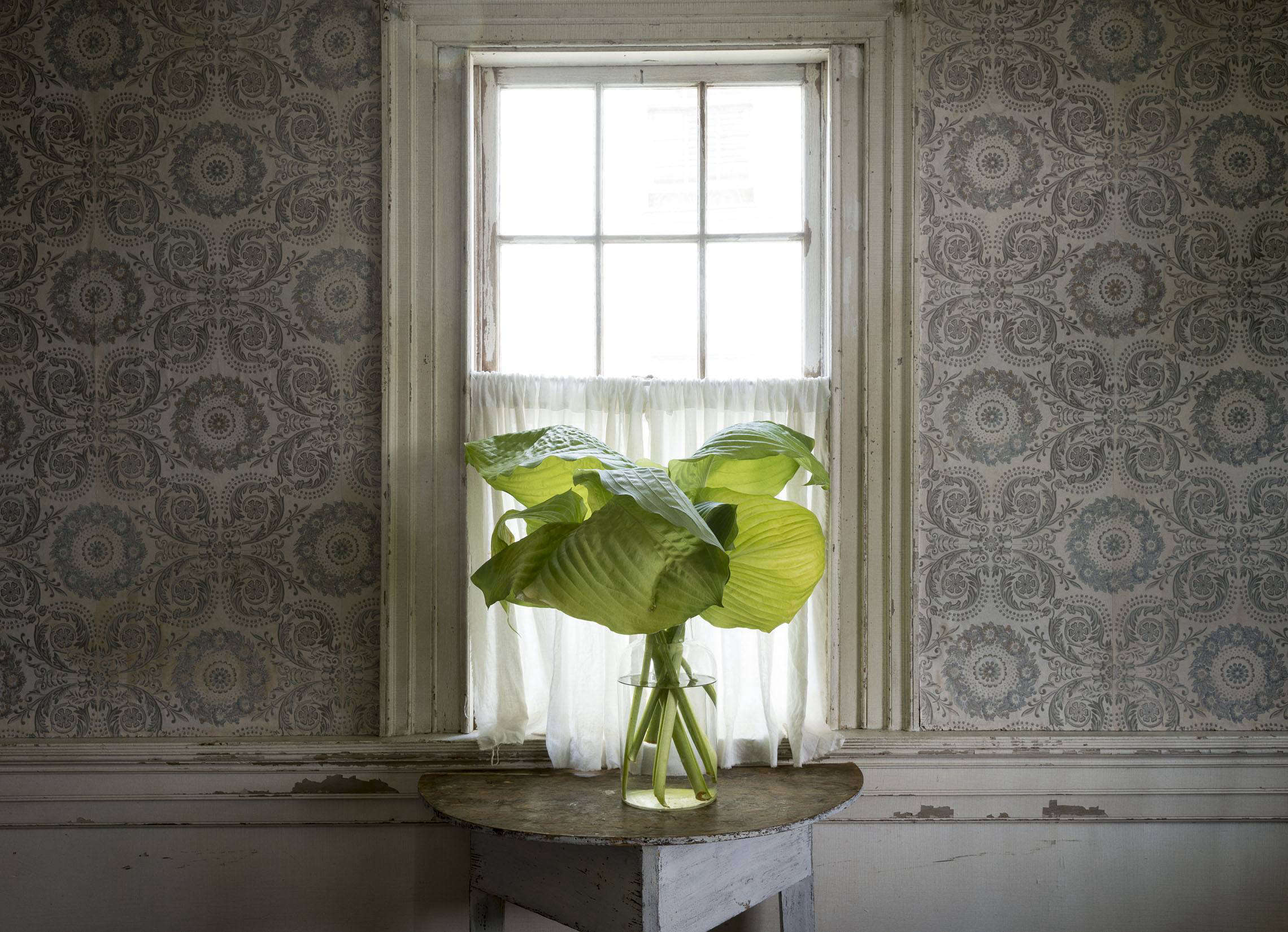
Modern life has a peculiar talent for separating us from the natural world. We commute in sealed vehicles, work under artificial lights, relax in climate-controlled rooms, and sometimes realize at 8 p.m. that the only tree we saw all day was printed on a cereal box. Bringing the outdoors in is a practical way to soften that divide.
This approach is often called biophilic design: shaping indoor spaces with plants, daylight, natural materials, organic forms, outdoor views, water, fresh air, and colors borrowed from the landscape. It does not require turning your living room into a tropical conservatory. One healthy plant, a clear view of the sky, a wooden table, or a bowl of beach stones can begin changing how a room feels.
Research on nature exposure and indoor greenery suggests that natural elements may support stress recovery, mood, attention, and satisfaction with indoor environments. The results are not identical in every study, but the overall direction is encouraging: people tend to respond well to spaces that feel alive, varied, and connected to nature.
1. Natural Elements Can Make a Room Feel Less Stressful
A room filled entirely with hard edges, blank walls, and humming electronics can feel efficient, but it rarely feels restorative. Plants, natural views, flowing shapes, and tactile materials add visual softness. They give the eyes somewhere pleasant to rest when the inbox starts behaving like a hydra.
Studies of indoor plants and small-scale greenery have reported reduced psychological or physiological stress in some settings. Even brief interaction with plants, such as watering, pruning, or repotting, can create a pause between demanding tasks.
Try This at Home
Place one medium-size plant where you naturally pause: beside the kitchen sink, near your desk, or across from your favorite chair. Choose a species suited to the available light rather than buying the prettiest plant and hoping it develops survival skills.
2. Greenery Can Lift the Mood of Everyday Spaces
Color influences atmosphere, and green is unusually easy to live with. It works with white walls, warm wood, concrete, brass, black metal, vintage furniture, and most questionable landlord paint choices. Living greenery also changes over time, so the room never feels completely static.
A new leaf, a blooming orchid, or herbs growing on a windowsill offers a tiny sign of progress. That matters in rooms used for repetitive routines. A laundry area with a trailing pothos still contains laundry, sadly, but it feels less like a punishment chamber.
Nature exposure has been associated with improved emotional well-being in many studies, while indoor plants can increase perceived attractiveness and comfort. The strongest benefit may not be a dramatic transformation; it may simply be that the room feels more pleasant to occupy.
3. Daylight Helps Support a Healthier Daily Rhythm
Bringing the outdoors in is not only about houseplants. Natural light is one of the most powerful outdoor elements available indoors. Morning daylight helps the body synchronize its internal clock, while bright light late at night can interfere with normal sleep timing.
Rooms that receive useful daytime light often feel more energetic and visually open. They can also make colors look richer and reduce the cave-like effect created by relying on overhead fixtures all day.
Use Daylight Without Creating Glare
Open curtains early, move bulky furniture away from windows, and use mirrors or pale surfaces to bounce light deeper into the room. In a home office, position the desk perpendicular to the window so daylight reaches the workspace without shining directly into your eyes or washing out the screen.
4. Nature-Inspired Rooms May Improve Focus
Attention is a limited resource. After hours of notifications, decisions, and screen-based work, the mind becomes tired. Natural views and greenery can provide a gentler form of attentioninteresting enough to engage the brain, but not so demanding that they drain it.
Some workplace studies have linked indoor plants or views of vegetation with improved concentration, productivity, or satisfaction. Other studies have found smaller or inconsistent effects, so a fiddle-leaf fig should not be treated as a substitute for sensible workloads, clear priorities, or coffee. Still, adding nature can make a workspace feel more supportive and less sterile.
Create a Low-Distraction Green Zone
Use one or two plants within your field of view, not a crowded jungle that requires daily crisis management. A simple arrangement of a plant, natural-fiber basket, and uncluttered desktop often works better than covering every horizontal surface with tiny pots.
5. Natural Materials Add Warmth and Sensory Variety
Biophilic interiors are not limited to living things. Wood grain, stone, clay, cork, linen, wool, rattan, and jute bring texture and irregularity into a room. Unlike perfectly uniform synthetic finishes, natural materials contain subtle variations that make a space feel layered rather than manufactured by a very organized robot.
These materials are especially useful in neutral rooms. A beige space can feel flat when every surface is smooth, but it becomes richer when woven shades, a wood bench, linen curtains, and a ceramic lamp introduce different textures. The palette stays calm while the sensory experience becomes more interesting.
Start With Touch Points
Focus first on objects you handle often: a wood desk, linen bedding, a wool rug, a stoneware mug, or a woven storage basket. The goal is not to replace everything. It is to add a few materials that feel grounded, durable, and pleasant to touch.
6. Plants and Organic Forms Can Improve Visual Balance
Most buildings are dominated by straight lines: walls, doors, cabinets, screens, tile, and furniture. Plants interrupt that geometry with curves, branching patterns, asymmetry, and movement. Their leaves catch light differently throughout the day, creating depth without adding visual clutter.
A tall plant can soften an empty corner. A trailing vine can break up a rigid shelf. A rounded wood table can make a boxy dining room feel friendlier. Even nature-inspired artwork or botanical patterns can help when live plants are impractical.
This is one reason bringing the outdoors in works across design styles. A cactus complements Southwestern interiors, sculptural branches suit minimalism, ferns fit traditional rooms, and olive trees look at home in modern Mediterranean spaces. Nature is a surprisingly cooperative decorator.
7. Indoor Greenery Encourages Small Moments of Care
Houseplants create simple routines: checking soil, rotating pots, wiping leaves, trimming dead growth, and noticing pests before they organize a hostile takeover. These tasks are small, visible, and usually manageable. In a day full of abstract work, caring for something living provides a concrete action with an observable result.
That routine can also build mindfulness. You begin noticing where afternoon light lands, how quickly soil dries, when humidity changes, and which rooms run warmer. In other words, plants teach you to pay attention to your home as an environment rather than treating it as a sealed box.
Choose Plants for Your Real Habits
Frequent travelers may prefer snake plants, ZZ plants, hoyas, or succulents in genuinely bright locations. Enthusiastic waterers may do better with ferns, peace lilies, or moisture-loving herbs. The best indoor plant is not the trendiest one; it is the one compatible with your light, schedule, pets, and tendency to remember watering day.
8. Thoughtful Daylighting Can Reduce Reliance on Electric Lights
Strategically using windows, skylights, reflective surfaces, and room layout can reduce the need for artificial lighting during daytime hours. The U.S. Department of Energy describes daylighting as a building strategy that can lower lighting demand when windows and skylights are placed and managed efficiently.
The key word is thoughtful. More sunlight is not automatically better. Uncontrolled sun can create glare, fade furnishings, and increase unwanted heat. Sheer curtains, exterior shading, adjustable blinds, high-performance glazing, and seasonal changes in furniture placement can help capture daylight without turning the living room into a greenhouse audition.
Make the Most of Existing Windows
Clean the glass, keep tall furniture from blocking the opening, and use layered window treatments. A sheer layer diffuses harsh light, while a heavier curtain or shade provides privacy and heat control when needed.
9. Plants Can Improve Comfort, but They Are Not Air Purifiers in Pots
Houseplants release moisture through transpiration, and research in real workplaces has found fewer complaints about dry air after plants were introduced. A cluster of healthy plants may therefore make a small contribution to perceived comfort, particularly in dry indoor conditions.
However, it is important to retire the superhero version of the houseplant story. A few potted plants will not clean a typical home as effectively as source control, adequate ventilation, filtration, and proper maintenance. The Environmental Protection Agency emphasizes reducing pollution sources and using ventilation appropriately to improve indoor air quality.
Enjoy plants for their beauty, comfort, and psychological benefits. Let exhaust fans, HVAC systems, air filters, and open windowswhen outdoor conditions allowhandle the serious air-quality work.
10. Bringing the Outdoors In Makes a Home Feel More Personal
Nature-inspired design is difficult to mass-produce emotionally. A cutting from a grandparent’s plant, stones collected on a family trip, a locally made wood bowl, pressed leaves from a neighborhood walk, or herbs grown for weekend cooking all carry stories. They turn decoration into memory.
Natural elements also change with the seasons. Spring branches, summer flowers, autumn leaves, pinecones, citrus, and winter greenery can refresh a room without a major shopping spree. This seasonal rhythm keeps the home connected to what is happening beyond its walls.
Most importantly, an indoor-outdoor connection can be tailored to the person who lives there. Some people want a lush collection of tropical plants. Others prefer one sculptural tree, wide-open curtains, and warm oak furniture. The goal is not to copy a showroom. It is to create a home that feels more alive and more like yours.
How to Bring the Outdoors In Without Overdoing It
Begin with the conditions you already have. Notice where sunlight enters, which rooms feel dry, where you spend the most time, and how much plant care you honestly enjoy. Then choose two or three changes with the greatest impact.
- Add one healthy statement plant: Use it to soften an empty corner or frame a window.
- Reveal the daylight: Simplify heavy window treatments and move obstructions away from the glass.
- Introduce one natural material: Try a wood tray, linen throw, jute rug, clay pot, or stone accessory.
- Frame an outdoor view: Arrange seating so trees, sky, or a garden become part of the room.
- Use natural colors: Layer moss, sand, terracotta, bark, ocean blue, or soft floral tones.
- Add movement or sound: A small fountain, gently moving curtain, or recording of rain can create a subtle sensory link to nature.
Avoid buying dozens of plants at once. New plant owners often create a beautiful jungle on Saturday and a complicated irrigation department by Tuesday. Build gradually, learn what thrives, and repeat what works.
A Firsthand-Style Experience: What Changes When a Home Gets Greener
The most noticeable change after bringing natural elements indoors is not usually dramatic. There is no cinematic moment when the pothos unfurls a leaf and everyone suddenly becomes calm, productive, and fluent in botanical Latin. The shift happens through small daily experiences.
Imagine a home office that originally contains a desk, monitor, plastic chair mat, gray wall, and one ceiling light. It functions, but it feels like a place designed for completing tasks rather than spending a life. The first improvement is simple: the desk moves closer to the window, turned sideways to prevent screen glare. Morning light begins reaching the room. The overhead fixture stays off for several more hours each day, and the workspace feels less closed in.
Next comes a medium-size rubber plant in the corner and a pothos on the shelf. Neither plant is rare, and neither requires a graduate degree in misting. Their main contribution is visual. The rubber plant breaks up the hard intersection of two walls, while the pothos adds movement to a rigid bookcase. During video calls, the background looks warmer and more intentional without resembling a fake tropical resort.
A week later, a wood desk organizer replaces several mismatched plastic containers. A linen curtain filters the strongest afternoon sun. A small stone picked up during a coastal trip sits beside the keyboard. These objects do not shout for attention, but together they change the emotional temperature of the room. The space begins to feel connected to places beyond the screen.
The plants also create a new rhythm. On Monday morning, checking the soil becomes a thirty-second ritual before opening email. Once a week, the leaves are wiped with a damp cloth. When a new leaf appears, it provides a modest but satisfying sense that something is moving forward, even during a week when a project seems determined to move sideways.
There are mistakes, of course. One plant is placed too far from the window and becomes dramatically unhappy. Another receives too much water because kindness, when delivered by watering can, can become a swamp. Adjustments follow: the struggling plant moves, the watering schedule becomes less enthusiastic, and the room gradually teaches its owner what works.
Similar changes can happen throughout a home. Herbs near the kitchen window encourage more spontaneous cooking. A bench facing the backyard makes morning coffee feel like a pause rather than a refueling stop. A woven basket and clay vase make the entryway warmer. In the bedroom, lighter curtains welcome morning daylight, while blackout shades still protect sleep at night.
The experience reveals an important lesson: bringing the outdoors in is less about decorating with leaves and more about building awareness. You notice light, texture, air, seasons, growth, and views. The home stops feeling like a container that blocks nature and starts feeling like a sheltered place that remains connected to it.
That is the most compelling reason to embrace biophilic design. It can make ordinary rooms more restorative, useful, beautiful, and personal without demanding a complete remodel. Start with one window, one natural texture, or one plant you can keep alive. Your home does not need to become a forest. It only needs a few reminders that the world outside is worth inviting in.











