
Note: This article is for educational purposes only and is not a substitute for medical advice, diagnosis, or treatment. Anyone with symptoms of systemic lupus erythematosus should speak with a licensed healthcare professional.
Systemic lupus erythematosus, usually shortened to SLE or simply lupus, is the kind of condition that refuses to stay in one lane. One week it may look like joint pain and crushing fatigue. Another week it may show up as a rash, mouth sores, chest discomfort, abnormal blood tests, or kidney trouble. If the human body were a neighborhood, lupus would be the overenthusiastic security guard who mistakes friendly residents for burglars and starts chasing everyone with a flashlight.
In medical terms, SLE is a chronic autoimmune disease. That means the immune system, which normally protects the body from infections, mistakenly attacks healthy tissues. This can cause inflammation in the skin, joints, kidneys, blood vessels, brain, lungs, heart, and other organs. Lupus can be mild for some people and serious or even life-threatening for others. The tricky part is that symptoms often come and go in flares, making diagnosis feel like solving a mystery novel where the clues keep changing jackets.
What Is Systemic Lupus Erythematosus?
Systemic lupus erythematosus is the most common and most serious form of lupus. “Systemic” means it can affect multiple body systems, and “erythematosus” refers to redness, often related to skin inflammation. Although lupus can affect anyone, it is far more common in women, especially during the childbearing years. It also occurs more often and may be more severe in Black, Hispanic, Asian, and Native American populations.
SLE is not contagious, not caused by poor hygiene, and not something a person can “catch” from someone else. It is also not the same for every patient. Two people may both have lupus, yet one has mainly skin and joint symptoms while the other develops kidney inflammation, anemia, or neurological symptoms. This is why lupus care is usually personalized rather than one-size-fits-all.
What Causes Systemic Lupus Erythematosus?
Researchers have not identified one single cause of systemic lupus erythematosus. Instead, SLE appears to develop when several factors overlap, including genetics, immune system abnormalities, hormones, and environmental triggers. Think of it less like one light switch and more like a very complicated control panel that nobody should have installed without a manual.
Genetic Susceptibility
Lupus can run in families, but it is not inherited in a simple way like eye color. Having a relative with lupus or another autoimmune disease may increase risk, yet most relatives of people with lupus never develop the condition. Genes may make the immune system more likely to overreact, but genes alone usually do not explain the whole story.
Immune System Problems
In SLE, the immune system produces autoantibodies, which are antibodies that target the body’s own cells and proteins. These autoantibodies can form immune complexes that settle in tissues and trigger inflammation. Some of the best-known antibodies in lupus include antinuclear antibodies, anti-double-stranded DNA antibodies, anti-Smith antibodies, and antiphospholipid antibodies.
Hormones
The higher rate of lupus in women suggests that hormones may play a role. Estrogen may influence immune activity, although lupus is not simply a “hormone problem.” Many people with SLE notice symptom changes around menstrual cycles, pregnancy, or menopause, but the pattern varies widely.
Environmental Triggers
Environmental factors may help trigger lupus or cause flares in people who are already susceptible. Common triggers include ultraviolet light from the sun, infections, severe stress, smoking, certain medications, and sometimes physical trauma or surgery. For some patients, a beach day without sun protection can lead to a flare that feels like the immune system filed a formal complaint with every joint in the body.
Common Symptoms of Systemic Lupus Erythematosus
Lupus symptoms can be broad, subtle, and frustratingly changeable. Some people develop symptoms gradually over months or years, while others experience a more sudden onset. Symptoms may be mild, moderate, or severe depending on which organs are involved.
Fatigue
Fatigue is one of the most common lupus symptoms. This is not ordinary “I stayed up too late watching one more episode” tiredness. Lupus fatigue can feel heavy, persistent, and out of proportion to activity. It may interfere with work, school, exercise, relationships, and daily responsibilities.
Joint and Muscle Pain
Many people with SLE experience joint pain, stiffness, swelling, or muscle aches. The hands, wrists, knees, and ankles are common trouble spots. Lupus arthritis can resemble rheumatoid arthritis, but it often causes less permanent joint damage. Morning stiffness is common and may improve as the day goes on.
Skin Rashes and Sun Sensitivity
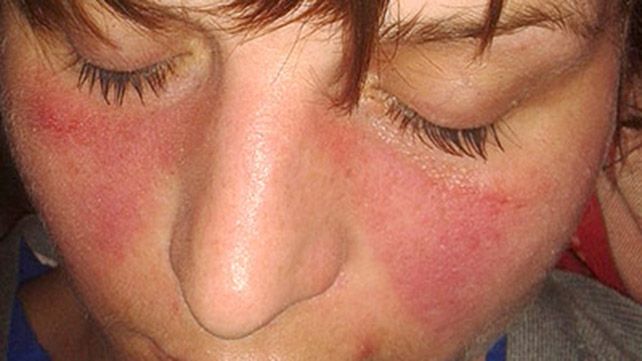
A classic lupus sign is the butterfly-shaped rash across the cheeks and bridge of the nose, also called a malar rash. Other rashes may appear on sun-exposed areas such as the arms, chest, neck, and scalp. Photosensitivity is common, meaning sunlight or UV light can trigger rashes, fatigue, joint pain, or full-body flares.
Fever, Hair Loss, and Mouth Sores
Unexplained low-grade fevers, hair thinning, and painless mouth or nose ulcers may occur during active lupus. Hair loss can be temporary, especially during flares, but scarring skin disease on the scalp may cause more lasting hair changes.
Chest Pain and Breathing Symptoms
Lupus can cause inflammation around the lungs or heart. This may lead to sharp chest pain that worsens with deep breaths, shortness of breath, or discomfort when lying down. Any chest pain should be evaluated promptly, especially in someone with known or suspected lupus.
Kidney Symptoms
Kidney inflammation caused by lupus is called lupus nephritis. It may not cause obvious symptoms at first, which is why regular urine and blood testing is so important. Warning signs can include foamy urine, blood in the urine, high blood pressure, swelling in the feet or hands, and abnormal kidney function tests.
Brain and Nervous System Symptoms
Some people with SLE develop headaches, memory problems, mood changes, confusion, seizures, or nerve symptoms. Not every headache in a lupus patient is caused by lupus, of course, but new or severe neurological symptoms deserve medical attention.
How Doctors Diagnose SLE
There is no single test that proves a person has lupus. Diagnosis is based on symptoms, physical examination, medical history, lab tests, and sometimes imaging or biopsy. This is one reason lupus can take time to diagnose. It can imitate thyroid disease, viral infections, rheumatoid arthritis, fibromyalgia, anemia, kidney disease, and several other conditions.
Common tests include an antinuclear antibody test, complete blood count, kidney and liver function tests, urinalysis, complement levels, anti-double-stranded DNA antibodies, anti-Smith antibodies, antiphospholipid antibody tests, and inflammatory markers such as ESR or CRP. If kidney disease is suspected, a kidney biopsy may be needed to identify the type and severity of lupus nephritis.
A positive ANA test is common in lupus, but it does not automatically mean someone has SLE. Some healthy people and people with other autoimmune conditions may also have a positive ANA. That is why doctors interpret the test in context, rather than treating one lab result like a magic eight ball with a lab coat.
Systemic Lupus Erythematosus Treatment Options
There is currently no cure for systemic lupus erythematosus, but treatment has improved significantly. The goals are to reduce inflammation, control symptoms, prevent flares, protect organs, and limit medication side effects. Treatment depends on disease severity and the organs involved.
Hydroxychloroquine
Hydroxychloroquine is commonly used as a foundation treatment for many people with SLE. It can help reduce flares, improve skin and joint symptoms, and support long-term disease control. Patients taking hydroxychloroquine usually need regular eye exams because rare retinal side effects can occur, especially with long-term use or higher doses.
NSAIDs and Pain Relief
Nonsteroidal anti-inflammatory drugs may be used for mild joint pain, muscle aches, or fever. They are not appropriate for everyone, especially people with kidney disease, stomach ulcers, bleeding risk, or certain heart conditions. Acetaminophen may be used for pain in some cases, but medication choices should be discussed with a clinician.
Corticosteroids
Corticosteroids such as prednisone can quickly reduce inflammation during flares. They can be very effective, but long-term use may cause weight gain, high blood pressure, diabetes, osteoporosis, cataracts, mood changes, infections, and other problems. Modern lupus care often tries to use the lowest effective steroid dose for the shortest reasonable time.
Immunosuppressive Medicines
For moderate to severe lupus, especially when organs are involved, doctors may prescribe immunosuppressive medications such as azathioprine, mycophenolate mofetil, methotrexate, cyclophosphamide, tacrolimus, or cyclosporine. These medications calm an overactive immune system but require monitoring because they can increase infection risk and affect the liver, kidneys, blood counts, or pregnancy planning.
Biologic Therapies
Biologic medicines target specific immune pathways. Belimumab is used for certain patients with active SLE and is also approved for active lupus nephritis in adults receiving standard therapy. Anifrolumab is approved for adults with moderate to severe SLE who are receiving standard therapy, although it is not recommended for severe active lupus nephritis or severe active central nervous system lupus. These treatments can be helpful for selected patients, especially when standard approaches are not enough.
Treatment for Lupus Nephritis
Lupus nephritis requires careful management because untreated kidney inflammation can lead to permanent kidney damage. Treatment may involve corticosteroids plus medications such as mycophenolate, cyclophosphamide, belimumab, or voclosporin depending on the type and severity of kidney involvement. Regular urine protein checks, kidney function testing, blood pressure control, and sometimes repeat evaluation are essential.
Lifestyle Strategies for Managing Lupus
Medication is important, but daily habits also matter. Lupus does not respond well to the “ignore it and hope it gets bored” strategy.
Protect Yourself From UV Light
Sun protection is one of the most practical lupus self-care tools. Use broad-spectrum sunscreen, wear protective clothing, seek shade, and avoid tanning beds. Some indoor fluorescent or halogen lights may also bother photosensitive patients.
Prioritize Rest and Energy Management
People with lupus often benefit from pacing activities, planning rest breaks, and avoiding boom-and-bust cycles. Doing everything on a good day may feel heroic until the next day arrives wearing steel-toed boots.
Eat a Heart-Healthy Diet
There is no universal “lupus diet,” but a balanced eating pattern rich in vegetables, fruits, whole grains, lean proteins, and healthy fats can support overall health. Because lupus and some treatments may increase cardiovascular risk, heart-healthy choices are especially important.
Stay Up to Date on Preventive Care
Regular checkups, vaccines recommended by a clinician, bone health screening, blood pressure management, cholesterol monitoring, kidney testing, and eye exams can help reduce complications. People taking immune-suppressing medicines should ask their healthcare team which vaccines are safe and when to receive them.
Pregnancy and SLE
Many people with lupus can have successful pregnancies, but pregnancy should be planned carefully. The safest time is usually when lupus has been quiet and well controlled for several months. Some lupus medications are safe in pregnancy, while others can harm a developing baby and must be changed in advance. Patients with antiphospholipid antibodies, kidney disease, high blood pressure, or certain autoantibodies need closer monitoring.
A pregnancy care team may include a rheumatologist, high-risk obstetrician, nephrologist, and primary care clinician. Planning ahead is not overthinking; with lupus, it is good strategy.
When to Seek Medical Help
Anyone with possible lupus symptoms should seek medical evaluation, especially if symptoms involve multiple body systems. People already diagnosed with SLE should contact their healthcare team for new chest pain, severe headache, shortness of breath, swelling, foamy urine, blood in urine, high fever, confusion, seizures, sudden weakness, or signs of infection. Early treatment can prevent damage before lupus has time to redecorate the organs without permission.
Living With Systemic Lupus Erythematosus: Practical Experiences and Lessons
Living with systemic lupus erythematosus is not just a medical journey; it is a daily logistics project with occasional plot twists. Many people describe the early stage as the most confusing part. They may feel exhausted, achy, feverish, or foggy, yet routine explanations do not fit. One day the hands hurt. Another day a rash appears after sun exposure. Then blood tests look strange, symptoms fade, and everyone wonders whether the body was just being dramatic. Spoiler: sometimes the body was sending very real signals.
A common experience is learning to respect fatigue. Before diagnosis, a person may push through tiredness with coffee, willpower, and motivational quotes that belong on gym walls. With lupus, that approach can backfire. Patients often learn to budget energy like money: spend it on essentials, save some for recovery, and stop pretending there is an unlimited credit card. This may mean planning errands on separate days, using grocery delivery during flares, saying no to late-night events, or resting before important appointments.
Sun sensitivity is another practical lesson. Someone may feel fine after a quick outdoor lunch, then develop rash, joint pain, or deep fatigue later. Over time, many patients build a sun-defense routine: sunscreen near the toothbrush, hats in the car, long sleeves that do not look like camping equipment, and shade-seeking skills worthy of a house cat. The goal is not to fear the outdoors, but to enjoy it with fewer flare invitations.
Medication routines can also take adjustment. Hydroxychloroquine, steroid tapers, immune-suppressing drugs, biologic infusions, lab monitoring, eye exams, and pharmacy refills can feel like an unwanted part-time job. The patients who do best often create systems: pill organizers, calendar reminders, symptom notes, lab result folders, and a written list of questions for appointments. These small habits reduce the chance of forgetting details when brain fog shows up and starts rearranging the furniture.
Communication matters too. Lupus is often invisible, so friends, coworkers, or even family members may not understand why someone looks fine but feels awful. A simple explanation can help: “My immune system is overactive, and today my energy is limited.” Patients do not owe everyone a medical lecture, complete with diagrams and dramatic lighting. Clear boundaries can protect both health and relationships.
Work and school may require flexibility. Some people need accommodations such as remote work options, modified schedules, reduced sun exposure, ergonomic tools, or time for medical appointments. Asking for help can feel uncomfortable, but managing lupus is not a character flaw. It is healthcare in real life.
Finally, many people with lupus learn that progress is not always linear. A good month does not mean lupus has packed its bags forever, and a flare does not mean treatment has failed. The long game is monitoring symptoms, preventing organ damage, reducing flares, and building a life that is realistic, meaningful, and still full of joy. Lupus may be unpredictable, but with informed care, smart habits, and support, it does not get to write the whole story.
Conclusion
Systemic lupus erythematosus is a complex autoimmune disease that can affect many parts of the body, from the skin and joints to the kidneys, blood, heart, lungs, and nervous system. Its causes are not fully understood, but genetics, immune system dysfunction, hormones, and environmental triggers all appear to play a role. Because symptoms can mimic many other conditions, diagnosis often requires patience, careful testing, and a clinician who knows how to connect the dots.
The good news is that lupus treatment has advanced. Hydroxychloroquine, corticosteroids, immunosuppressants, biologic therapies, and lupus nephritis-specific treatments can help control disease activity and protect organs. Lifestyle strategies such as sun protection, rest, heart-healthy habits, regular monitoring, and strong communication with healthcare providers can make daily life more manageable. Lupus may be complicated, but understanding it is a powerful first step.












