
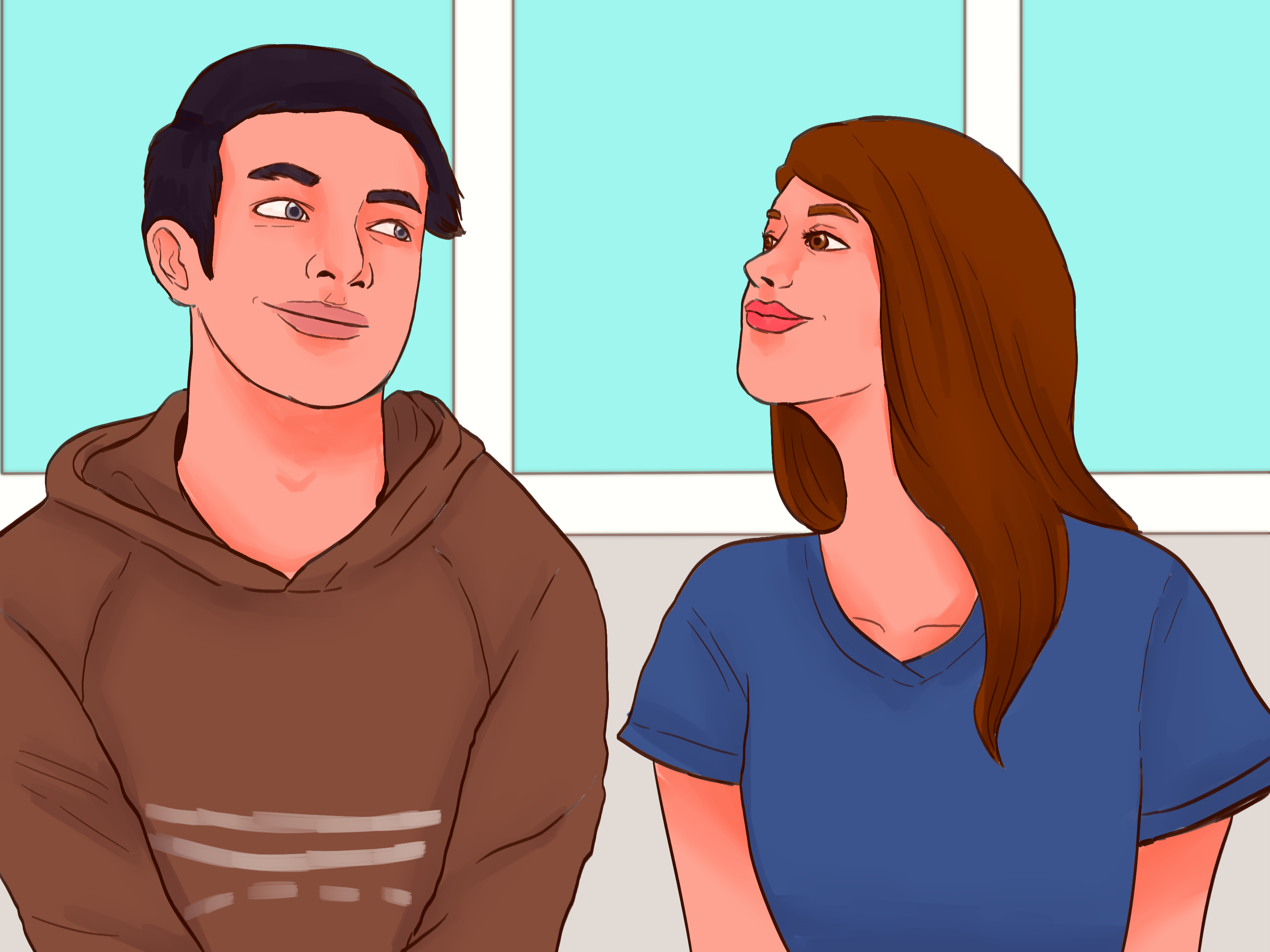
Finding out that someone has a crush on you can be flattering, awkward, exciting, or all three before breakfast. When the person is autistic, you may wonder whether you need to communicate differently, avoid certain phrases, or handle rejection with extra care. The useful answer is simpler than many internet discussions make it sound: treat him as an individual, communicate clearly, and protect both people’s boundaries.
Autism can influence how someone communicates, interprets social signals, manages uncertainty, or experiences sensory environments. It does not create one universal dating personality. Some autistic men are direct; others are shy. Some love long conversations; others prefer texting. Some recognize flirting immediately; others may think your five-minute discussion about printer paper was simply an unusually enthusiastic office-supply meeting.
This guide explains how to respond respectfully whether you like him back, feel uncertain, or are not interested. It also covers consent, mixed signals, uncomfortable behavior, and realistic experiences that can help you navigate the situation without stereotyping him or ignoring your own needs.
Start by Seeing the Person, Not Just the Autism
Autism is a lifelong neurodevelopmental difference associated with varied communication styles, social experiences, interests, routines, and sensory needs. The word spectrum matters because autistic people do not share one personality, ability level, or romantic style.
A diagnosis can provide context, but it should not become the entire explanation for everything he does. Being talkative is not automatically “an autism thing.” Neither is being quiet, intense, funny, nervous, affectionate, organized, or obsessed with medieval bridges. Those traits may be part of his personality, his current mood, his interests, or some combination of factors.
Avoid Infantilizing Him
An autistic adult is still an adult. You do not need to speak to him as though you are delivering instructions to a nervous child. Use your normal vocabulary, maintain a respectful tone, and assume competence unless he tells you that he needs a specific form of support.
Compassion does not mean managing his emotions for him. You can be considerate without becoming his social translator, therapist, dating coach, or emergency department for every uncomfortable feeling.
Do Not Assume He Is Emotionless or Obsessive
Two damaging stereotypes often appear in discussions about autistic men: that they lack emotion or that every crush becomes an obsession. Neither assumption is fair. Autistic people can experience affection, empathy, disappointment, attraction, embarrassment, and heartbreak as deeply as anyone else.
Focused interests and a preference for predictability may shape how an autistic person talks about a crush, but they do not automatically indicate dangerous fixation. Judge his behavior by what he actually does, not by a dramatic television character written by someone who apparently researched autism during a commercial break.
Decide What You Want Before Responding
Before planning the perfect conversation, check in with yourself. Are you interested in dating him? Would you like to know him better without making a commitment? Do you see him only as a friend? Are you uncomfortable around him?
Your answer does not need to change because he is autistic. You are not required to accept a date out of sympathy, and rejecting him does not make you ableist. Likewise, being attracted to him does not make you heroic or unusually open-minded. It means you are interested in another human being. No medal ceremony is necessary.
If You Like Him Back
Say so clearly. Instead of relying on repeated eye contact, strategic hair flipping, or an advanced sequence of reaction emojis, use words:
“I like you too. Would you like to get coffee with me on Saturday?”
A specific invitation reduces uncertainty. Include the activity, day, and approximate time when possible. This directness is not unromantic. It is often refreshing, particularly when both people are tired of trying to interpret whether “We should hang out sometime” is an invitation, a polite farewell, or an ancient social riddle.
If You Are Unsure
You can express uncertainty without promising a relationship:
“I enjoy talking with you, but I’m not sure whether I want to date. I’d be comfortable getting lunch as friends and seeing how we get along.”
Define what “seeing how things go” means. If you want a casual friendship rather than a trial date, say that. Ambiguity can be confusing for anyone, and communication differences between autistic and non-autistic people can make unspoken expectations even harder to interpret.
If You Are Not Interested
Give a kind but definite answer:
“Thank you for telling me. I don’t feel a romantic connection, so I don’t want to date. I hope we can continue being friendly, but I understand if you need some space.”
Avoid phrases such as “not right now” or “I’m too busy” when you actually mean no. He may reasonably interpret those statements as temporary obstacles and ask again later. A respectful rejection should not require him to solve a word puzzle to discover the hidden answer.
Use Clear, Concrete Communication
Research on autistic and non-autistic communication increasingly recognizes that misunderstandings can run in both directions. An autistic person may misread a non-autistic person, but a non-autistic person can also misinterpret autistic facial expressions, tone, timing, or intentions. Successful communication is therefore a shared responsibility rather than a repair project assigned exclusively to him.
Say What You Mean
Some autistic people interpret language literally or have difficulty identifying implied meanings. You do not need to eliminate humor, sarcasm, or subtlety from every conversation. Simply notice whether your usual style is working.
Compare these two statements:
- Vague: “You’re being a little intense lately.”
- Clear: “I’m not comfortable receiving several messages after I have said I’m going to sleep. Please wait until I reply the next day.”
The second version identifies the behavior, explains the boundary, and states the requested change. It is more useful regardless of whether the listener is autistic.
Do Not Rely Solely on Body Language
Crossed arms, short replies, indirect hints, or a particular tone may seem obvious to you but may not communicate your intended message. If you want to leave, say, “I need to go home now.” If a topic is uncomfortable, say, “I don’t want to discuss that.” If you need time before answering a romantic question, say when you expect to respond.
Clear language is especially important when the answer concerns dating, touch, privacy, or sex. Silence, nervous laughter, freezing, or failing to resist should never be treated as enthusiastic agreement.
Allow Processing Time
He may need time to process an emotional conversation, especially when surprised. A pause does not necessarily mean indifference, anger, or refusal to listen. You can say:
“You don’t have to answer immediately. Think about it, and we can talk tomorrow.”
At the same time, processing needs should not leave you trapped in endless uncertainty. It is reasonable to set a timeframe when a decision affects you both.
Set Boundaries Early and Specifically
Boundaries describe what you are comfortable with and what you will do when a limit is crossed. They are not punishments, and they are not attempts to control another adult’s entire life.
You might set boundaries around:
- How frequently you text or call
- Whether he may visit your home or workplace
- Which personal details can be shared with others
- Physical affection and sexual activity
- Whether the relationship is romantic, platonic, exclusive, or casual
- How disagreements will be handled
Make Boundaries Observable
“Give me space” may mean different things to different people. A more concrete version would be:
“I need two days without messages. I will contact you on Thursday.”
Similarly, “Don’t be clingy” is a judgment rather than a usable boundary. Try, “Please send one message and wait for my reply instead of sending several follow-ups.”
Be Consistent Without Becoming Rigid
If you say that you do not want romantic contact but continue sending flirtatious messages because you enjoy the attention, the contradiction can create confusion. You are allowed to change your mind, but communicate the change directly.
Consistency does not mean following a robotic relationship manual. It means keeping your words and actions reasonably aligned so neither person must become a detective specializing in romantic inconsistencies.
Discuss Consent Directly
Consent should be clear, voluntary, informed, specific, and ongoing. Autism does not eliminate the need to ask for consent, nor does it prevent an autistic adult from understanding and practicing consent. Both people are responsible for checking in and respecting the answer.
Ask Before Initiating Physical Contact
Some autistic people have sensory sensitivities or preferences involving touch, pressure, sound, smell, or crowded environments. Rather than guessing, ask:
- “Would you like a hug?”
- “Is it okay if I hold your hand?”
- “Do you want me to stop?”
- “Would a quieter place be more comfortable?”
He should extend the same consideration to you. Agreeing to one form of affection does not grant automatic permission for another. Consent can also be withdrawn at any time, including during an activity that both people previously agreed to.
Do Not Treat Disability as an Excuse for Ignoring No
A missed hint can be a communication misunderstanding. Ignoring an explicit boundary is different. Once you have clearly said no, repeated pressure, unwanted touching, threats, monitoring, or persistent contact should not be dismissed as harmless autistic behavior.
You can acknowledge that someone misunderstood while still requiring the behavior to stop. Your safety and comfort remain important.
If You Decide to Date Him
A healthy relationship with an autistic man is built from the same essentials as any healthy relationship: trust, attraction, consent, humor, mutual effort, and the ability to discuss problems without turning every disagreement into a courtroom miniseries.
Ask About Individual Preferences
Instead of researching “what autistic boyfriends like” as though ordering from a standardized menu, ask him what he likes. Useful questions include:
- “Do you prefer making plans in advance?”
- “Is texting or talking in person easier for serious conversations?”
- “Are there environments that feel overwhelming?”
- “How do you usually show affection?”
- “What helps when you feel overloaded?”
Share your own answers as well. A relationship should not revolve exclusively around accommodating one person’s communication style.
Plan Dates That Work for Both People
A loud bar, crowded concert, or surprise party may be enjoyable for one autistic person and exhausting for another. Consider quieter cafés, museums, parks, bookstores, shared-interest events, cooking at home, or activities with a clear beginning and ending.
Predictability can reduce stress, but spontaneity is not universally forbidden. Discuss how much notice each person prefers and whether changes need to be communicated early.
Understand Different Expressions of Affection
He may show care by sharing information, fixing a practical problem, remembering tiny details, inviting you into a focused interest, or spending quiet time beside you. These actions can be meaningful even if they do not resemble a romantic-comedy speech delivered during a thunderstorm.
However, you are still allowed to request affection in forms that matter to you. Try saying, “Verbal reassurance helps me feel connected,” rather than waiting for him to infer that need.
If You Reject Him and Want to Remain Friends
Friendship may be possible, but neither person is entitled to it immediately. He may need distance to process disappointment. You may also decide that continued contact feels uncomfortable.
State what friendship would look like:
“I’m comfortable talking at work and joining group activities, but I don’t want one-on-one dates or romantic messages.”
If he accepts the boundary, interact normally rather than treating him as fragile glassware. If he repeatedly tries to renegotiate your rejection, restate your answer once and reduce contact if necessary.
Do Not Offer False Hope to Soften the Moment
You may be tempted to say, “Maybe someday,” because a direct no feels harsh. False hope usually extends the discomfort for both people. Kindness is not measured by how successfully you prevent another adult from feeling any disappointment. Honest disappointment is often healthier than prolonged confusion.
Recognize Red Flags Without Blaming Autism
Most awkward romantic behavior is not dangerous. Still, certain actions require a firm response, regardless of diagnosis. Warning signs include:
- Continuing romantic or sexual contact after a clear refusal
- Following you, appearing unexpectedly, or monitoring your location
- Demanding passwords, private photos, or constant updates
- Threatening you, himself, or other people to influence your decision
- Using guilt, disability, loneliness, or past trauma to pressure you
- Touching you without permission
- Retaliating when you establish a boundary
If you feel unsafe, prioritize practical safety rather than attempting one more perfectly phrased conversation. Save relevant messages, tell trusted people, block contact where appropriate, report workplace or school conduct through the proper channels, and contact local emergency or support services when there is an immediate threat.
Autism can explain communication differences. It does not excuse harassment, coercion, abuse, or violence. At the same time, autism should not be treated as evidence that a person is likely to behave dangerously.
Common Mistakes to Avoid
Talking About Him Instead of Talking to Him
Advice from friends can help, but avoid turning his crush into group entertainment. Sharing private messages, laughing about his mannerisms, or asking everyone except him what he means is disrespectful.
Assuming Every Difficulty Is His Fault
Communication mismatches involve two people. Consider whether you have been direct, whether he has had an opportunity to explain himself, and whether both of you are making adjustments.
Becoming His Unpaid Therapist
You can listen and care without taking responsibility for regulating every emotion. If he needs extensive support after rejection or during a relationship, encourage him to contact trusted friends, a qualified therapist, or an autism-informed support service.
Expecting Him to “Act Less Autistic”
A relationship should not require him to suppress harmless movements, abandon meaningful interests, force eye contact, or perform a more socially conventional personality. Reasonable compromise is healthy; constant masking is exhausting.
Ignoring Your Own Compatibility Needs
Respecting neurodiversity does not require staying in an incompatible relationship. Differences involving communication, affection, lifestyle, sex, social activity, or future goals may or may not be workable. Compatibility is not a moral verdict on either person.
Experiences: What These Situations Can Look Like in Real Life
The following are composite examples created from common relationship situations. They are not descriptions of specific identifiable people.
Experience One: The Friendly Invitation That Sounded Like a Date
Maya frequently discussed science-fiction movies with Daniel, an autistic coworker. One afternoon, she said, “We should watch the new one together sometime.” To Maya, this was casual conversation. Daniel understood it as an invitation and returned the next day with showtimes, transportation options, and a ranked list of theaters based on screen size.
Maya initially felt overwhelmed, but she realized that Daniel had responded reasonably to the words she had used. She said, “I’m sorry I was unclear. I meant that I enjoy discussing movies with you, but I wasn’t asking you on a date. I’d be happy to attend with our office group.”
Daniel was embarrassed and needed a little space, but he accepted the clarification. The experience taught Maya that direct communication was not about treating him differently; it was about making her actual intentions match her language.
Experience Two: A Clear Yes Made Dating Easier
Lauren liked Marcus but spent several weeks dropping hints. She laughed at every joke, sat beside him at group events, and sent songs she thought were romantic. Marcus enjoyed the attention but assumed she was simply being friendly.
Eventually, Lauren wrote, “I am attracted to you. Would you like to go on a date Friday evening?” Marcus replied yes within three minutes and then asked whether she preferred Italian food or a quiet coffee shop.
During their first few dates, they discussed communication preferences. Marcus explained that sudden plan changes made him anxious, while Lauren explained that she needed affectionate words rather than assuming practical favors were romantic signals. Neither person received everything automatically. They built a shared system instead.
Their relationship was not successful because Lauren had learned a magical method for dating autistic men. It worked because both partners asked questions, answered honestly, and adjusted without treating compromise as defeat.
Experience Three: Kind Rejection Required Firmness
After meeting through a hobby club, Eric told Nina that he wanted a relationship. Nina did not feel the same way. She initially responded, “I’m not really dating right now,” hoping to spare his feelings. Two months later, Eric asked again because he believed her circumstances might have changed.
Nina then said, “I need to be clearer. I don’t want a romantic relationship with you now or in the future. Please stop asking me on dates.” Eric apologized and stopped.
Nina learned that the first conversation had been uncomfortable partly because she tried to hide the answer inside a temporary explanation. Her clearer response was not cruel. It allowed Eric to understand the decision and move forward.
Experience Four: A Boundary Was Ignored
Rachel told an autistic classmate that she did not want him waiting outside her classes or sending romantic messages. He continued, arguing that he only needed another opportunity to explain his feelings.
Rachel stopped debating. She saved the messages, blocked his account, informed campus staff, and asked friends to accompany her between buildings. His autism did not obligate her to tolerate repeated boundary violations. She focused on the behavior and used the same safety steps she would have used with anyone else.
This example highlights an important distinction: an unclear hint can produce an innocent misunderstanding, but continuing after an explicit no is a choice. Respectful communication requires both clarity and accountability.
Conclusion
Learning how to deal with an autistic guy who has a crush on you is less about memorizing autism-specific dating rules and more about practicing honest, respectful communication. Decide what you want, express it directly, discuss boundaries in concrete language, and give him the dignity of a truthful answer.
If you like him, invite him on a real date rather than constructing a maze of hints. If you are unsure, describe what you are and are not offering. If you are not interested, say no kindly and clearly. Do not infantilize him, diagnose every personality trait, or assume autism makes him incapable of affection, empathy, consent, or personal responsibility.
The healthiest outcome is not always a romantic relationship. It may be a good date, a respectful friendship, a peaceful rejection, or a firm ending to unwanted contact. Whatever the result, both people deserve clarity, autonomy, safety, and respect.
Note: This article assumes that both individuals are consenting adults. Autism may affect communication preferences, but it never removes either person’s right to establish boundaries, refuse romantic contact, or seek help when they feel unsafe.











