
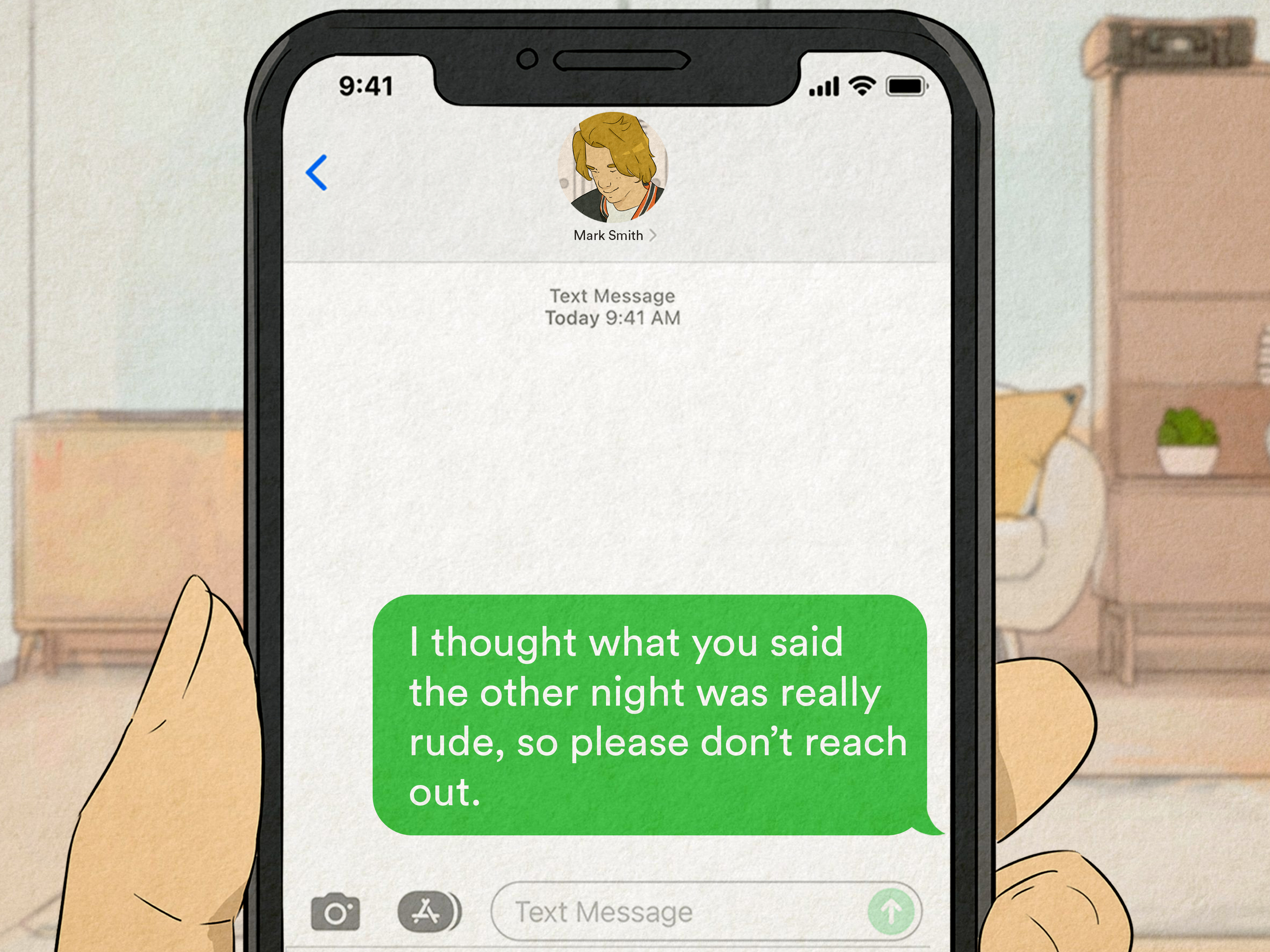
A fling can begin with two drinks, three inside jokes, and a suspiciously optimistic amount of late-night texting. Ending it mayal memoir, or accidentally suggest that you are available again next Tuesday. You simply want to say, kindly and unmistakably, “This has run its course.”
For a brief, casual relationship, ending a fling over text can be appropriate. Texting makes sense when you have met only a few times, most of the connection happened through messages, distance makes meeting impractical, or direct contact feels unsafe. A longer, emotionally significant relationship generally deserves a call or face-to-face conversation when safety permits. The method should match the depth of the relationshipnot your desire to escape thirty seconds of awkwardness.
Research synthesis: APA, Gottman Institute, Cleveland Clinic, Emily Post Institute, Healthline, Planned Parenthood, loveisrespect, Psych Central, Psychology Today, Verywell Mind, SELF, and Pew Research Center. to End a Fling over Text?
A text breakup is not automatically cruel, and an in-person breakup is not automatically noble. Context matters. If you went on two dates and exchanged memes for ten days, arranging a formal summit in a coffee shop may feel unnecessarily dramatic. If you dated for six months, met each other’s families, and negotiated shared streaming profiles, a two-line message may feel dismissive.
Texting is usually reasonable when:
- You have been on only a few dates.
- The relationship was clearly casual or mostly physical.
- You primarily communicated through messages.
- You live far apart or cannot reasonably meet soon.
- You expect manipulation, harassment, anger, or an unsafe reaction.
Consider calling or meeting when:
- You have dated consistently for several months.
- You agreed to exclusivity or discussed a future together.
- The relationship became emotionally significant.
- You share belongings, finances, work connections, or close social circles.
Safety always outranks etiquette. If someone has threatened you, ignored your boundaries, pressured you sexually, stalked you, or made you fear their reaction, use the safest method available. Keep the message short, tell trusted people what is happening, save threatening communications, and block further contact when needed.
Safety guidance synthesized from loveisrespect, Planned Parenthood, SELF, and Cleveland Clinic. te a Polite Breakup Text
The best message for ending a fling contains four basic ingredients: acknowledgment, clarity, brevity, and a boundary. Think of it as an emotional exit sign. It does not need fireworks, decorative arrows, or a 14-paragraph explanation. It simply needs to show where the door is.
1. Begin with a human acknowledgment
Recognize the time you spent together. “I’ve enjoyed getting to know you” or “I had a good time with you” sounds warmer than dropping “We need to talk” into their afternoon like a piano falling from a cartoon window.
2. State the decision clearly
Use direct language such as “I don’t want to continue dating,” “I don’t feel the connection I’m looking for,” or “I think it’s best to end this here.” Avoid saying that you are merely busy when you actually mean permanently unavailable for this particular romance.
Vagueness may seem gentle, but it can create false hope. The recipient should not need a detective board, six screenshots, and several yards of red string to determine whether you have broken up.
3. Use “I” statements
Focus on your experience and decision instead of listing the other person’s shortcomings. “I don’t think we’re the right match” is cleaner than “You discuss cryptocurrency too often and chew like a wood chipper.”
Neutral language helps you remain honest without turning the message into a character review. You are ending a connection, not submitting performance feedback to human resources.
Communication guidance on I-statements, neutral language, boundaries, and respectful openings. e explanation proportional
A casual fling does not require a legal brief. Give an honest reason when it is helpful, but do not overexplain simply to relieve your guilt. A lengthy explanation creates individual points the recipient may attempt to challenge: “I can text less,” “I can be more spontaneous,” or “My mother says she will stop accompanying us on dates.”
5. Finish with a boundary
Explain what happens next. You may wish them well and end contact, arrange to return an item, or say that you need space. Boundaries describe what you will do; they are not threats designed to control someone else.
Afterward, avoid sending lonely midnight messages that reopen the connection. That is not closure. That is an unnecessary sequel.
12 Examples of How to End a Fling over Text
1. A simple, respectful breakup text
“Hey, I’ve enjoyed spending time with you, but I don’t feel the kind of connection I’m looking for. I don’t want to keep dating and give you the wrong idea. I wish you the best.”
Why it works: It is warm, clear, and final without blaming either person.
2. After one or two dates
“Thanks again for meeting up. You seem great, but I didn’t feel a romantic match, so I’m going to leave it here. Take care.”
Why it works: A short connection deserves courtesy, not an eight-episode farewell documentary.
3. When the chemistry is missing
“I’ve had fun getting to know you, but I’m not feeling the chemistry I need to continue. I wanted to be honest rather than slowly disappear. I hope you find someone who is a better match.”
Why it works: It names the issue without treating attraction as a flaw they need to correct.
4. When you want different things
“I’ve realized we’re looking for different things. I’m ready for something more serious, and continuing this casual arrangement isn’t right for me. I’ve enjoyed our time together and wish you well.”
Why it works: Different goals are a valid reason to leave. Nobody has to become the villain.
5. When you are not ready to date
“I need to be honest that I’m not in a place to keep dating right now. I don’t want to continue while feeling uncertain or unavailable, so I’m ending things here. Thank you for understanding.”
Why it works: It takes responsibility without offering a misleading “maybe later.”
6. When the fling is becoming too intense
“I feel this connection is moving faster and becoming more intense than I’m comfortable with. I don’t want to continue dating, and I need to step back completely. I wish you the best.”
Why it works: It communicates your limit and makes the next step unambiguous.
7. When your communication styles do not match
“I’ve enjoyed getting to know you, but I don’t think our communication styles are a good fit. I’ve decided not to continue seeing each other. I appreciate the time we shared and wish you well.”
Why it works: It is specific enough to feel sincere but not detailed enough to start a courtroom cross-examination.
8. When you have chosen to date someone else
“I want to be upfront that I’ve decided to pursue another connection exclusively. Because of that, I won’t continue dating other people. I appreciated getting to know you and wish you all the best.”
Why it works: It tells the truth without comparing two people or announcing rankings like a talent show.
9. When ending a friends-with-benefits arrangement
“I’ve thought about our arrangement, and it no longer feels right for me. I’m going to end the physical side of our relationship and take some space. I appreciate the good times and hope you can respect my decision.”
Why it works: Consent, comfort, and personal boundaries can change at any time. A previous yes is not a permanent subscription.
Sources support ongoing consent, communication, and respect for changing sexual boundaries. ou genuinely want to remain friends
“I like you as a person, but I don’t feel a romantic connection growing. I’d be open to friendship after some space, but I understand if that isn’t something you want. Either way, I don’t want to continue dating.”
Why it works: The friendship offer is optional rather than a consolation prize. Include it only when you mean it.
11. When they keep pushing after the breakup
“I understand that you’re disappointed, but my decision is final. I’m not going to continue discussing or dating. Please respect my boundary and do not contact me again.”
Why it works: Polite does not mean endlessly available. You are not required to renegotiate a decision you have already made.
12. When personal safety is a concern
“This relationship is over. I do not want further contact. Do not come to my home or workplace. I will not respond to additional messages.”
Why it works: In an unsafe situation, clarity and protection matter more than warmth. Do not include unnecessary information that could increase your risk.
Mistakes to Avoid When Ending a Casual Relationship
Do not ghost merely to avoid discomfort
Ghosting means abruptly cutting off communication without explanation. It can leave the other person uncertain about whether the connection has actually ended. Although direct rejection can hurt, it gives the recipient a definite answer instead of leaving them to interpret silence.
A respectful goodbye may take only three sentences. That is a small investment in basic decencyunless communication would put your safety at risk.
Research and clinical sources describe ghosting as ambiguous and potentially distressing, while recognizing safety-related exceptions. d mixed signals
Avoid saying, “I can’t date right now, but perhaps we can continue sleeping together and see what happens.” If you are ending the fling, make the ending recognizable.
Do not blame, insult, or diagnose
You may have legitimate frustrations, but a breakup text is not the place to announce that someone is a narcissist, emotionally unavailable, or exactly like your ex but with worse shoes. State your decision without attacking their identity.
Do not invent an elaborate excuse
You do not need to create a sudden work emergency, family crisis, or spiritual calling to a remote mountain. A lack of compatibility is a complete reason. A false excuse can unravel later and make the ending feel more disrespectful.
Do not debate endlessly
The recipient may ask questions, bargain, or promise to change. You can answer one sincere question, but you do not have to win their agreement. Continuing a relationship requires two willing people; ending it requires only one clear decision.
Do not choose an unnecessarily cruel time
When practical, avoid sending the message during an important meeting, family celebration, examination, birthday dinner, or at 2:13 a.m. Choose a time when the person is likely to be awake and able to read it privately.
What to Do After Sending the Text
Put your phone down for a few minutes. You do not need to stare at the typing bubble as though it is the final scene of a thriller. Give the other person time to process the message.
If they reply respectfully, acknowledge their response while remaining consistent. If they ask a reasonable question, a brief answer may help: “There wasn’t one specific incident; I simply don’t see this developing further.”
If they insult you, pressure you, repeatedly demand another chance, or continue contacting you after you have said no, stop responding. Block them when necessary. Clear boundaries are not rude, particularly when someone refuses to accept your decision.
Pew Research and health guidance document unwanted continued contact as a common dating concern and recommend firm boundaries. not restart the fling because you feel guilty, bored, lonely, or impressed by a newly posted photograph. Ending kindly means allowing the ending to remain an ending.
Experiences and Lessons from Ending a Fling by Text
People often imagine that the hardest part of ending a fling is finding the perfect sentence. In practice, the harder task is accepting that no sentence can prevent every uncomfortable feeling.
A common experience involves rewriting the text for several days and softening every verb until the message communicates almost nothing. The sender finally writes, “I’m not sure what I’m looking for right now.” The recipient reasonably answers, “Does that mean we’re still meeting Friday?”
The lesson is simple: excessive softness can accidentally become dishonesty. Kindness needs a backbone. “I don’t want to continue dating” may feel sharper, but it prevents confusion and gives both people a definite next step.
Another frequent situation is a relationship that was casual to only one person. Perhaps you met each weekend, texted every morning, slept together regularly, and never officially defined the connection. You may think, “We were never serious,” while the other person experienced a steady pattern of intimacy and attention.
In that case, a cold dismissal can feel shocking. The label matters less than the behavior. When the fling has gained emotional weight, acknowledge it: “I know we’ve spent a lot of time together, and I don’t take that lightly.” You still have every right to leave, but recognizing the relationship’s significance makes the message more humane.
Then there is the guilt boomerang. You send a clear goodbye, the other person responds sadly, and you immediately begin comforting them with heart emojis, nostalgic jokes, and “maybe someday.” Ten minutes later, the fling is somehow alive again, wearing a tiny medical bracelet and asking whether you are free Saturday.
Compassion does not require reversing your decision. A more consistent reply is: “I understand that this hurts, and I’m sorry. I don’t want to confuse things by continuing the conversation, so I’m going to step back now.”
Some endings are surprisingly peaceful. One person sends a direct, considerate message, and the other responds, “I felt it too. Good luck.” There is no thunder, broken furniture, or dramatic rainstorm outside the window. These experiences demonstrate that clarity can sometimes provide relief to both people.
The other person may already have noticed the slower replies, canceled dates, and mysteriously crowded schedule. A truthful message saves both of you from continuing a connection that neither person is fully enjoying.
Other endings reveal why leaving was necessary. The recipient may ignore a clear no, send dozens of messages, contact friends, or arrive at your home. At that point, politeness has completed its shift. You do not owe repeated explanations.
Save evidence of harassment or threats, tell people you trust, review your privacy settings, and seek professional or legal assistance when stalking or violence is a concern. Safety planning is not an overreaction. It is a response to the behavior actually occurring, rather than the version of the person you hoped to see.
The most useful experience-based lesson is to write the kind of message you would want to receive without assuming responsibility for every emotion it causes. Be honest without being brutal, brief without being icy, and firm without becoming theatrical.
You are not auditioning for the role of Perfect Ex-Fling. You are closing a small chapter with as much maturity as the situation allows.
Conclusion: Clear Is Kinder Than Confusing
Learning how to end a fling over text is mainly about balancing compassion with certainty. Acknowledge the connection, state your decision, offer only the explanation that is genuinely useful, and establish a clear boundary.
Do not ghost merely to avoid an awkward conversation, but use distance, blocking, and outside support whenever safety is a concern. Your breakup text does not have to make the other person happy. It should make your meaning unmistakable.
A polite ending may sting temporarily, but an ambiguous half-ending can leave both people emotionally circling the parking lot. Send the honest message, remain consistent afterward, and allow each of you to move toward a healthier match.
Note: These examples are general communication templates. Adjust the wording according to the length of the relationship, shared responsibilities, and any personal safety concerns.













