
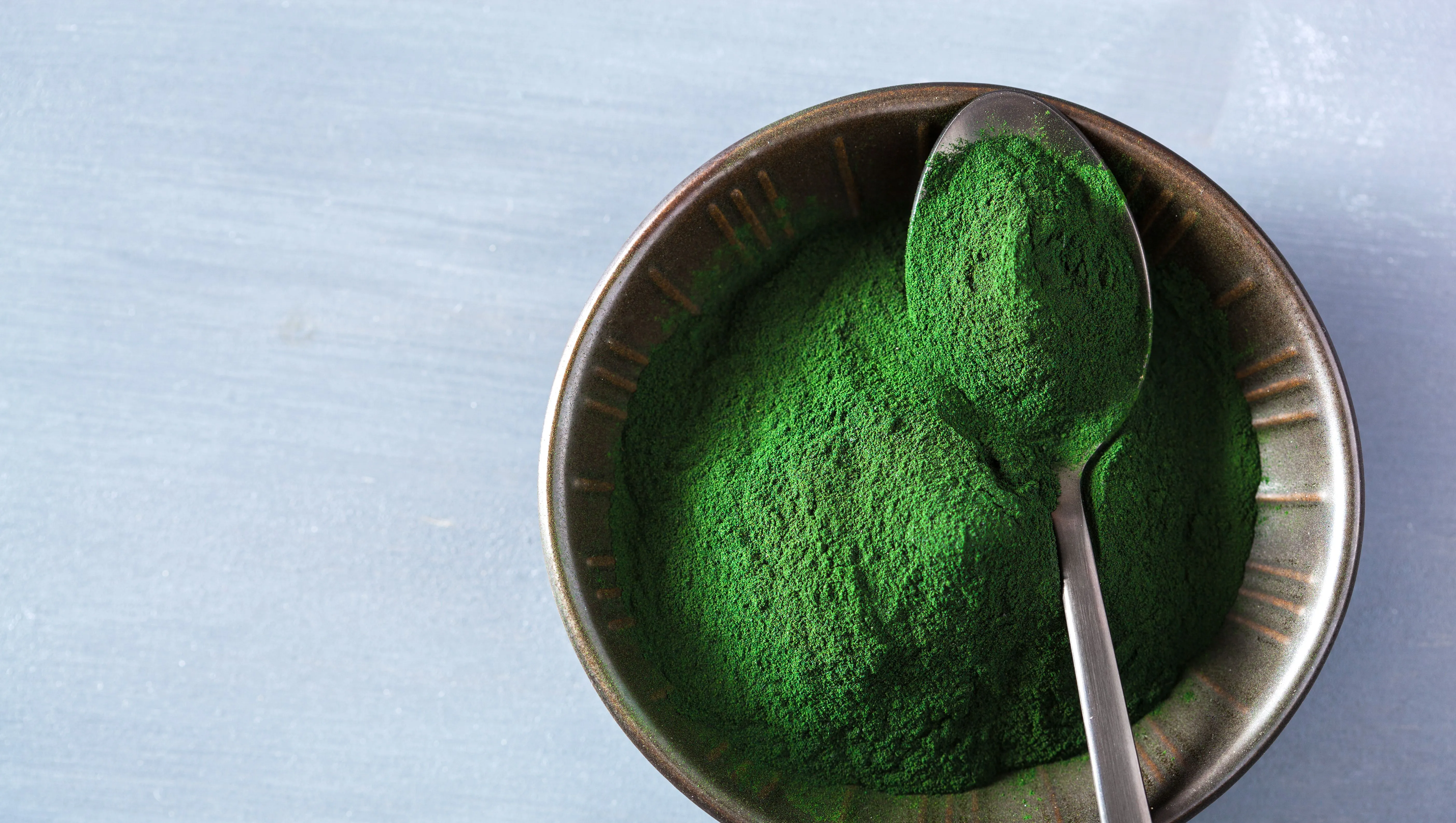
Chlorella and spirulina have become the emerald celebrities of the supplement aisle. They show up in smoothies, capsules, “detox” powders, protein blends, wellness shots, and those suspiciously green drinks that look like swamp water but cost $11. To be fair, both algae contain nutrients. Chlorella is a freshwater green algae, while spirulina is a blue-green algae commonly sold as a protein-rich dietary supplement. The problem is not that every scoop is dangerous. The problem is that “natural,” “green,” and “ancient superfood” do not automatically mean safe, clean, well-studied, or right for your body.
The harmful effects of chlorella and spirulina can range from mild stomach drama to more serious concerns involving contamination, liver stress, allergic reactions, medication interactions, and immune system complications. For healthy adults using a tested product in modest amounts, side effects may be minor. But for people taking blood thinners, immunosuppressants, diabetes medication, or those with autoimmune disease, pregnancy, liver disease, kidney disease, allergies, or phenylketonuria, these supplements deserve a much closer look.
This guide breaks down the real risks without the internet panic parade. No, chlorella is not secretly plotting world domination from your blender. But yes, there are good reasons to read the label, check the testing, and talk to a healthcare professional before turning your breakfast into a laboratory-grade algae ceremony.
What Are Chlorella and Spirulina?
Chlorella is a single-celled green algae often sold as tablets, capsules, or powder. It is marketed for “detox,” cholesterol support, immune health, and general nutrition. It contains protein, fiber, vitamins, minerals, and chlorophyll, which explains its deep green color and its ability to make smoothies look like they were blended by a lawn mower.
Spirulina is a type of cyanobacteria, often called blue-green algae. It is promoted for protein, antioxidants, energy, immune support, and athletic performance. Because it is high in protein and pigments such as phycocyanin, spirulina has a reputation as a nutrient-dense supplement. That reputation, however, sometimes outruns the quality of the evidence and the quality control of the product itself.
In the United States, chlorella and spirulina are usually sold as dietary supplements, not prescription drugs. That matters because dietary supplements are regulated differently from medicines. The FDA does not approve dietary supplements for safety and effectiveness before they are sold. Manufacturers are responsible for making sure their products are safe and properly labeled. Translation: the bottle may look official, but it has not passed the same pre-market review as a drug.
Common Side Effects: The Stomach Usually Complains First
The most common harmful effects of chlorella and spirulina are digestive. People may experience nausea, gas, bloating, diarrhea, stomach cramps, or changes in stool color. Chlorella is especially known for causing green stools. This can be harmless, but it can also be alarming if you were not expecting your bathroom visit to look like a science fair project.
Digestive side effects may happen because algae supplements are concentrated, fiber-rich, and often taken in doses much larger than someone would naturally eat in food. Taking them on an empty stomach may increase discomfort. Some people also start with too much too quickly, assuming that if one teaspoon is good, three tablespoons must unlock enlightenment. Usually, it unlocks gas.
Possible digestive symptoms include:
- Nausea or queasiness
- Bloating and gas
- Loose stools or diarrhea
- Stomach cramps
- Green-colored stools
- Headaches or fatigue in some users
If symptoms stop after discontinuing the supplement and return after restarting it, that is a practical sign your body may not be thrilled with the algae experiment.
Contamination: The Biggest Safety Concern
One of the most serious risks linked to spirulina and other blue-green algae products is contamination. Depending on how and where algae are grown, harvested, processed, and tested, products may contain unwanted substances such as microcystins, heavy metals, bacteria, or other toxins.
Microcystins are toxins produced by certain cyanobacteria. They are not “just a little impurity.” At significant levels, microcystins can damage the liver and kidneys. In animal studies, they have also been associated with tumor formation. This is why quality testing matters so much for blue-green algae products.
Heavy metals are another concern. Algae can absorb substances from the water where they grow. If that water is contaminated, the algae may concentrate metals such as lead, mercury, arsenic, or cadmium. A supplement that is supposed to make you feel clean and vibrant should not come with a side quest called “accidental toxic exposure.”
Why product quality varies
Not every spirulina or chlorella product is grown in the same conditions. Some are cultivated in controlled environments, while others may come from sources with weaker quality oversight. Powdered green supplements may also combine multiple ingredients, making it harder to know what caused a reaction. The more dramatic the marketing claim, the more boring and practical your response should be: look for third-party testing.
Liver and Kidney Risks
The liver and kidneys help filter and process substances entering the body. If a chlorella or spirulina product is contaminated with microcystins, heavy metals, or harmful microbes, these organs may be placed under extra stress. Most healthy people will not experience liver or kidney damage from a reputable, tested product used as directed, but the risk becomes more important for people who already have liver disease, kidney disease, compromised immunity, or who take multiple medications.
Warning signs that should not be ignored include yellowing of the skin or eyes, dark urine, severe abdominal pain, persistent vomiting, unusual fatigue, swelling, confusion, or reduced urination. These symptoms are not “detox reactions.” They are reasons to stop the supplement and seek medical care.
Medication Interactions: Small Green Tablet, Big Complication
One of the most overlooked harmful effects of chlorella and spirulina is the potential for drug interactions. Supplements can affect how medications work, and medications can affect how the body responds to supplements.
Chlorella and blood thinners
Chlorella may contain significant amounts of vitamin K. This matters for people taking warfarin, a blood thinner whose effect is influenced by vitamin K intake. A sudden increase in vitamin K-rich supplements may reduce warfarin’s effectiveness and make blood clot control less stable. If you take warfarin or another anticoagulant, do not casually add chlorella because someone online said it “cleans the blood.” Your blood does not need a lifestyle influencer; it needs consistent medical management.
Spirulina and immune-related drugs
Spirulina may have immune-modulating effects. That sounds positive in supplement advertising, but it can be a problem for people taking immunosuppressant drugs or managing autoimmune conditions. A supplement that “stimulates” or “supports” immune activity may not be appropriate when your doctor is trying to calm immune overactivity.
Diabetes medications
Some algae supplements are promoted for blood sugar support. If chlorella or spirulina affects blood glucose in a person who also takes insulin or diabetes medication, there may be a risk of blood sugar dropping too low. This does not mean everyone with diabetes must avoid them forever, but it does mean the decision should be made with medical guidance, monitoring, and common sense.
Autoimmune Disease Concerns
People with autoimmune conditions such as lupus, rheumatoid arthritis, multiple sclerosis, dermatomyositis, or other immune-mediated diseases should be cautious. Spirulina has been discussed in medical literature for possible immune-stimulating or immune-modifying effects, and case-based reports have raised concerns about autoimmune flares in some individuals.
This is not proof that spirulina causes autoimmune disease in everyone. But it is enough to say: if your immune system already behaves like an overexcited security guard tackling innocent guests, do not add a supplement that might encourage it to yell louder without asking your clinician first.
Allergic Reactions and Sensitivities
Chlorella and spirulina can cause allergic reactions in sensitive individuals. Symptoms may include itching, hives, rash, swelling, wheezing, shortness of breath, dizziness, or throat tightness. Severe allergic reactions are rare, but they can happen with supplements just as they can happen with foods.
People with seafood allergies, mold sensitivities, or multiple supplement allergies should be especially cautious, although algae are not the same as shellfish. The bigger issue is that supplement blends may contain extra ingredients, flavorings, fillers, or cross-contaminants that are not obvious at first glance.
PKU, Pregnancy, Breastfeeding, and Children
Spirulina is protein-rich and may contain phenylalanine, an amino acid that people with phenylketonuria, or PKU, must carefully restrict. Anyone with PKU should avoid high-protein supplements unless specifically approved by a metabolic specialist or dietitian.
Pregnant and breastfeeding people should also be cautious. The main concern is not that every algae supplement is proven harmful during pregnancy; it is that contamination risk, inconsistent product quality, and limited safety data make casual use unwise. The same goes for children. A small adult dose can be a much larger exposure for a child’s body weight, and children are less able to explain early symptoms clearly.
The “Detox” Problem: Marketing That Gets a Little Too Excited
Chlorella is often sold as a detox supplement, especially for heavy metals. Spirulina is often marketed as a cleansing, energizing, immune-boosting superfood. These claims are appealing because they make health sound simple: swallow green powder, remove modern life. Unfortunately, biology is not a carpet stain commercial.
Your body already has detox systems: the liver, kidneys, lungs, digestive tract, skin, and lymphatic system. If those systems are working, they do not need a neon-green powder to clock in for the afternoon shift. If those systems are not working, a supplement is not a substitute for medical care.
Another problem with detox marketing is that it can cause people to misread side effects. Nausea, diarrhea, headaches, and fatigue are sometimes described online as “toxins leaving the body.” In reality, they may simply be adverse reactions. Calling every unpleasant symptom a detox reaction is like calling a flat tire “car transformation.” It sounds spiritual, but you still cannot drive.
Who Should Be Extra Careful or Avoid These Supplements?
Chlorella and spirulina are not automatically dangerous for everyone. Still, some groups should be especially cautious or avoid them unless a healthcare professional says otherwise.
- People taking warfarin or other blood thinners
- People taking immunosuppressant drugs
- People with autoimmune diseases
- People with liver or kidney disease
- Pregnant or breastfeeding people
- Children unless supervised by a clinician
- People with PKU
- People with severe allergies or prior supplement reactions
- People taking diabetes medication
- Anyone undergoing cancer treatment or complex medical therapy
How to Reduce the Risk If You Still Want to Use Them
If you choose to take chlorella or spirulina, treat them like concentrated supplements, not harmless salad dust. Start with a low dose, avoid combining several new supplements at once, and monitor how you feel. Buy from brands that provide third-party testing for contaminants, especially microcystins and heavy metals. Look for verification from recognized organizations such as USP, NSF, or ConsumerLab when available.
Practical safety tips
- Choose products tested for heavy metals, microcystins, and microbes.
- Avoid wild-harvested blue-green algae unless testing is clearly documented.
- Do not use chlorella or spirulina as a replacement for medication.
- Ask your doctor before use if you take prescription drugs.
- Stop using the product if you develop severe digestive symptoms, rash, breathing problems, jaundice, or unusual fatigue.
- Be skeptical of claims that sound like a miracle wearing a green cape.
Real-World Experiences: What People Often Learn the Hard Way
Many experiences with chlorella and spirulina start the same way: someone wants more energy, better digestion, clearer skin, or a simple “wellness upgrade.” They buy a green powder, add a heroic scoop to a smoothie, and wait for vitality to arrive wearing yoga pants. Sometimes nothing dramatic happens. Sometimes they feel fine. And sometimes, within a few hours, their stomach begins filing a formal complaint.
A common experience is digestive surprise. A person may take chlorella tablets before breakfast and notice bloating, nausea, or urgent bathroom trips. Because the product is marketed as cleansing, they may assume this is proof it is working. In reality, the body may be saying, “Please stop sending algae confetti into the digestive system.” Reducing the dose or taking it with food may help some people, but persistent symptoms are a sign to discontinue.
Another real-life pattern involves stacking supplements. Someone may take spirulina with a multivitamin, greens powder, protein shake, herbal immune blend, and three things recommended by a fitness podcaster with suspiciously perfect lighting. When headaches, diarrhea, itching, or fatigue appear, it becomes nearly impossible to identify the cause. The best approach is boring but effective: introduce one supplement at a time and keep notes.
Medication users can run into more serious problems. A person on warfarin, for example, may add chlorella because it sounds natural and nutritious. But if vitamin K intake changes suddenly, anticoagulant control may be affected. The lesson is simple: supplements are not invisible to your medication plan. Your pharmacist should know about them, even if the bottle has leaves on the label and looks friendlier than a prescription vial.
People with autoimmune disease may also have mixed experiences. One person may tolerate spirulina without obvious problems, while another may notice increased joint pain, skin flares, fatigue, or inflammatory symptoms after starting it. That does not prove spirulina is the villain in every case, but it does justify caution. When the immune system is already complicated, “immune boosting” is not always a benefit. Sometimes the goal is immune balance, not immune volume.
Then there is the product-quality lesson. Two spirulina powders can look similar online but differ dramatically in sourcing, testing, and contamination control. The cheaper one may not be the bargain it appears to be if it lacks testing for microcystins, heavy metals, and bacteria. With algae supplements, the question is not just “What is the ingredient?” It is also “Where was it grown, how was it processed, and who verified what is actually inside?”
The most useful experience many consumers share is this: the benefits are often subtle, but the side effects can be obvious. If a supplement makes you feel worse, you do not need to prove you are tough enough to continue. Wellness is not a contest to see who can tolerate the most stomach cramps in the name of chlorophyll.
Conclusion: Green Does Not Always Mean Gentle
Chlorella and spirulina may offer nutrients, but they also carry real risks. The harmful effects of chlorella and spirulina include digestive upset, allergic reactions, possible medication interactions, immune system concerns, contamination with microcystins or heavy metals, and special risks for pregnant people, children, people with PKU, and those with liver, kidney, autoimmune, or bleeding-related conditions.
The smartest approach is balanced skepticism. Do not fear every algae supplement as if it crawled out of a radioactive pond. But do not treat it like magic green fairy dust either. Choose tested products, avoid exaggerated detox claims, start slowly if appropriate, and involve a healthcare professional if you have medical conditions or take medication. Your smoothie can be green without your judgment becoming cloudy.
Medical note: This article is for informational purposes only and does not replace professional medical advice. If you are pregnant, breastfeeding, managing a health condition, or taking medication, consult a qualified healthcare provider before using chlorella, spirulina, or any algae-based supplement.













