
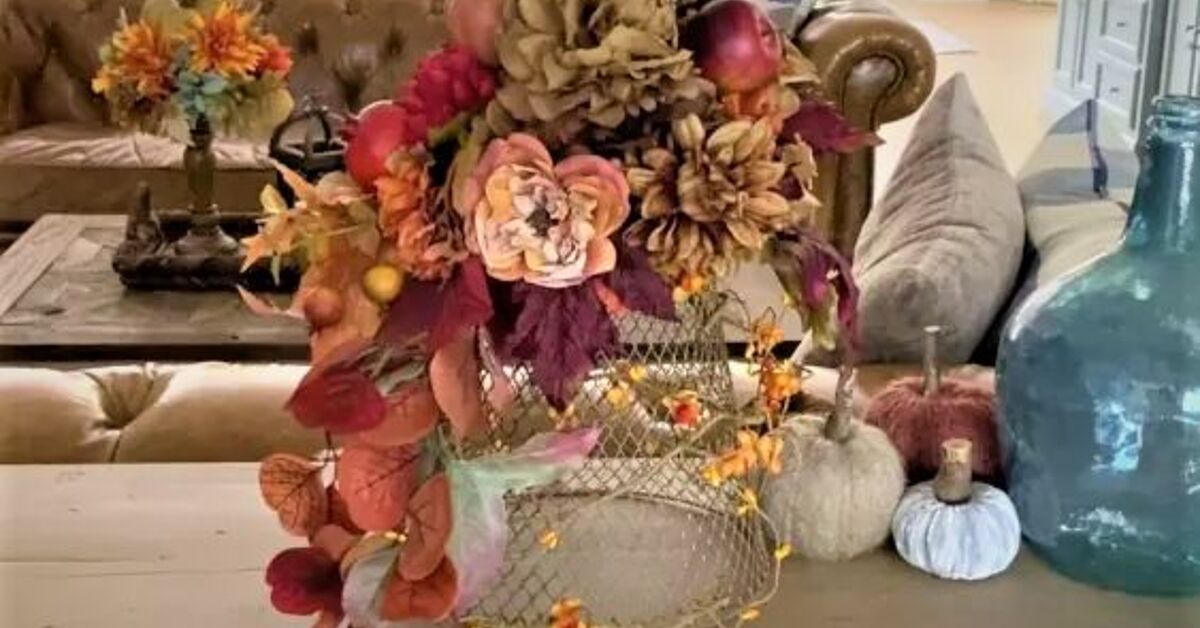
Fall decorating has a sneaky reputation for getting expensive. One minute, you are buying a charming little pumpkin. The next, your shopping cart contains twelve velvet pillows, three lanterns, an artificial maple tree, and a decorative squirrel wearing spectacles.
Fortunately, creating a cozy autumn home does not require a barn-sized decorating budget. The best fall home decor ideas on a budget rely on small seasonal changes: warmer colors, softer textures, natural materials, gentle lighting, and a few thoughtfully placed pumpkins. Instead of redecorating every room, focus on the areas you use and see most often.
The following affordable fall decorating ideas were inspired by the practical, reusable, and nature-based approaches that became especially popular in 2022. Most can be completed with items you already own, inexpensive craft supplies, thrift-store treasures, or materials collected outdoors.
How to Decorate for Fall Without Overspending
Before buying anything, choose a simple fall color palette. Rust, mustard, burgundy, olive, brown, cream, and muted orange are classic choices, but you do not need to use all of them. Selecting two or three colors keeps the house looking coordinated and prevents the seasonal aisle from hypnotizing you into buying every object shaped like an acorn.
Next, shop your home. Wooden bowls, woven baskets, neutral blankets, glass jars, cutting boards, candles, books, and ceramic pitchers can all become part of an autumn display. Add a few natural elements, and ordinary household pieces suddenly look intentional.
18 Affordable Fall Home Decor Ideas
1. Decorate With Branches From the Yard
One of the cheapest fall centerpieces may be waiting outside. Collect an interesting branch with colorful leaves and place it in a tall vase, pitcher, or recycled glass bottle. A single oversized branch often looks more sophisticated than several small arrangements. Check it for insects before bringing it indoors unless your design theme is “surprise woodland ecosystem.”
2. Replace Pillow Covers Instead of Pillows
Buying complete decorative pillows every season takes money and valuable closet space. Keep your existing inserts and purchase or sew removable covers in fall colors. Plaid, velvet, corduroy, boucle, and chunky woven fabrics create instant warmth. Store the flat covers after Thanksgiving, and your linen closet will remain usable rather than becoming a pillow retirement village.
3. Layer a Cozy Throw Over the Sofa
A blanket may be the hardest-working item in affordable fall decor. Drape one across the arm of a sofa, fold it at the foot of a bed, or place it in a basket beside a reading chair. Choose a texture that contrasts with the furniture, such as cable knit against smooth leather or soft fleece against structured upholstery.
4. Make a Simple Grapevine Wreath
Start with an inexpensive grapevine wreath and attach dried leaves, small pinecones, faux berries, or ribbon using floral wire. Decorate only one side for a modern asymmetrical look. Because the base is reusable, you can remove the autumn materials later and redecorate it for winter, spring, or the next holiday involving suspicious amounts of glitter.
5. Create a Pumpkin Group Instead of Scattering Them
Three pumpkins grouped together usually make a stronger statement than ten tiny pumpkins scattered across ten surfaces. Mix different sizes, colors, and textures, but keep the collection visually connected. Place the group on a tray, porch step, entryway table, or hearth. This technique makes a small decorating budget appear much more generous.
6. Paint Inexpensive or Old Pumpkins
Give dated artificial pumpkins a second life with craft paint. Cream, charcoal, sage, terracotta, and metallic gold can look more polished than bright plastic orange. Mixing a little baking soda into matte paint creates a textured, pottery-like finish. This easy fall DIY is useful for thrifted decorations that have excellent shapes but unfortunate personalities.
7. Fill a Bowl With Natural Materials
Use a wooden bowl, dough bowl, basket, or shallow tray to display pinecones, acorns, small gourds, dried orange slices, apples, or walnuts. Combining several materials creates richer texture. Place the arrangement on a dining table or coffee table, leaving enough open space that guests can still put down a cup without negotiating with a decorative squash.
8. Style a Budget-Friendly Fall Mantel
Build a mantel display with items of different heights. Start with artwork or a mirror, add candlesticks or vases, and finish with a short garland or a few pumpkins. Use books as risers when an object needs extra height. Repeat one color two or three times to make unrelated items feel like part of the same collection.
9. Switch to Warm, Layered Lighting
Fall rooms feel cozier under several small light sources than under one bright ceiling fixture. Use table lamps, floor lamps, string lights, or battery-operated candles to create pools of gentle light. Warm-white bulbs are usually more inviting than cool-blue bulbs. Flameless candles are especially practical around children, pets, curtains, and relatives who gesture dramatically while telling stories.
10. Make a Thrifted Vase Collection
Search thrift stores for ceramic pitchers, amber bottles, brass containers, crocks, and small glass vases. Similar colors or materials can unite pieces that cost very little individually. Fill them with dried grasses, hydrangeas, wheat, eucalyptus, or bare branches. Empty vessels can also be grouped together as sculptural decor when flowers are unavailable.
11. Add an Autumn Table Runner
A table runner introduces seasonal color without requiring new dishes or furniture. Try plaid fabric, burlap, a folded blanket scarf, or a length of washable cotton. Place candles and a compact centerpiece along the middle. Keeping the arrangement low allows people to see one another during dinner, which is traditionally considered helpful for conversation.
12. Turn Grocery-Store Produce Into Decor
Apples, pears, pomegranates, miniature pumpkins, and colorful squash can become edible decorations. Arrange them in a bowl or place a small pear at each table setting. Unlike single-purpose ornaments, produce can eventually be eaten, composted, or cooked. That makes it one of the few decor purchases capable of becoming soup.
13. Frame Pressed Autumn Leaves
Collect attractive leaves, press them between heavy books, and display them in inexpensive frames. A row of three matching frames creates simple seasonal wall art. For a more casual project, tape leaves onto heavy paper before framing. Avoid collecting leaves from protected areas, private property, or the neighbor who watches the sidewalk like a security guard.
14. Update the Front Door With Ribbon
You do not necessarily need a new wreath. Refresh an existing wreath with a wide velvet, plaid, or rust-colored ribbon. The same ribbon can dress up a plain basket, lantern, mailbox, or porch planter. Choose wired ribbon if you want structured loops that survive wind and repeated door slamming.
15. Repurpose Baskets for Seasonal Storage
Woven baskets contribute natural texture while hiding practical clutter. Fill one with blankets beside the sofa, use another for firewood, or place a small basket near the entry for scarves. Add a plaid textile or a few faux branches to make the basket feel seasonal. Useful decor earns its storage space all year.
16. Use Dried Flowers Instead of Weekly Bouquets
Dried hydrangeas, wheat, bunny tails, eucalyptus, and ornamental grasses can last through the entire season. Their faded colors naturally complement autumn palettes, and they require no watering. Arrange one type of stem in a simple vessel for a clean look, or combine several textures for a loose, gathered-from-the-field appearance.
17. Build a Small Fall Porch Display
You do not need hay bales covering every square inch of the porch. Begin with a doormat, a reusable wreath, one planter, and a cluster of pumpkins. Varying the height makes the display look fuller, so use an overturned crate, stool, or sturdy basket as a riser. Keep walkways clear and choose weather-resistant materials.
18. Create a Cozy Reading Corner
Transform an overlooked chair into a seasonal retreat with a blanket, pillow, nearby lamp, and small table. Add a basket for books or magazines and a coaster for hot cider. The result feels like a substantial room update even though you are merely rearranging existing furniture and giving yourself an excellent excuse to avoid folding laundry.
Budget Fall Decorating Tips That Make a Home Look Polished
- Repeat materials: Use wood, brass, glass, or woven fibers in several areas to create visual continuity.
- Leave breathing room: Not every shelf, table, and windowsill needs seasonal decor.
- Choose reusable pieces: Trays, baskets, candleholders, blankets, and neutral wreath bases work beyond fall.
- Decorate high-impact areas first: Focus on the entryway, living room, dining table, and front porch.
- Mix real and artificial elements: Faux pumpkins can be reused, while real branches and produce provide natural variation.
- Set a fixed spending limit: Divide the budget among textiles, natural materials, lighting, and craft supplies before shopping.
My Experience Decorating for Fall on a Small Budget
The first time I tried to decorate an entire home for fall, I approached the project with the calm financial discipline of a raccoon entering an unattended pantry. I bought individual decorations because each item looked inexpensive. Unfortunately, twenty inexpensive items eventually become one surprisingly expensive receipt.
The house did look festive, but it also looked as though a pumpkin-themed gift shop had exploded in the living room. Every shelf held a sign, every table held a figurine, and several surfaces had become too decorative to perform their original jobs. The coffee table could no longer accommodate coffee. That should have been my first warning.
The following year, I gave myself a strict budget and began by unpacking everything I already owned. I found two neutral throws, several amber bottles, an old wooden tray, unused candles, a grapevine wreath, and pillow inserts from another season. None of these items looked particularly autumnal by themselves. Grouped with branches, pinecones, and two inexpensive pumpkin pillow covers, however, they created a surprisingly cohesive look.
The biggest improvement came from limiting the color palette. Instead of buying decorations in every shade associated with harvest season, I chose rust, cream, and dark green. The rule made shopping easier because I could immediately reject anything that did not fit. It also prevented a ceramic turkey wearing a pilgrim hat from following me home, although the turkey and I did share a meaningful moment in the store.
I spent most of the budget on items that could remain useful after Thanksgiving. A rust-colored throw worked throughout winter. Brass candleholders became part of the year-round dining room. A large woven basket stored blankets in fall and beach towels in summer. Seasonal character came from inexpensive materials such as leaves, branches, apples, and dried flowers.
I also learned that lighting changes a room more effectively than many decorative objects. Turning off the harsh overhead fixture and using two lamps plus flameless candles made the living room feel warmer almost immediately. Nothing new had been painted, installed, or financed over thirty-six months. The room simply became softer and more inviting.
The porch presented another useful lesson. My first instinct was to line every step with pumpkins, but fresh pumpkins can become expensive, heavy, and unexpectedly attractive to local wildlife. A smaller arrangement looked better: one planter, three pumpkins, a wreath, and a layered doormat. Using an old wooden crate added height without requiring more decorations.
Storage is now part of my purchasing decision. Before buying seasonal decor, I ask where it will live for the other nine months of the year. Flat pillow covers, ribbon, faux stems, and a collapsible garland are easy to store. Six oversized decorative pumpkins are less cooperative. Seasonal decorating should make a home feel comfortable, not force the homeowner to rent a storage unit.
The best result of decorating with a smaller budget was not merely spending less. The house felt calmer, more personal, and less like a retail display. Each arrangement contained something collected, reused, handmade, or genuinely useful. That combination created more warmth than buying an entire matching collection ever had.
My current routine is simple: shop the house first, collect natural materials second, visit thrift stores third, and buy new seasonal pieces last. By the time I reach the final step, I usually need only one or two items. The process saves money, reduces clutter, and leaves enough room in the budget for the most important fall purchase of all: snacks.
Conclusion
The best fall home decor ideas on a budget do not depend on purchasing dozens of trendy decorations. A few layered textiles, warm lights, natural branches, thrifted vessels, dried flowers, and grouped pumpkins can make a home feel ready for the season.
Start with one visible area, choose a limited color palette, and reuse items you already own. Your home will feel warmer, your storage closets will remain functional, and your bank account will not develop a personal grudge against autumn.












