
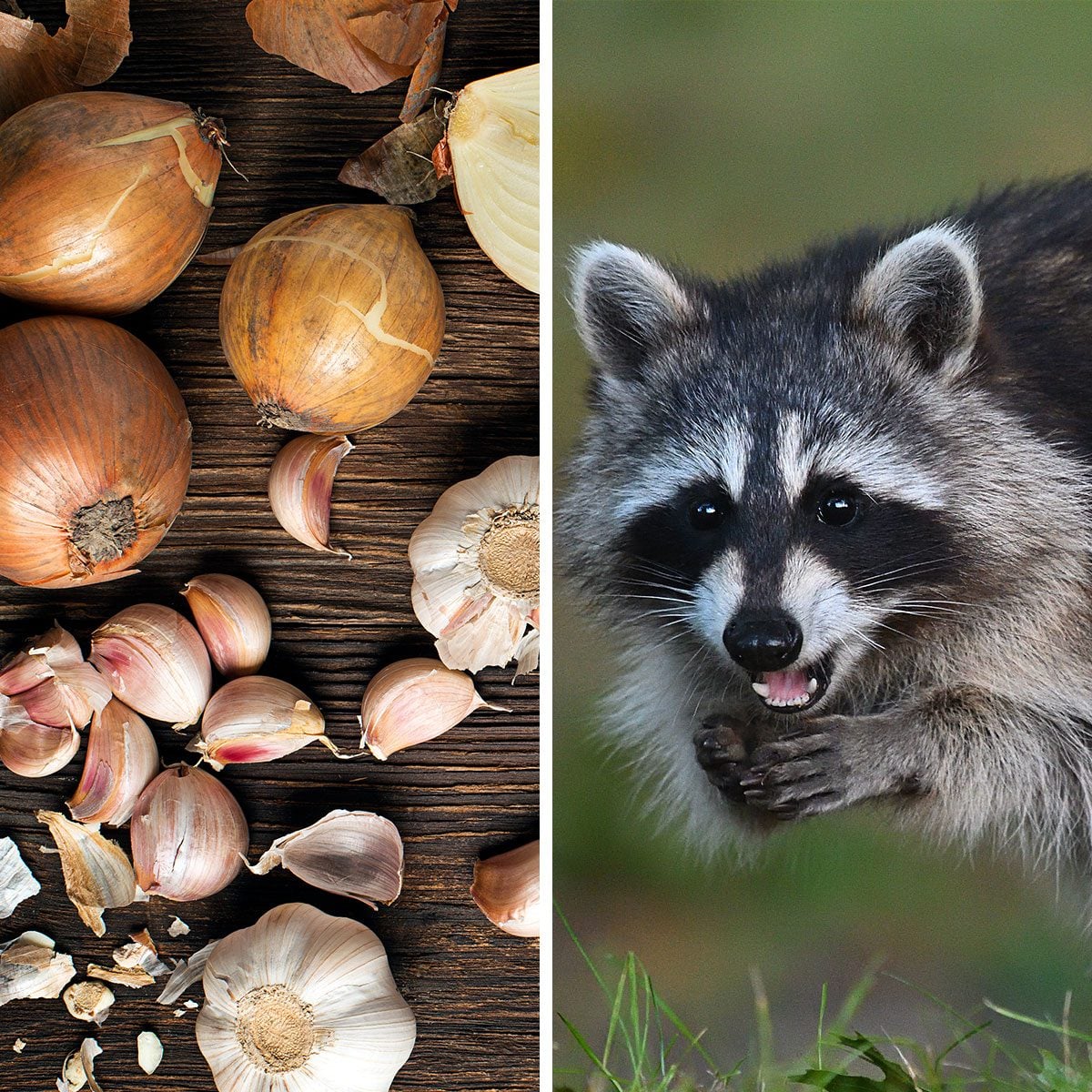
There is a special kind of optimism involved in placing a plastic owl beside a vegetable garden. You set it down, admire its stern expression, and imagine every rabbit, raccoon, squirrel, deer, and woodchuck holding an emergency meeting to discuss moving out of state.
Then Tuesday arrives, and a squirrel is sitting on the owl’s head.
Wildlife deterrents are marketed as easy solutions to complicated conflicts. Some make noises. Others flash, sparkle, vibrate, smell terrible, or resemble predators that appear to have graduated from a discount Halloween aisle. A few can reduce damage when used correctly. Many work only briefly, work only against certain species, or fail because they do nothing about the real attraction: food, water, shelter, or easy access.
This guide debunks 10 common wildlife-control myths, explains why popular remedies disappoint, and shows how to build a more effective, humane wildlife management plan.
Why Wildlife Deterrents Often Stop Working
Wild animals constantly evaluate risk and reward. A new sound, smell, or moving object may initially signal danger. If the animal returns several times without being harmed, however, that signal becomes background noise.
This process is called habituation. It explains why deer eventually browse beside blinking lights, birds perch on stationary owl decoys, and raccoons continue raiding garbage while a radio delivers the evening news.
Deterrents are most successful when they are unpredictable, activated by the animal’s presence, introduced before a feeding habit becomes established, and combined with exclusion or attractant removal. Oregon State University Extension notes that many deterrent products have not been rigorously tested and that animals commonly become accustomed to them, particularly when a desirable food source remains available.
1. Ultrasonic Devices Will Drive Away Every Animal
The claim
Plug in a small electronic box, let it broadcast high-frequency sound, and enjoy a yard free of rodents, deer, raccoons, rabbits, and possibly your neighbor’s mysterious midnight leaf blower.
The reality
Ultrasonic wildlife deterrents produce sounds above or near the upper range of human hearing. Their effectiveness varies by species, device quality, placement, surrounding structures, and the animal’s motivation.
Walls, furniture, vegetation, fencing, and terrain can block or weaken sound. Animals may also adapt when the noise is constant and is not followed by a genuine threat. University of Minnesota Extension reports that ultrasonic devices and several other novelty-based methods may create a temporary response, but wildlife often adapts quickly. Missouri Extension similarly describes high-frequency and ultrasonic sound as generally ineffective for controlling rats around homes and gardens.
What works better
Seal entry points, remove food sources, protect individual plants, and use species-specific barriers. An ultrasonic unit should be treated as a possible supporting tool, not an invisible force field.
2. A Plastic Owl or Scarecrow Provides Permanent Protection
The claim
Birds and small mammals will see a fake predator and remain terrified forever.
The reality
A realistic owl, hawk silhouette, or scarecrow can produce an immediate reaction because unfamiliar shapes may represent danger. Unfortunately, a motionless predator that never hunts, changes position, or reacts soon becomes suspiciously unthreatening.
Birds are observant. Once they determine that the plastic owl has not moved since Memorial Day, they may ignore it or use it as patio furniture. Visual deterrents are more useful when moved frequently and combined with motion, sound, reflective materials, or exclusion. Oregon State University Extension recommends rotating bird deterrents because repeated exposure encourages habituation.
What works better
Relocate visual devices every day or two, vary their height and orientation, and use them before birds establish nesting or feeding routines. For valuable fruit, netting or another physical barrier usually offers more dependable protection.
3. Predator Urine Creates an Impassable Scent Barrier
The claim
A bottle labeled “coyote urine” will convince every rabbit, deer, squirrel, and vole that a hungry predator has opened an office nearby.
The reality
Predator odors may trigger caution in some prey species, particularly when the scent is fresh and unfamiliar. Results are inconsistent, however. Rain, irrigation, sunlight, wind, and microbial activity weaken odors. Animals may also investigate the area and discover that no actual predator appears.
Effectiveness depends on the target species and its current level of hunger. An animal choosing between a faintly suspicious odor and a row of tender lettuce may decide that bravery is delicious.
Some extension recommendations recognize predator-based repellents as potentially useful, but they do not present them as guaranteed protection. Even effective deer repellents generally reduce browsing rather than eliminate it.
What works better
Use labeled, species-appropriate repellents before damage begins, reapply them as directed, and combine them with fencing, plant cages, or habitat modification.
4. Mothballs, Ammonia, or Bleach Are Safe Outdoor Repellents
The claim
If a chemical smells unpleasant to people, wildlife must hate it even more. Therefore, scattering mothballs or placing bowls of ammonia around the property should solve the problem.
The reality
This is not merely an unreliable strategy; it can create risks for children, pets, soil, wildlife, and indoor air. Mothballs are pesticides intended for specific labeled uses, typically in tightly sealed storage containers. They are not all-purpose animal-repellent candy.
UC Integrated Pest Management advises against using mothballs, naphthalene crystals, or household ammonia to repel opossums. The guidance warns that fumes may enter buildings and that chemicals may accumulate in soil. UC IPM also reports that mothballs, bleach, broken glass, lye, and similar mole remedies have not proved successful.
Pesticide labels must be followed carefully. A product should never be placed outdoors, in burrows, under buildings, or near food crops unless its label specifically permits that use.
What works better
Remove attractants, close den openings only after confirming that no animals are inside, and use approved exclusion materials. Contact a wildlife professional when animals occupy walls, attics, crawl spaces, or chimneys.
5. Human Hair, Dryer Sheets, and Bar Soap Stop Deer
The claim
Strategically distributed hair clippings, strongly scented soap, or dryer sheets will surround the garden with an invisible cloud of humanity that deer refuse to cross.
The reality
These materials may temporarily introduce an unfamiliar odor. That does not make them durable deer control. Scent fades, rain washes materials, and deer learn that the smell is not attached to a moving human.
Results also change with food pressure. A lightly browsing deer with many alternatives may avoid a treated plant. A hungry deer during winter or drought may regard scented soap as an appetizer garnish.
University of Minnesota Extension includes human hair and dryer sheets among deterrents that may work briefly before animals adapt. Extension guidance generally treats odor-based area repellents as temporary measures rather than replacements for fencing.
What works better
Protect high-value plants with sturdy cages or fencing. For larger gardens, properly designed deer fencing is far more reliable. Apply registered repellents early and alternate products when label directions allow.
6. Homemade Hot-Pepper and Garlic Sprays Work Everywhere
The claim
A heroic mixture of cayenne pepper, garlic, dish soap, and determination will protect every plant from every herbivore.
The reality
Capsaicin and strong odors may discourage some animals from chewing treated vegetation. Homemade mixtures, however, vary wildly in concentration and persistence. They can wash away, irritate skin and eyes, damage tender foliage, or contaminate produce if used carelessly.
Different species also react differently. A spray that discourages a rabbit may do little to a determined raccoon. Some animals may avoid treated leaves while simply attacking untreated fruit, stems, or neighboring plants.
UC IPM notes that limited information is available about the effectiveness of garlic, hot pepper, peppermint oil, and clove oil products used as repellents.
What works better
Choose a commercially registered product labeled for the target animal and plant. Test it on a small section first, observe harvest restrictions, and reapply according to the label. Never spray irritants where children or pets may encounter them.
7. A Radio or Bright Light Will Permanently Evict Wildlife
The claim
Place a radio or work light near an animal’s den, and the unwanted tenant will pack immediately, presumably after complaining about the playlist.
The reality
Light and sound can make an enclosed space less comfortable for bats, skunks, raccoons, or other animals. They are most helpful when the animal has an alternative shelter and has not yet raised young.
Constant light and predictable sound lose their novelty. Penn State Extension notes that lights or radios may deter skunks in enclosed areas but do not have a high success rate.
Timing is also crucial. Sealing an opening while a mother is outside can trap young inside, creating an animal-welfare problem, odor problem, and frantic property-damage problem all at once.
What works better
Identify the species, determine whether dependent young are present, and use a properly installed one-way exclusion device at the appropriate season. Seal the opening permanently only after every animal has left.
8. One Motion-Activated Sprinkler Solves the Entire Yard
The claim
A single motion sprinkler will patrol the property like a damp security guard, chasing away every four-legged trespasser.
The reality
Motion-activated sprinklers can be genuinely useful. The sudden combination of movement, noise, and water provides an immediate consequence, making it more convincing than a static decoy.
Coverage still matters. Animals may approach from outside the sensor’s detection zone, learn the spray pattern, or wait until the device is turned off. Dense vegetation can interfere with sensors, while windblown branches may trigger enough false alarms to irrigate the sidewalk for three hours.
UC IPM reports that motion sprinklers can frighten opossums, skunks, and raccoons, but the response may last only a few days after a visiting habit is established. They tend to be more useful before animals become accustomed to the location.
What works better
Cover likely entry routes, reposition the sprinkler periodically, and pair it with fencing or removal of food. Consider it an active layer of defense, not the entire defense system.
9. Feeding Wildlife Elsewhere Keeps It Away From the House
The claim
If raccoons, deer, squirrels, or bears receive food at the edge of the property, they will eat politely over there and stop investigating the garden, garbage, porch, garage, and kitchen window.
The reality
Supplemental feeding often attracts more animals, increases repeated visits, concentrates wildlife, and teaches animals to associate people and buildings with food. Spilled birdseed can also attract rodents, which may attract predators.
Food-conditioned animals can lose their natural caution. The National Park Service warns that bears gaining access to human food and garbage may approach people, damage property, become dangerous, and ultimately require euthanasia. The U.S. Fish and Wildlife Service recommends securing trash, compost, pet food, water containers, and spilled birdseed to prevent accidental feeding.
What works better
Store garbage in secure containers, feed pets indoors, collect fallen fruit, clean grills, protect compost, and suspend bird feeding when it attracts dangerous or destructive wildlife.
10. Trapping and Relocating an Animal Permanently Solves the Problem
The claim
Capture the animal, release it in a pleasant patch of countryside, and conclude the story with cheerful woodland music.
The reality
Relocation is restricted or illegal for many species and locations. It can spread disease, separate adults from dependent young, move a conflict onto someone else’s property, and expose the animal to unfamiliar predators, territories, roads, and food shortages.
It also leaves the original invitation untouched. If an attic still has an open vent and comfortable nesting space, removing one squirrel merely advertises a vacancy.
Oregon State University Extension reports that translocated animals often have low survival because they lack knowledge of local shelter and food, may encounter territorial animals, and may attempt dangerous journeys back to their original range.
What works better
Correct the conditions that caused the conflict. Seal entrances, secure food, repair damaged vents, install chimney caps, protect crops, and follow state wildlife regulations. When removal is necessary, hire a qualified wildlife-control professional who uses legal and humane methods.
What Actually Makes Wildlife Deterrence Effective?
Identify the animal correctly
Tracks, droppings, entry holes, feeding patterns, and damage height can reveal the responsible species. Ragged browsing may suggest deer, while cleanly clipped stems may point toward rabbits or rodents. The wrong diagnosis produces the wrong solution.
Remove the reward
Secure trash, bring pet food indoors, harvest ripe produce, remove fallen fruit, clean spilled seed, and protect compost. Asking an animal to ignore free calories is rarely a winning negotiation.
Use physical exclusion
Well-designed barriers are usually more dependable than smells or sounds. Options include hardware cloth, garden fencing, tree guards, chimney caps, vent covers, buried fence aprons, electric fencing, and bird netting. The U.S. Fish and Wildlife Service describes physical barriers as a potentially permanent way to prevent nuisance birds from nesting in problem locations.
Act before the habit forms
A deer sampling one shrub is easier to discourage than a family group that has visited the same garden every evening for six weeks. Install protection before fruit ripens, young plants emerge, or seasonal nesting begins.
Combine and rotate tactics
Use several methods that engage different senses. Move visual devices, vary timing, change sprinkler positions, and reinforce temporary scare tactics with permanent exclusion.
Respect labels and wildlife laws
Repellent, trapping, relocation, and nest-removal rules vary by product, species, state, and season. Migratory birds, bats, and animals with dependent young may require special handling. When the legal or biological situation is uncertain, contact a state wildlife agency, Cooperative Extension office, or licensed wildlife-control operator.
Practical Experiences: What Wildlife Conflicts Teach Homeowners
The most common wildlife-deterrent experience begins with excitement. A homeowner discovers chewed hostas, overturned garbage, or tomatoes with suspicious bite marks. A device is purchased, installed, and watched with the intensity of a space launch.
For the first night or two, nothing happens. Victory is declared.
Then the animal returns.
This does not always mean the deterrent was fraudulent. It often means the device created surprise but did not change the underlying environment. A raccoon may retreat from a motion light on Monday, approach cautiously on Tuesday, and walk directly beneath it on Thursday after learning that illumination is not dangerous. Meanwhile, the garbage can remains easy to open.
Gardeners report a similar cycle with deer. Scented soap, hair, flashing tape, and homemade sprays may appear successful when natural food is abundant. During drought, winter, or periods of high deer pressure, those same plants can be eaten despite the odor. The lesson is not that every repellent is worthless. It is that hunger changes the animal’s risk calculation.
Another familiar experience involves the stationary owl. At first, smaller birds avoid the area. Within days, they resume feeding. Eventually, one lands beside the decoy. The homeowner concludes that birds are fearless, but the more accurate conclusion is that birds are excellent observers. A predator that never blinks, turns, hunts, or changes location is quickly reclassified as landscaping.
Motion sprinklers tend to produce more dramatic results because they react directly to an animal’s arrival. Yet placement determines success. One gardener may protect a narrow raised bed with a single unit, while another attempts to cover a large, irregular yard and leaves several unprotected approaches. Wildlife finds those gaps with the efficiency of water finding a leak.
Exclusion projects often deliver the biggest improvement. A rabbit problem that survives months of sprays may end after a fence is extended close to the ground. Repeated bird nesting may stop when access to a ledge is physically blocked. A raccoon cannot be persuaded to respect a motivational speech, but it can be prevented from opening a locking trash container.
Homeowners also learn that timing matters. Closing an attic entry after young animals are born can turn a manageable problem into an emergency. Applying deer repellent after plants have become a regular feeding site is less effective than protecting them before browsing begins. Installing bird netting after fruit is damaged is essentially placing a lid on an empty cookie jar.
The best experiences come from treating wildlife control as a process rather than a product. First identify the animal. Next remove food and shelter. Then block access. Finally, use deterrents to reinforce those changes. This approach is less glamorous than purchasing a solar-powered gadget labeled with six animal silhouettes, but it is far more likely to protect the property over time.
It also encourages coexistence. Most visiting animals are not attacking a home out of spite. They are responding to resources humans have unintentionally supplied. Once those resources become unavailable, many conflicts decline without poisoning, injuring, or repeatedly relocating wildlife.
Conclusion
Wildlife deterrents are not magic, and many are not completely useless either. Their value depends on the species, timing, placement, maintenance, and availability of food or shelter. Static objects and constant noises are easy to ignore. Unapproved chemical remedies may be hazardous. Feeding wildlife usually makes conflicts worse, while relocation may harm animals without correcting the property conditions that attracted them.
The strongest wildlife-control strategy combines accurate identification, attractant removal, physical exclusion, early intervention, and carefully rotated deterrents. In other words, make the property less rewarding instead of trying to convince a hungry raccoon that a plastic owl is in charge.











