
Some cities make you shop with a checklist. Seattle makes you shop with a mood. You leave the hotel planning to buy one practical thingmaybe socks, maybe a notebook, maybe a gift for that friend who somehow always remembers your birthdayand three neighborhoods later, you are carrying a bag of loose-leaf tea, a handmade ceramic bowl, a vintage jacket that looks suspiciously like it once belonged to a very stylish lighthouse keeper, and a paperback you absolutely did not need but emotionally required.
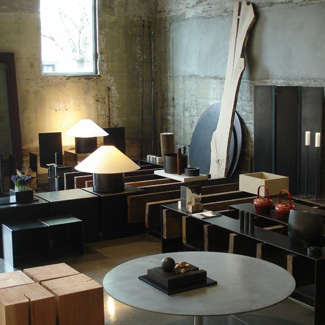
That is the spirit behind Shopper’s Diary: 3 x 10 in Seattle. The phrase “3 x 10” originally belonged to a Seattle design shop with an architect’s eye for proportion, utility, and beautiful restraint. It is also the perfect metaphor for shopping in this city: ordinary things, made better. A tote bag, but with better canvas. A lamp, but somehow moodier. A coffee mug, but one that makes your kitchen look like it has its own point of view.
Seattle shopping is not about loud luxury or frantic bargain-bin chaos. It is about texture, curation, neighborhood personality, and the thrill of finding something that feels local without screaming “airport souvenir.” In a city where bookstores still matter, public markets feel alive, and design-conscious people can discuss rain jackets with the seriousness of wine critics, shopping becomes a way of reading the place itself.
What “3 x 10” Really Means in a Seattle Shopping Story
The magic of the original 3 x 10 concept was simple: take the familiar and refine it. That approach still captures the best of Seattle retail culture. This is a city that loves useful beauty. Shoppers here are drawn to goods that feel intentionalsolid wood, clean lines, thoughtful packaging, quality denim, sturdy boots, ceramics with tiny imperfections that make them charming rather than defective. Seattle does not just ask, “Is it pretty?” Seattle asks, “Will it survive drizzle, daily use, and a complicated relationship with minimalism?”
That design-minded instinct shows up across the city. Even when you are browsing food stalls, records, books, stationery, or vintage furniture, the best finds often share the same DNA: practical, tactile, quietly cool, and just a little smug about being well made. Frankly, fair enough.
First Stop: Pike Place Market, Where Browsing Becomes a Full-Contact Sport
No Seattle shopping diary can skip Pike Place Market, because this is where the city turns commerce into theater. It is part grocery run, part people-watching Olympics, part edible treasure hunt. The market has that rare quality of being both wildly famous and still worth your time. Yes, it is busy. Yes, you may have to dodge cameras, umbrellas, and people suddenly stopping in the middle of the walkway as though they have been struck by a revelation involving salmon. But it works.
What makes Pike Place special is the mix. You can move from specialty foods to handmade crafts to little bookstores, then pivot into flowers, tea, spices, or small gifts that feel miles more personal than generic travel merch. This is the kind of place where one shopper leaves with locally made jam, another leaves with art prints, and a third leaves with six mystery sauces and a level of confidence no one asked for.
For design lovers, Pike Place is proof that utility and charm can share an address. For food lovers, it is heaven with samples. For everyone else, it is a gentle reminder that “I’m just looking” is one of the great lies of modern adulthood.
Second Stop: Ballard, the Neighborhood That Knows How to Accessorize
If Pike Place is Seattle’s civic stage, Ballard is the stylish cousin who says, “Oh, this old thing?” while wearing the exact jacket you wish you had found first. Ballard Avenue has the kind of shopping rhythm that encourages strolling. You are not here to sprint from one store to the next. You are here to browse, pause, coffee, continue, reconsider a candle, then buy the candle.
Old Ballard balances heritage and trend in a way that feels very Seattle. There is maritime history in the bones of the neighborhood, but the storefronts lean toward the polished, the handmade, and the charmingly offbeat. Vintage clothing, lifestyle shops, jewelry, paper goods, home accessories, and well-curated boutiques all fit neatly into the area’s walkable core.
And then there is the market energy. Ballard’s shopping identity works because it is not only retail. It is also food, street life, and that wonderful local feeling that the best purchase might be produce, pastries, or a bag of coffee beans. On a good day, Ballard feels like the sort of place where you accidentally become the person who says things like, “I only buy my honey from one specific stand.” Annoying? Possibly. Delicious? Absolutely.
Third Stop: Capitol Hill, for Books, Boutiques, and Main-Character Energy
Capitol Hill is where Seattle gets expressive. If Ballard is neat and curated, Capitol Hill is stylish with opinions. The neighborhood blends fashion, books, gifts, records, and independent businesses with an energy that feels more personal than polished. You come here for discovery, not efficiency. Efficiency is for drugstores and tax software.
One of the best ways to understand Seattle as a shopping city is to notice how often books enter the conversation. Capitol Hill’s bookstore culture is not decorative; it is structural. A great bookstore here is not just a retail stop but a social space, a coffee stop, a place to linger, and occasionally a reason to miss your next plan. Add in boutiques, quirky home goods, and neighborhood shops that seem designed for both gifting and self-spoiling, and Capitol Hill becomes the ideal district for shoppers who like a little personality in the bag.
It is also one of the best places to buy something you were not looking for but will later describe as “exactly right.” That might be a tote, a novel, a pair of earrings, a strange but lovable print, or a sweater in a color you would normally avoid until Seattle somehow convinces you that moss green is your destiny.
Fourth Stop: Fremont, Where the Weird Stuff Wins
Fremont has always understood that shopping should include at least one item that makes your relatives ask, “But… what is it?” This is a compliment. Fremont’s charm lies in its mix of market culture, local makers, artful oddities, and the sort of finds that feel pleasantly unplanned.
The neighborhood’s market scene adds a lively, open-air energy to the hunt. You can browse handmade goods, vintage pieces, art, apparel, produce, snacks, and imported curiosities without ever feeling trapped in a sterile retail loop. Fremont shopping feels alive because it changes. Different vendors, different conversations, different treasures. It rewards curiosity more than strategy.
This is also a neighborhood where you should give yourself permission to buy the weird thing. Seattle shopping works best when you stop pretending everything must be “practical.” Sometimes practical is a cutting board. Sometimes practical is a neon postcard, a beautifully useless brass object, or a secondhand coat with a backstory you invented on the spot.
Fifth Stop: Georgetown and the Chinatown-International District, for Character and Contrast
Seattle’s best shopping days usually get better when you add contrast. That is where Georgetown and the Chinatown-International District come in. Georgetown carries an industrial-creative edgeless polished, more personality. It is a strong pick for shoppers who prefer art spaces, specialty finds, vintage energy, and businesses that feel like they grew from the neighborhood instead of being copied from a national mood board.
The Chinatown-International District offers a different kind of richness. Shopping here is deeply tied to food, culture, practical household buying, giftable ingredients, and shops where the shelves feel educational in the best way. You do not simply browse; you learn. You compare labels, guess at ingredients, admire packaging, and leave with snacks plus a wildly unrealistic belief that you are now capable of cooking six new things this week.
Together, these neighborhoods remind you that Seattle’s retail identity is not one-note. It is layered. Upscale and scrappy. Refined and playful. Design-conscious but not humorless.
Sixth Stop: University Village, When You Want Your Shopping Day to Behave Itself
Not every Seattle shopping mood is “hunt through side streets for a ceramic spoon rest made by a person named Theo.” Sometimes you want clean paths, easy navigation, recognizable brands, a few local businesses, and a pleasant lunch that arrives without emotional adversity. This is where University Village earns its place in the diary.
It is polished, open-air, and convenient without being soulless. The mix of national brands and local businesses makes it useful for shoppers who want range. Maybe you need skincare, denim, gifts, garden inspiration, or something presentable for dinner that does not look like you bought it in a panic. University Village is the grown-up answer to that problem.
In article terms, it is the sensible shoe of the itinerary. In real life, sensible shoes are often the heroes, so let us show some respect.
How to Shop Seattle Like a Local Instead of a Panicked Visitor
Dress for weather with trust issues
Seattle weather is famous for mood swings, so layers are your friend. A shopper in this city should think like an onion with opinions.
Let neighborhoods do the editing
Do not try to conquer all of Seattle in one giant, chaotic retail marathon. Group your day by district. A focused neighborhood stroll beats six rushed stops and one regrettable parking decision.
Buy fewer, better things
Seattle rewards quality over quantity. The best souvenir is rarely the cheapest object in sight. It is the item that feels specific to the city’s tastewell made, useful, and slightly cooler than you are.
Snack often, judge never
Shopping here pairs naturally with coffee, pastries, dumplings, tea, seafood, or market snacks. A good Seattle shopping day should include at least one edible detour and one “I deserve this” purchase. These may be the same thing.
Why Seattle Turns Shoppers Into Story Collectors
The best thing about shopping in Seattle is that it rarely feels separate from the city around it. You are not just entering stores. You are moving through neighborhoods with distinct voices, cultures, histories, and habits. The purchase becomes part of the memory. The notebook is tied to the rainy walk when you bought it. The scarf belongs to the bookstore afternoon. The spice tin recalls the market crowd, the gulls overhead, the person selling tea like it was a sacred mission.
That is why the title Shopper’s Diary: 3 x 10 in Seattle still feels so right. It suggests that shopping here is not random consumption. It is observation. It is a record of taste, place, and mood. It is the pleasure of realizing that a city can reveal itself through shelves, stalls, paper bags, and the very dangerous phrase “just one more stop.”
Extra Diary Pages: 500 More Words from a Seattle Shopping Day
I started the day in Seattle with the kind of confidence only a fool or a tourist possesses. “I’m not really shopping,” I told myself, which is what people say roughly ten minutes before carrying four bags and a pastry. The air had that classic Seattle texturecool, bright, slightly dramaticand the sidewalks already felt like they were full of possibility. Not loud possibility. Seattle is not loud about these things. More like a raised eyebrow of possibility.
The first temptation was easy to justify. At a market stall, I found something small, useful, and beautifully made, which is Seattle’s favorite category of object. This city can sell you a spoon, a candle, a notebook, or a wool cap with such quiet confidence that you start believing your life was structurally incomplete without it. A dangerous civic talent.
By late morning, the shopping day had developed its own rhythm. Walk. Browse. Touch fabric. Pretend to compare thoughtfully. Buy the item you noticed first. Repeat. The neighborhoods made the biggest difference. In one area, everything felt clean-lined and design-forward, as though every object had been approved by an architect and a very discerning cat. In another, the energy loosened upbooks, records, gifts, odd little treasures, and the sort of shop windows that practically whisper, “Come on, you know you want to see what’s inside.” Reader, I wanted to see what was inside.
Seattle also has a way of making shopping feel companionable, even when you are alone. Maybe it is the bookstores. Maybe it is the markets. Maybe it is the fact that so many shops seem built for wandering rather than rushing. You are allowed to linger here. Encouraged, even. A bookstore café invites you to sit. A market stand invites you to taste. A vintage shop invites you to try on a jacket that turns you into a completely different version of yourself for seven glorious minutes.
At some point, I realized Seattle shopping is less about acquisition and more about calibration. You arrive with one mood and leave with another. A better one, ideally. The city adjusts your pace. It makes you notice materials. It makes you appreciate curation. It reminds you that beautiful things do not have to be extravagant to matter. Sometimes the perfect purchase is a paperback and a coffee. Sometimes it is a handmade bowl that somehow improves your kitchen the moment you think about owning it.
My favorite moment came late in the day, when the bags had grown slightly heavier and my standards had become extremely specific. I no longer wanted just any souvenir. I wanted something that felt like Seattle itself: useful, well considered, a little artistic, a little weatherproof, and impossible to confuse with something bought elsewhere. That turned out to be the real lesson of the trip. Seattle is a shopper’s city not because it overwhelms you, but because it edits you. It nudges you toward better choices. Better materials. Better stories. Better proportions, if you like. In other words: very 3 x 10.
And yes, I came home with more than I planned. But unlike many shopping mistakes, these felt like souvenirs with a pulse. Each one carried a little neighborhood energy with it. A little market noise. A little bookstore hush. A little Seattle sky. Not bad for a city that lets you go out for one thing and come back with a whole diary.
Conclusion
Seattle is a wonderful city to shop because it rarely reduces the experience to simple transactions. The best retail moments are tied to neighborhoods, food, design, books, and the pleasure of discovering something that feels both personal and local. Whether you spend the day weaving through Pike Place Market, browsing Ballard boutiques, drifting through Capitol Hill bookstores, or chasing odd treasures in Fremont and Georgetown, the city rewards curiosity. And that may be the most Seattle thing of all: the feeling that a shopping day can still surprise you.













