
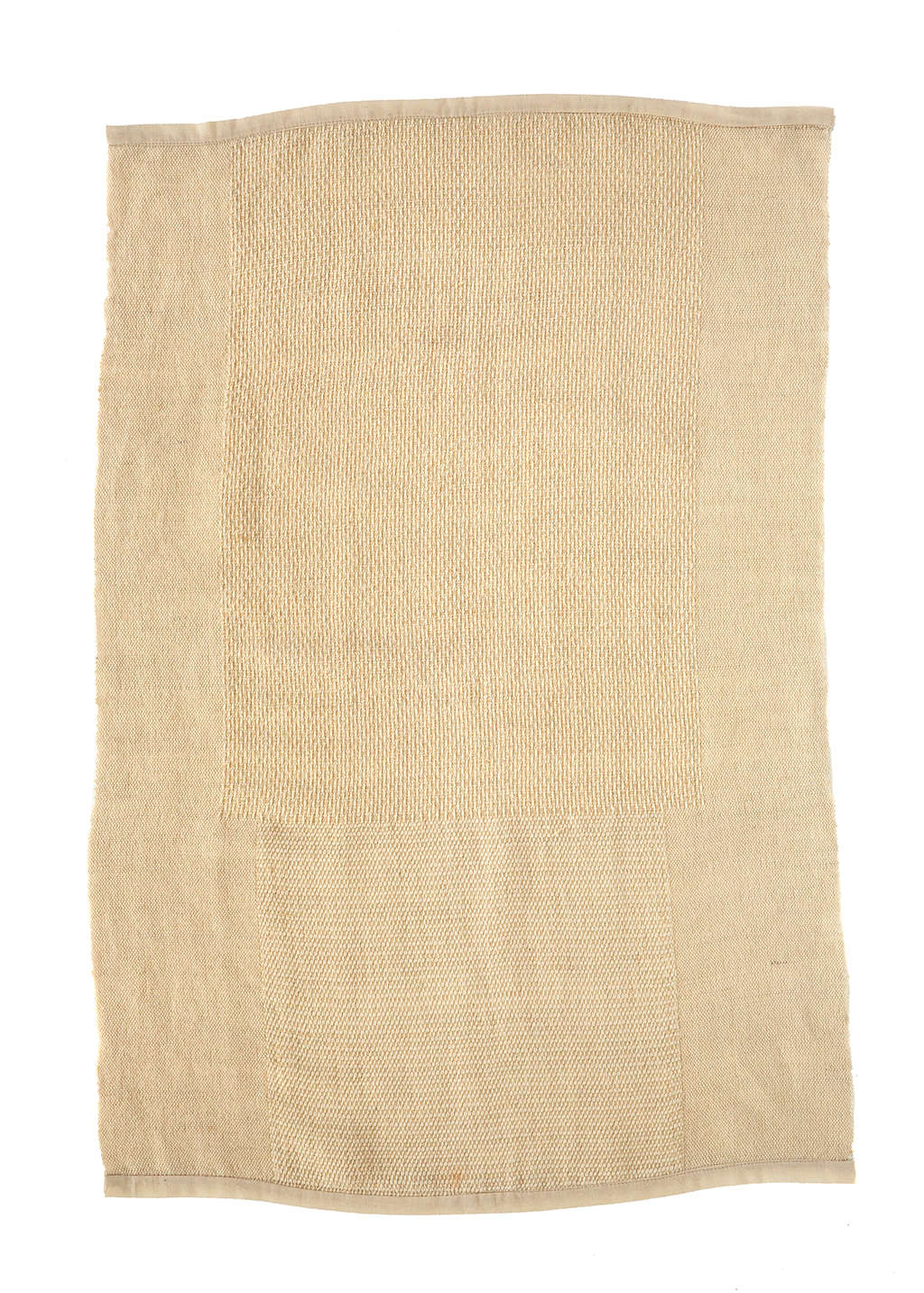
A hand towel may be one of the smallest textiles in your home, but it works a surprisingly demanding shift. It dries wet hands, catches the occasional toothpaste splash, survives frequent laundering, and quietly contributes to the look of the bathroom. A natural hand towel adds another layer to that job description: It should feel comfortable, look calm and organic, and ideally be made from a fiber you can identify without needing a chemistry degree and a detective hat.
The phrase “Hand Towel – Natural” can describe both color and material. In color terms, natural usually means an undyed-looking shade such as oatmeal, flax, sand, ivory, or warm beige. In material terms, it often refers to cotton, organic cotton, linen, or another plant-derived fiber. The best option brings those ideas together: a towel with an honest fiber label, an absorbent construction, practical dimensions, durable stitching, and a soft neutral tone that does not visually shout across the room.
Why a Natural Hand Towel Deserves More Attention
Drying is an essential final step in proper handwashing. The Centers for Disease Control and Prevention recommends drying washed hands with a clean towel or an air dryer. It also notes that reusable towels are practical at home as long as they are changed before becoming dirty or mildewed. In other words, the hand towel is not merely decorative. It is part of the hygiene routine, even when it is hanging there looking like a tiny spa accessory.
Natural shades work with white sinks, wood vanities, stone counters, black fixtures, brass hardware, and colorful tile. Designers often use hand towels as low-cost accents because changing a towel is considerably easier than retiling a bathroom. Your grout can relax.
What “Natural” Should Mean on the Label
Natural Color
A natural-colored towel usually sits between cream and light brown. It may be undyed, minimally dyed, or simply named for its raw-fiber appearance. Do not assume “natural” automatically means organic or environmentally superior; it may be only the color name.
This distinction matters when comparing products online. A towel described as “natural cotton” may be made from conventional cotton dyed in a beige shade, while another may use undyed organic cotton. Both could be good towels, but they are not making the same claim.
Natural Fiber
For a genuine natural-fiber hand towel, read the sewn-in label rather than relying on the front-of-package poetry. Federal textile labeling rules generally require covered products to identify fiber content, country of origin, and the responsible manufacturer or marketer. A clear label such as “100% cotton” tells you far more than vague phrases such as “nature inspired,” “eco touch,” or “earth cloud softness.” The last one sounds lovely but dries exactly zero hands.
Be especially careful with towels marketed as bamboo. Many so-called bamboo textiles are actually rayon or viscose made from bamboo-derived cellulose rather than mechanically processed bamboo fiber. The Federal Trade Commission has repeatedly addressed misleading bamboo claims, so check whether the label says rayon made from bamboo, viscose from bamboo, bamboo linen, or a specific fiber blend.
Best Materials for a Natural Hand Towel
100% Cotton
Cotton is the dependable all-rounder. Its cellulose structure attracts water, and cotton terry towels typically perform well in absorbency tests. Cotton is also widely available, washable, soft, and offered in many weights and textures. For a family bathroom, a medium-weight cotton hand towel is often the most practical balance of comfort, price, and drying speed.
Long-staple varieties such as Turkish, Egyptian, Pima, and Supima cotton use longer fibers that can produce smoother, stronger yarns. These towels often feel softer and resist wear better than basic short-staple cotton, although construction quality matters just as much as the prestigious name printed on the package. A poorly woven “luxury” towel remains a poorly woven towel, only with better public relations.
Organic Cotton
An organic cotton hand towel may appeal to shoppers who want verified agricultural and processing standards. Look for recognized certification details rather than treating the word “organic” as a complete explanation.
Organic status does not automatically guarantee softness or absorbency. Yarn quality, weave, density, finishing, and laundering still determine how the towel performs. A certified towel that pushes water around the sink is still not doing its main job.
Linen
Linen is made from flax and offers a distinctly crisp, lightweight feel. It does not deliver the cloudlike plushness of terry cotton, but it can dry quickly and develop a softer hand over time. Linen hand towels are especially appealing in warm climates, small bathrooms, and kitchens where airflow and compact storage matter.
Linen also suits natural interiors because its slight irregularities and relaxed wrinkles look intentional rather than neglected. Think “European cottage,” not “forgot the iron.”
A cotton-linen blend can add softness while retaining linen’s lightweight texture. Linen is a practical alternative for shoppers who do not need classic fluffy terry.
Rayon or Viscose From Bamboo
Rayon and viscose made from bamboo can feel silky and absorbent, but they are manufactured regenerated fibers rather than simply woven strips of bamboo plant. These towels may be comfortable, yet environmental claims should be evaluated carefully. Buy them for verified performance and transparent labeling, not because a leaf icon on the package looks emotionally persuasive.
How Construction Changes Performance
Terry Loops
Terry cloth uses loops to increase surface area and hold water. Dense, even loops are generally preferable to sparse patches, flattened sections, or loose threads that look ready to begin an independent career.
Loop density, pile height, and yarn quality influence both softness and absorbency. Longer loops can create a plush feel, but they may also snag more easily on jewelry, hooks, or rough laundry hardware. A shorter, tightly woven pile is often a practical choice for busy households.
Waffle Weave
Waffle towels use a textured grid and are often lighter and quicker to dry than plush terry. Traditional cotton terry generally leads in maximum absorbency, while waffle construction offers compactness and airflow. That makes waffle hand towels useful in humid bathrooms, small powder rooms, and spaces with limited towel storage.
The trade-off is texture. Some people love the gentle exfoliating feel of waffle fabric, while others prefer the softer touch of terry loops. Neither construction is universally superior; the right choice depends on whether you prioritize plushness, drying speed, or compact storage.
GSM and Towel Weight
GSM means grams per square meter and indicates fabric weight. A higher GSM generally produces a denser, heavier towel that can hold more water, while a lower GSM produces a lighter towel that usually dries faster. CottonWorks advises checking both GSM and pile construction because weight alone does not tell the entire story.
For hand towels, a moderate weight is usually the sweet spot. Very heavy towels feel luxurious but may remain damp in a poorly ventilated powder room. Very light towels dry rapidly but can feel insubstantial after repeated use. The best option depends on climate, bathroom airflow, laundry frequency, and how many people use the sink.
How to Choose the Right Natural Hand Towel
Check the Size
Hand towels commonly range from about 15 by 25 inches to 20 by 30 inches. Measure the bar or ring before buying. An oversized towel may bunch and dry slowly, while a tiny one can resemble a washcloth that received a promotion without additional training.
Also consider the proportions of the room. A large hand towel can overwhelm a narrow powder room, while a very small towel may look lost beside a wide vanity with two sinks.
Inspect the Edges
Look for straight hems, tight stitching, reinforced side seams, and a hanging loop if you plan to use hooks. Decorative borders should lie flat rather than pulling the towel into a permanent ruffle.
Tug gently at a corner when shopping in person. A few loose surface fibers are normal on new cotton, but unraveling seams are a preview, not a surprise.
Choose Texture for the Room
Plush terry suits a primary bathroom, waffle weave works well in humid spaces, and linen looks relaxed in a guest bath or kitchen. Ribbed or jacquard texture adds visual interest without leaving a neutral palette.
Texture is particularly useful when decorating with beige, cream, and brown. A completely smooth room can look flat, while a woven hand towel introduces depth without adding another competing color.
Buy Enough to Rotate
Keep enough towels to place one at the sink, store clean replacements nearby, and still have one in the laundry. Shared towels may need changing every few days; at minimum, wash them weekly and sooner when they cannot dry fully.
A household with children, frequent visitors, or one enthusiastic hand washer who leaves the towel resembling a soaked sandwich may need a larger rotation.
Styling a Natural Hand Towel
A natural hand towel is most effective when it looks intentional. Pair warm oatmeal with walnut wood, aged brass, terracotta, or cream tile. Choose cooler stone or flax tones for gray marble, brushed nickel, concrete, or matte black fixtures. In an all-white bathroom, a beige towel adds warmth without turning the room into a color experiment.
Natural towels also layer well with patterns. Add one striped or block-printed accent towel beside a solid neutral towel, or mix textures within the same color family. HGTV notes that coordinated hand towels can reinforce a bathroom palette and offer an easy decorative upgrade without adding counter clutter.
For a guest bathroom, fold the towel lengthwise into thirds before placing it on a bar. On a ring, pull it through evenly so the fabric can hang without excessive bunching. Decorative folding is welcome, but do not compress damp towels into elaborate shapes. No swan is attractive enough to justify mildew.
Washing and Caring for Natural Hand Towels
Wash Before the First Use
New towels may carry finishes that feel smooth on the shelf but reduce initial absorbency. Wash before use to remove loose lint and residue, following the care label and separating dark and light colors.
Some new cotton towels shed during their first few washes. Washing them separately from clothing can keep lint from attaching itself to every black shirt you own.
Use the Correct Amount of Detergent
Excess detergent can remain in the loops, making towels stiff and less absorbent. Measure detergent for the load size and water conditions, and consider an extra rinse if the fabric feels coated.
Do not overload the washer. Towels need enough room to move through the water so detergent, body oils, soap residue, and loose fibers can rinse away properly.
Skip Fabric Softener and Dryer Sheets
Fabric softener can leave a film on towel fibers, reducing their ability to absorb water. Consumer Reports, Good Housekeeping, Martha Stewart, and University of Georgia textile guidance all warn that softener buildup can undermine towel performance. The irony is impressive: The product named “softener” may help your towel become a softer but less useful decorative rectangle.
If towels begin feeling waxy or stiff, wash them without softener and use an extra rinse. Always check the care instructions before trying stronger stain or odor treatments.
Dry Completely Between Uses
Spread the towel open on a bar or use a hook in a well-ventilated space. A bunched towel dries unevenly, while a towel trapped between a wall and a vanity can remain damp. Run the exhaust fan after handwashing and bathing if the room is humid.
Replace the towel immediately if it smells musty, appears visibly dirty, or stays wet for long periods. A neutral color may disguise minor marks, but it cannot negotiate with moisture.
Wash Frequently
In a high-traffic bathroom, changing a hand towel every two or three days is a sensible routine. In a low-use guest room, weekly laundering may be adequate if the towel dries fully.
Wash sooner after illness, heavy use, visible soil, makeup transfer, or persistent dampness. CDC guidance emphasizes using a clean towel and replacing reusable towels before mildew develops.
A More Thoughtful Approach to Sustainability
Durability, honest fiber content, efficient drying, and long-term use matter more than a green-sounding label alone. A well-made towel that remains useful for years can be a more thoughtful purchase than a fashionable “eco” towel that pills, twists, or loses absorbency after a season.
Buy fewer, better towels, repair loose hems, and move worn towels to cleaning, pet care, gardening, or spill control instead of discarding them immediately. A hand towel that is no longer presentable beside the sink may still have a productive second career wiping patio furniture or handling muddy paw emergencies.
Experience Notes: Living With a Natural Hand Towel for a Month
The following is a realistic household-use scenario based on common towel performance patterns rather than a claim of personal product testing. Imagine replacing a thin synthetic hand towel with a medium-weight, natural-colored cotton terry towel in a frequently used bathroom.
On the first day, the visual change is immediate. The soft oatmeal color makes the sink area feel warmer, especially beside white ceramic and brushed metal. The towel looks more expensive than a bright novelty print, even though it is simply a well-proportioned neutral textile. It does not dominate the bathroom, but it quietly connects the wood vanity, woven basket, and beige floor tile. This is the decorating equivalent of someone entering a meeting, saying one useful sentence, and leaving before the discussion becomes painful.
The first use may be slightly disappointing if the towel has not been washed. Water can sit briefly on the surface because new towels sometimes carry finishing treatments. After an initial wash without fabric softener, the loops open and the towel becomes noticeably more absorbent. It dries both hands with one thorough pass rather than moving water from the palms to the wrists and pretending the job is complete.
During the first week, the medium weight feels practical. It is thick enough to feel comfortable but not so dense that it remains wet until the next presidential administration. Hung fully open on a bar, it dries between most uses. Folded over a small ring, however, the inner layers stay damp longer. This makes the hardware choice surprisingly important. A beautiful towel cannot overcome physics, humidity, and a ring designed for something the size of a napkin.
By the second week, the natural color reveals both advantages and limitations. It hides minor water marks and looks calmer than pure white, but toothpaste and makeup still show. The solution is not choosing a darker towel and denying reality; it is keeping clean replacements nearby. Rotating every few days keeps the bathroom looking fresh and prevents the towel from becoming the household’s most overworked employee.
After several washes, the towel settles into its real texture. It may lose some showroom softness, but a quality cotton towel should remain comfortable and become more absorbent. Skipping dryer sheets helps preserve that performance. Shaking the towel before drying separates the loops, and removing it when fully dry prevents stiffness and musty storage odors.
The towel’s construction also begins to matter more than its packaging. Secure hems remain flat, dense loops continue absorbing water, and an appropriately sized towel hangs without touching the counter or floor. By contrast, weak stitching or an excessively decorative border may curl, shrink, or distort after repeated laundering.
The most noticeable benefit after a month is not dramatic luxury. It is reliability. The towel is easy to match, easy to replace, pleasant to use, and visually steady. It does not require a bathroom redesign or an elaborate laundry ritual. It simply performs its small daily task well.
That is the real appeal of a natural hand towel: useful texture, honest material, quiet color, and no unnecessary drama before breakfast. It may never become the most exciting item in the house, but it can become one of the most consistently useful.
Conclusion
A natural hand towel should be more than a beige accessory with excellent marketing. Look for transparent fiber content, sturdy hems, an absorbent weave, and a weight suited to the room’s airflow. Cotton terry is the strongest all-purpose choice, while linen and waffle constructions offer lighter, faster-drying alternatives.
Care matters just as much as the purchase. Wash before first use, avoid excess detergent and fabric softener, hang the towel open, rotate it frequently, and dry it completely before storage. Follow those simple practices and a humble natural hand towel can remain soft, useful, and attractive for yearswhich is a respectable career for something routinely asked to deal with wet hands and toothpaste.
Note: Fiber performance and laundry requirements vary by manufacturer. Always follow the care label, and replace any hand towel that remains musty, damaged, or ineffective after proper washing.











