
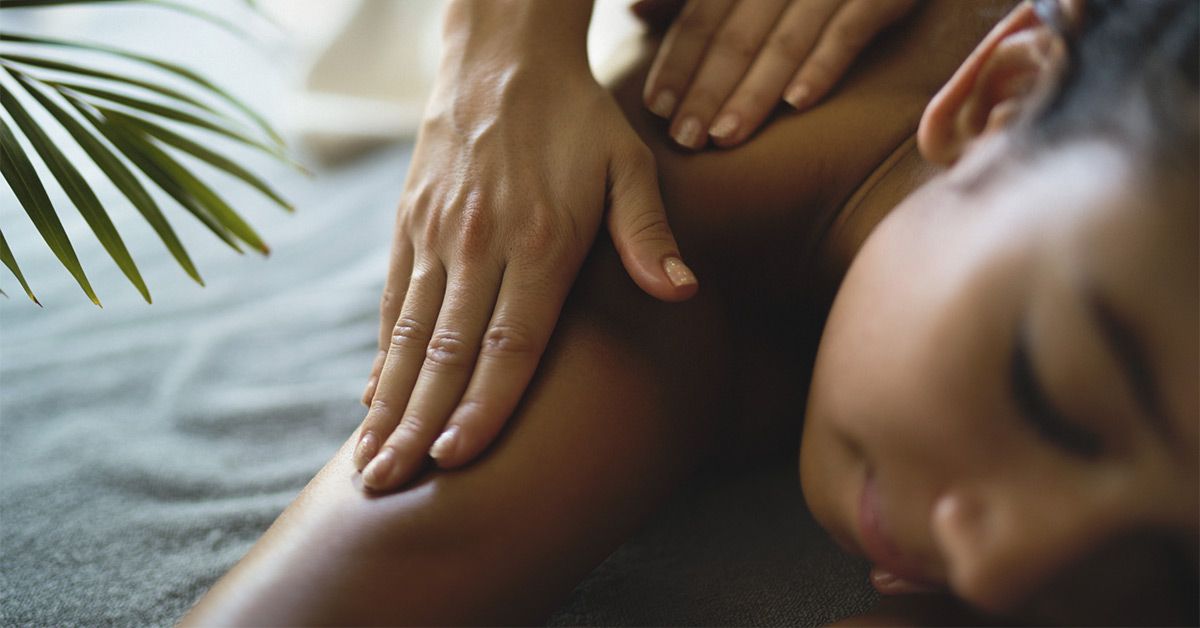
Tuina massage may look like a cousin of deep tissue massage, acupressure, stretching, and physical therapy all showing up to the same family reunion. But this traditional Chinese bodywork style has its own personality. Pronounced “twee-nah,” Tuina is a hands-on therapy used in traditional Chinese medicine to move, press, roll, knead, stretch, and mobilize the body with a therapeutic goal in mind.
Unlike the dreamy spa massage where the main objective is to forget your inbox exists, Tuina is usually more clinical. A practitioner may work along muscle groups, joints, acupressure points, and traditional meridian pathways to address tension, stiffness, pain, limited movement, stress, and general body imbalance. It can feel relaxing, intense, energizing, or surprisingly “why did I not stretch this shoulder five years ago?” all at once.
Still, Tuina is not magic, and it should not replace medical care. The best way to understand it is as a complementary therapy: potentially helpful for some people, especially when performed by a trained practitioner and paired with smart lifestyle habits, physical therapy, exercise, sleep, hydration, and appropriate medical treatment.
What Is Tuina Massage?
Tuina massage is a traditional Chinese manual therapy that uses rhythmic pressure, soft tissue manipulation, assisted stretching, and joint movement. In traditional Chinese medicine, Tuina is often discussed alongside acupuncture, herbal medicine, qigong, and dietary therapy. The word “Tui” generally means “push,” while “Na” means “grasp” or “lift.” That name gives away the basic idea: the practitioner uses the hands, fingers, thumbs, palms, knuckles, forearms, and sometimes elbows to work the body in a focused way.
In a modern wellness setting, Tuina may be used for muscle tightness, back discomfort, neck stiffness, shoulder tension, headaches related to tension, sports recovery, stress, sleep support, and general mobility. Some practitioners also apply Tuina principles for digestive discomfort, fatigue, or nervous system regulation, though evidence varies depending on the condition.
How Tuina Differs From Regular Massage
A Swedish massage often uses long, flowing strokes to promote relaxation. Deep tissue massage focuses on deeper muscle layers and connective tissue. Sports massage targets performance, recovery, and injury prevention. Tuina overlaps with all of these in certain ways, but its structure is different.
Tuina sessions are typically more targeted and may involve active movement. A practitioner might rotate your wrist, stretch your shoulder, press specific points, roll over tight muscles, and use brisk friction to warm an area. It is less “please let me nap under lavender-scented clouds” and more “let’s find out why your neck has been acting like a rusty door hinge.”
Common Tuina Massage Techniques
Rolling
Rolling is one of the signature Tuina techniques. The practitioner uses the back of the hand or knuckles in a rhythmic rolling motion over muscles and soft tissue. It can help warm the area, soften tight tissue, and prepare the body for deeper work.
Kneading
Kneading is similar to what many people imagine when they think of massage. The practitioner squeezes, lifts, and works the muscle tissue to reduce tension. In Tuina, kneading may be applied with the thumb, palm, fingers, or forearm depending on the area being treated.
Pressing and Acupressure
Tuina often includes pressing specific points on the body. These points may overlap with acupuncture points, but instead of needles, the practitioner uses finger or thumb pressure. The pressure can feel dull, achy, or intense, but it should not feel sharp or unbearable.
Pushing
Pushing uses the palm, thumb, or fingers to move along a muscle line or meridian pathway. This technique may be used on the back, arms, legs, neck, and shoulders to encourage mobility and release tightness.
Grasping
Grasping involves gently lifting and squeezing muscle tissue. It is often used on the shoulders, neck, arms, or calves. Done well, it can feel like someone is convincing your muscles to stop clenching their imaginary pearls.
Stretching and Joint Mobilization
Some Tuina sessions include assisted stretching or gentle joint movement. The practitioner may rotate, extend, flex, or traction a joint to improve range of motion. This should always be controlled and comfortable. Aggressive twisting is not a badge of honor; it is a red flag.
Potential Benefits of Tuina Massage
1. May Help Reduce Muscle Tension
Many people seek Tuina for tight shoulders, stiff backs, sore legs, and everyday muscle tension. The combination of pressure, kneading, rolling, and stretching may help relax overworked muscles and improve comfort after long hours at a desk, heavy workouts, or repetitive movement.
2. May Support Pain Relief
Massage therapy in general has been studied for low back pain, neck pain, osteoarthritis discomfort, headaches, and other pain-related conditions. Tuina-specific research suggests possible benefits for certain musculoskeletal concerns, though study quality and methods vary. In plain English: Tuina may help some people feel better, but it is not a guaranteed cure and should be part of a broader care plan.
3. May Improve Mobility and Flexibility
Because Tuina often includes stretching and joint mobilization, it may help people who feel stiff or restricted. For example, someone with desk-related shoulder tightness may benefit from a session that works the upper back, chest, neck, and shoulder blade area rather than only rubbing the painful spot.
4. May Promote Relaxation and Stress Relief
Tuina can be brisk and therapeutic, but it may still calm the nervous system. Touch-based therapies can help some people feel more grounded, relaxed, and aware of their bodies. If your stress lives rent-free in your jaw, shoulders, and lower back, Tuina may help you notice and release some of that tension.
5. May Support Better Sleep
Some research has explored Tuina for sleep concerns, including insomnia. While more high-quality studies are needed, many people report sleeping better after bodywork because pain, stress, and muscle tension are common sleep thieves. Tuina will not turn you into a professional nap champion overnight, but it may support a healthier wind-down routine.
6. May Help With Circulation and Body Awareness
Massage techniques can increase local blood flow and bring attention to areas you may unconsciously hold tight. Better body awareness can be useful because you may start noticing patterns: the shoulder that creeps upward while typing, the jaw that clenches during homework or work calls, or the lower back that complains after sitting too long.
What to Expect During a Tuina Session
A Tuina session usually begins with a short conversation. The practitioner may ask about your main concern, medical history, pain level, lifestyle, stress, sleep, exercise, injuries, and medications. Be honest. Massage therapists are good at reading muscles, not minds.
You may remain clothed, depending on the clinic and style of treatment. Loose, comfortable clothing is often recommended. Sessions can last from 30 to 90 minutes, with 45 to 60 minutes being common. The practitioner may work on a massage table, chair, or mat.
The pressure may range from gentle to firm. Some soreness afterward can happen, especially if deep work is used, but pain should not be extreme. A good practitioner checks in, adjusts pressure, and explains what they are doing. You should feel respected and in control throughout the session.
Who Might Consider Tuina Massage?
Tuina may be worth considering if you deal with recurring muscle tightness, stress-related tension, mild stiffness, limited range of motion, tension headaches, post-workout soreness, or general body fatigue. It may also appeal to people who enjoy massage but want a more active, technique-focused approach.
For example, a student or office worker with tight neck and shoulder muscles may benefit from upper back and shoulder work combined with posture advice. An athlete may use Tuina as part of a recovery routine. A busy parent may simply want relief from the “I carried groceries, laundry, and emotional responsibility all day” backache.
Who Should Avoid or Be Careful With Tuina?
Tuina is generally considered safe when performed by a qualified practitioner, but it is not right for every situation. Avoid or postpone Tuina if you have a fever, contagious illness, open wounds, skin infections, burns, unexplained swelling, recent fractures, severe osteoporosis, blood clots, or a recent serious injury. People who are pregnant, recovering from surgery, undergoing cancer treatment, taking blood thinners, or living with chronic medical conditions should talk with a healthcare professional before booking a session.
Also, do not use Tuina as a substitute for urgent care. Severe chest pain, sudden weakness, numbness, unexplained weight loss, loss of bladder or bowel control, or intense pain after an accident needs medical evaluation, not a massage appointment and a hopeful playlist.
How to Choose a Qualified Tuina Practitioner
Look for someone with formal training in Tuina, massage therapy, acupuncture, traditional Chinese medicine, or another regulated bodywork field. Ask about credentials, experience, hygiene practices, communication style, and whether they have worked with your specific concern before.
A professional practitioner should ask about your health history, explain the session, request consent before working sensitive areas, and adjust pressure when needed. They should not promise miracle cures or tell you to stop prescribed medical treatment. Good bodywork supports health; it does not bully science out of the room.
Tips for Getting the Most From Tuina Massage
Communicate Clearly
Tell your practitioner what feels helpful and what feels too intense. “A little less pressure, please” is not rude. It is useful information.
Hydrate and Rest
Drink water after your session and give your body time to settle. You may feel relaxed, sleepy, or slightly sore the next day.
Pair Tuina With Healthy Movement
Tuina works best when combined with smart habits. Gentle stretching, walking, strengthening exercises, posture breaks, and better sleep can help the results last longer.
Track Your Response
Notice how you feel immediately after the session, the next day, and one week later. If symptoms improve, you may have found a useful tool. If pain worsens or new symptoms appear, check with a healthcare provider.
Tuina Massage vs. Acupuncture, Shiatsu, and Deep Tissue Massage
Tuina and acupuncture share roots in traditional Chinese medicine, but Tuina uses manual pressure instead of needles. Shiatsu, a Japanese bodywork style, also uses pressure points and meridian concepts, but its rhythm and technique differ. Deep tissue massage focuses heavily on deeper muscle and fascia layers, while Tuina may include soft tissue work, acupressure, stretching, and joint movement in one session.
The “best” option depends on your goals. If you want relaxation, Swedish massage may be ideal. If you want intense muscle work, deep tissue may fit. If you want a traditional Chinese medicine approach with movement and acupressure, Tuina may be your lane.
Real-World Experiences With Tuina Massage
People often describe their first Tuina session as surprising. Many expect a standard massage and quickly realize Tuina has a more purposeful rhythm. One common experience is the “good ache” of acupressure: not sharp pain, but a deep sensation that feels like the practitioner has found the exact spot where stress has been hiding since the invention of email.
For someone with neck and shoulder tension, the practitioner may begin by warming the upper back with rolling and kneading. Then they might press points along the shoulder blade, gently stretch the neck, mobilize the shoulder joint, and finish with lighter strokes. The person may leave feeling taller, looser, and slightly amazed that their shoulders can exist somewhere below their ears.
Another common experience involves lower back stiffness. Instead of only pressing the painful area, a Tuina practitioner may work the hips, glutes, hamstrings, and sides of the waist. This can be helpful because back discomfort is often connected to surrounding muscles and movement patterns. After the session, the person may notice easier bending, smoother walking, or less tightness when standing up from a chair.
Some people find Tuina energizing rather than sleepy. Because techniques can be brisk, rhythmic, and stimulating, a session may leave you feeling refreshed instead of melted into the table. Others feel deeply relaxed afterward and want a nap immediately. Both reactions can be normal.
Beginners sometimes worry that Tuina must be painful to work. It does not. Firm pressure can be useful, but more pressure is not always better. The best sessions feel productive without feeling punishing. If you are holding your breath, gripping the table, or mentally writing your will, the pressure is too much.
People who benefit most from Tuina usually treat it as one piece of a wellness plan. They stretch between sessions, improve workstation ergonomics, take movement breaks, strengthen weak muscles, and address stress. Tuina may open the door, but daily habits help keep it from slamming shut again.
A practical first-time strategy is to book a shorter session, explain your goals clearly, and ask the practitioner to start moderately. Afterward, pay attention to your body for 24 to 48 hours. Mild soreness can happen, especially after deep tissue work, but you should not feel injured. A good experience should leave you feeling more comfortable, more mobile, or at least more aware of what your body needs next.
Conclusion
Tuina massage is a hands-on traditional Chinese therapy that blends pressure, kneading, rolling, stretching, and joint movement. It may help with muscle tension, stress, mobility, pain management, and relaxation, especially when delivered by a trained practitioner and used as part of a balanced wellness routine.
The key is realistic expectation. Tuina is not a miracle cure, and research is still developing for many conditions. But for the right person, at the right time, with the right practitioner, it can be a valuable tool for feeling better in your body. Think of it as bodywork with a mission: part massage, part movement therapy, part reminder that your shoulders were never supposed to live permanently next to your ears.
Note: This article is for educational purposes only and should not replace medical advice, diagnosis, or treatment. Anyone with ongoing pain, pregnancy, recent injury, surgery, blood clot risk, serious illness, or a chronic health condition should consult a qualified healthcare professional before trying Tuina massage.











