
Some lighting brands simply help you see the furniture. Wever & Ducré would rather make the furniture look as though it has hired a stylist, booked a photographer, and developed a mildly intimidating European accent.
Known for contemporary Belgian lighting, playful product names, architectural forms, and a cheerful dislike of dull interiors, Wever & Ducré occupies the lively space between technical illumination and decorative design. Its catalog includes discreet recessed spots, sculptural pendant lights, wall fixtures, track systems, outdoor luminaires, and statement pieces that can turn an ordinary ceiling into the most interesting surface in the room.
Behind the visual confidence is a practical idea: good lighting should support the way people live, work, dine, shop, and relax. It should also look rather good while doing so.
What Is Wever & Ducré?
Wever & Ducré is a Belgian design lighting company whose story began in Roeselare in 1985. The brand celebrated its 40th anniversary in 2025, marking four decades of developing luminaires for residential, hospitality, retail, workplace, and architectural applications. Its operations have grown from a local Belgian venture into an internationally distributed lighting business with showrooms and partners in multiple markets.
The company’s favorite slogan, “Life is too short for boring lighting,” neatly explains its personality. Wever & Ducré does not treat a light fixture as a necessary appliance that should apologize for existing. Instead, the fixture may become a geometric accent, a reflective object, a colored focal point, or a quiet architectural detail that only reveals its cleverness after sunset.
That philosophy makes the brand relevant to two groups that do not always agree. Designers appreciate the visual consistency, finishes, beam options, and coordinated product families. Homeowners appreciate fixtures that can add personality without requiring the living room to look like an experimental theater set.
The Meaning Behind the Unusual Name
“Wever & Ducré” sounds like the names of two immaculately dressed founders who debate brass finishes over tiny cups of coffee. The real explanation is more interesting.
Belgium has several official languages, so the company wanted a name that would sound comfortable in both Flemish- and French-speaking settings. Its founders drew inspiration from five Dutch words representing the values they wanted the business to embody: WERklust, meaning hard work; VERtrouwen, meaning trust; ENthousiasme, meaning enthusiasm; DUrf, meaning courage; and CREativiteit, meaning creativity. Pieces of those words were combined to create Wever & Ducré.
The origin story is useful because those values remain visible in the brand’s output. Its catalog balances commercial practicality with enough creative risk to prevent every product from becoming another anonymous black cylinderalthough, to be fair, the company also makes some very handsome black cylinders.
Belgian Design Without the Stiff Collar
Belgian interiors are often associated with muted materials, strong architecture, restrained color, and objects that appear simple until someone tells you how difficult they were to manufacture. Wever & Ducré works comfortably within that tradition but gives it a more energetic personality.
Clean Forms With a Playful Edge
Many Wever & Ducré fixtures begin with recognizable shapes: cylinders, boxes, cones, globes, rods, discs, or hexagons. The company then changes the proportion, finish, light direction, or mounting method until the object feels distinctive.
This approach allows a fixture to be expressive without becoming exhausting. A small wall light may create dramatic cones of illumination. A pendant may use hand-blown glass to soften a dining area. A track-mounted spotlight may nearly disappear during the day, then become the hardest-working object in the room at night.
Color That Does More Than Behave
Black, white, champagne, bronze, and brushed metallic finishes form the backbone of the collection, but the brand regularly explores stronger trend colors. Its visual identity also extends beyond products. Since 2014, Wever & Ducré has invited artists from different countries to create catalog covers influenced by contemporary color trends, turning a normally practical sales document into something closer to collectible graphic art.
Notable Wever & Ducré Lighting Collections
The company produces a large range of interior and exterior lighting, so choosing a fixture can initially feel like entering a very elegant candy store. Understanding a few major collections makes the catalog easier to navigate.
RAY: The Versatile Minimalist
RAY is built around a clean cylindrical shape and appears in numerous configurations. Depending on the model, it can function as a pendant, surface-mounted ceiling light, track fixture, or exterior luminaire. The collection is offered in multiple sizes and finishes, making it useful when a project needs visual consistency across several rooms or mounting conditions. Outdoor versions are designed for exposure to sun, rain, and snow.
In practical terms, RAY is the lighting equivalent of a well-cut jacket. It can look formal, casual, dramatic, or discreet depending on what surrounds it.
HEXO: Geometry That Earned Its Keep
HEXO uses a crisp hexagonal form that adds more character than a standard round spotlight without demanding constant applause. The family includes different colors, sizes, and a miniature version. HEXO can also be integrated with the brand’s STREX system, allowing multiple luminaires to work together in larger rooms and offices.
It is especially effective where repetition matters. A row of geometric fixtures can create rhythm along a hallway, kitchen counter, reception desk, or retail display.
TRACE: Controlled Drama on the Wall
TRACE is recognizable by its finely grooved surface and narrow cones of light. Red Dot’s design assessment highlighted the series’ 22-degree beam and oval internal reflector, which improve contrast and distribute light across surrounding surfaces. The result is accent lighting that makes walls appear more dimensional rather than merely brighter.
TRACE is a strong choice for textured plaster, stone, art walls, corridors, and hospitality interiors. It proves that a wall does not need another framed quote telling everyone to “live, laugh, love.” Sometimes it just needs better light.
LECA: Compact and Adjustable
The LECA family consists of rounded, pivoting luminaires designed to direct focused light where it is needed. Recessed and surface-mounted versions are available, with some surface models supporting multiple spots. An optional honeycomb accessory helps manage intensity and glare. Red Dot praised the collection’s proportions, flexibility, and craftsmanship.
LECA works particularly well for art, shelving, kitchen work zones, or rooms where furniture layouts may change. Adjustable light is useful because sofas have a habit of moving immediately after the electrician leaves.
TRACE SPIN: Lighting That Changes Direction
TRACE SPIN extends the ribbed design language of TRACE into a ceiling fixture with two rods that can rotate through 180 degrees. This allows users to redirect illumination while creating different compositions of lines and shadows. Versions include an all-black finish and a black structure paired with champagne-colored spotlights.
WETRO: Hand-Blown Glass With Individual Character
WETRO emphasizes material and craftsmanship. The collection uses hand-blown Italian glass, meaning slight variations are part of each fixture’s identity rather than manufacturing mistakes that slipped past someone on a Friday afternoon. Wever & Ducré selected Italian glassmaking techniques to update the collection while preserving its established elegance.
WETRO pendants suit dining tables, bedside settings, reception areas, and restaurants where a softer glow is more appropriate than sharply focused illumination.
DRO and MIRRO: Collaboration With 13&9 Design
DRO and MIRRO were developed with the Austrian design collective 13&9 Design. DRO takes inspiration from droplets and the hydrophobic behavior that causes water to cling to or slide from a surface. Its rounded glass forms bring a natural, biophilic character to hospitality and residential spaces. MIRRO uses reflective metallic surfaces to create a visual relationship between the lamp, the room, and the person viewing it.
The collaboration demonstrates how the brand moves beyond decorating a light source. The fixture itself becomes part sculpture, part atmosphere generator, and part shiny object that guests will inevitably ask about.
J.J.W.: Preserving the Work of Jules Wabbes
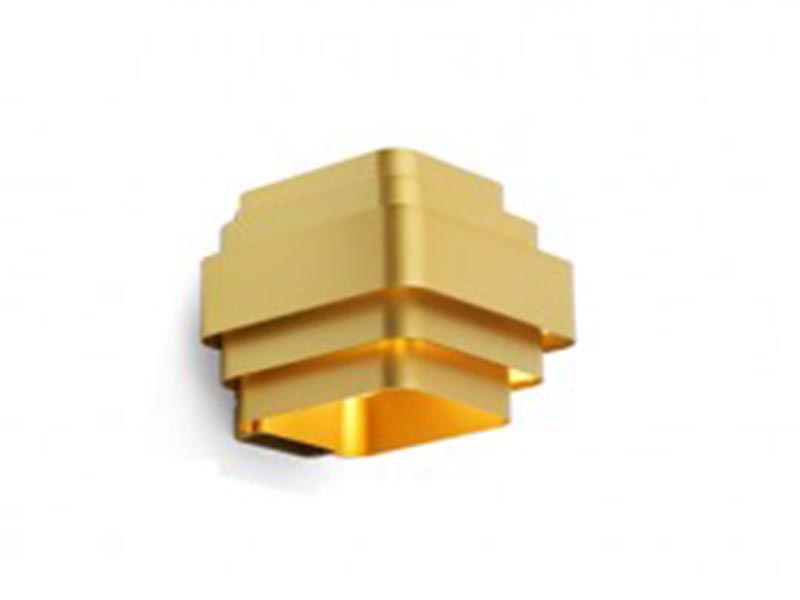
The J.J.W. collection connects Wever & Ducré with Belgian design history. Based on work by architect and furniture designer Jules Wabbes, the family features curved lines, warm materials, and sophisticated manufacturing. Ceiling and wall versions preserve a design language associated with luxury, generosity, warmth, and precision.
J.J.W. is proof that “timeless” does not have to mean “beige rectangle.”
Where Wever & Ducré Lighting Works Best
Residential Interiors
In homes, the brand is well suited to layered lighting plans. Recessed or surface-mounted spots can provide general illumination, wall fixtures can add depth, and pendants can establish visual focus over a dining table or kitchen island.
Independent design coverage has shown Wever & Ducré sconces and decorative fixtures in sophisticated apartments and large residential projects, where they are used alongside collectible furniture, artwork, and custom architectural finishes.
Restaurants, Bars, and Hotels
Hospitality lighting has to perform several jobs at once. Guests need enough light to read a menu, food needs to look appetizing, architectural surfaces need definition, and nobody wants to feel as though dinner is taking place beneath an office photocopier.
Wever & Ducré’s mixture of focused spots, warm pendants, decorative glass, and wall lighting makes it particularly adaptable to restaurants and hotels. The brand’s project portfolio spans hospitality, offices, retail spaces, and homes, while DRO fixtures have appeared in hotel and restaurant settings where their organic forms contribute to the atmosphere.
Offices and Retail Spaces
Track systems and coordinated spotlight families give architects flexibility in offices and stores. Fixtures can highlight merchandise, define meeting zones, illuminate circulation routes, or adapt when displays change. Collections such as HEXO, RAY, TRACE, and LECA offer different levels of visual presence while maintaining a related contemporary style.
The brand has also appeared in published workplace, retail, café, and architectural projects, confirming that its products are used for more than attractive residential mood boards.
How to Choose the Right Wever & Ducré Fixture
Start With the Job, Not the Shape
Before falling in love with a pendant, decide what the light must accomplish. General lighting spreads illumination across a room. Task lighting supports activities such as cooking, reading, or working. Accent lighting directs attention toward art, materials, or architectural details. Decorative lighting creates atmosphere and visual identity.
The most successful rooms use more than one category. A beautiful pendant alone may produce a wonderful Instagram photograph and a surprisingly dark kitchen counter.
Check the Beam Angle
A narrow beam creates concentrated highlights and stronger contrast. A wider beam covers more area and generally produces softer transitions. Narrow-beam fixtures suit artwork, textured walls, tables, and displays, while wider distributions are usually more comfortable for circulation and general illumination.
Select a Suitable Color Temperature
Warmer light, commonly around 2700K, can make bedrooms, living rooms, restaurants, and lounges feel comfortable. A slightly clearer 3000K often works well in kitchens, bathrooms, shops, and contemporary mixed-use interiors. The right choice depends on materials, daylight, personal preference, and the atmosphere the space needs after dark.
Confirm Dimming and Control Compatibility
Not every LED fixture works with every dimmer. Before ordering, verify the required driver, control protocol, voltage, and dimming method. This is particularly important when combining several product families or integrating lighting with a smart-home system.
Review Installation Requirements
Recessed fixtures require sufficient ceiling depth. Surface-mounted products need suitable electrical boxes or mounting points. Pendants need appropriate suspension height, and outdoor models require correct environmental ratings. Product dimensions can look wonderfully compact on a screen and unexpectedly enthusiastic once attached to a low ceiling.
Technology, Longevity, and Sustainability
Wever & Ducré is part of the XAL Group, which also includes technical and design-focused lighting businesses. The group reports quality, environmental, and occupational-safety management certifications at production sites, participation in the United Nations Global Compact, and a 2024 EcoVadis platinum rating. It also provides project services involving lighting design, controls, maintenance, and replacement support.
For buyers, sustainability should still be considered product by product. Useful questions include whether the LED module or driver can be serviced, how long replacement components will remain available, whether the fixture is dimmable, how efficiently it delivers usable light, and whether its design is durable enough to survive the next wave of interior trends.
A fixture that remains attractive and functional for many years is generally a better investment than one purchased because it matched a viral paint color for eleven minutes.
Is Wever & Ducré Worth Considering?
Wever & Ducré is most appealing to buyers who want contemporary European lighting with more personality than generic architectural fixtures but less visual chaos than novelty décor. Its strength lies in combining recognizable forms, coordinated families, strong finishes, modern LED technology, and products suitable for both decorative and technical applications.
It may not be the ideal choice for shoppers seeking the lowest possible upfront price or a simple bulb-and-shade fixture available at every neighborhood hardware store. Many products require careful specification, compatible controls, professional installation, or coordination with local distributors.
For a considered renovation, hospitality project, custom residence, or design-conscious commercial interior, however, the range offers enough flexibility to build a coherent lighting plan without making every room look identical.
The Wever & Ducré Experience: What Living With the Lighting Can Feel Like
The experience of using Wever & Ducré lighting begins before the fixture is switched on. During the day, its form becomes part of the interior architecture. A black RAY cylinder may repeat the lines of cabinet handles. A WETRO pendant may catch daylight in its hand-blown glass. A TRACE wall light may appear restrained until evening, when its narrow beams transform a plain wall into something that suddenly deserves its own dramatic soundtrack.
Experience One: The Dining Table Finally Has a Center
Imagine a dining room with a good table, comfortable chairs, and absolutely no sense of occasion. Adding a carefully scaled pendant changes the visual hierarchy. The table becomes the center of the room, the ceiling feels lower and more intimate, and faces are illuminated more gently than they would be under a grid of bright downlights.
A glass pendant from a collection such as WETRO or DRO can create a soft focal point, while a smaller series of cylindrical pendants may produce a cleaner architectural rhythm. Dimming becomes important here. Full output helps when homework, paperwork, or an ambitious jigsaw puzzle occupies the table. Lower output is better for dinner, when nobody needs every serving spoon examined under laboratory conditions.
Experience Two: A Hallway Becomes More Than Leftover Space
Hallways are often treated as the plumbing of an interior: necessary, functional, and rarely invited into photographs. Directional wall lights can change that. TRACE-style beams introduce patterns of light and shadow, making textured paint, plaster, brick, or stone more visible.
The effect is subtle but powerful. Instead of blasting the entire corridor with uniform brightness, carefully placed fixtures guide movement and produce visual pauses. The hallway begins to feel designed rather than merely survived on the way to another room.
Experience Three: The Kitchen Works Better After Sunset
A kitchen may look bright during the day yet become frustrating at night because the person preparing food casts a shadow directly across the worktop. Adjustable spots such as LECA, or track-mounted fixtures from coordinated product families, can direct light toward counters, sinks, shelves, and islands.
This is where specification matters more than appearance. Beam spread, mounting position, glare control, and color rendering influence whether ingredients look fresh and whether chopping vegetables feels comfortable. The fixture may be beautiful, but its greatest compliment is that the user stops thinking about the lighting and simply sees the task clearly.
Experience Four: One Design Language Connects Several Rooms
A major advantage of broad product families is continuity. A project might use recessed spots in the kitchen, surface-mounted fixtures in a corridor, pendants over the island, and weather-resistant lights outside while maintaining related shapes and finishes.
The rooms do not need matching fixtures like members of a slightly overorganized marching band. Instead, they can share a common material, color, or geometry. RAY may appear in several configurations, for example, creating a subtle relationship between indoor and outdoor areas. This coordination often makes an interior feel calmer and more intentional.
Experience Five: Small Adjustments Produce Large Changes
The ownership experience is strongly influenced by controls. A dimmable fixture can support cleaning, entertaining, reading, relaxing, and late-night trips to the kitchen without forcing one brightness level upon every activity. Adjustable models allow light to be redirected when furniture or artwork moves.
There are also practical lessons. Confirming dimmer compatibility before installation prevents flickering. Planning driver access makes future maintenance less theatrical. Checking the scale of a fixture against the actual ceiling avoids surprises. Reviewing color temperature samples in the room is wiser than choosing entirely from a screen, because stone, wood, paint, and textiles respond differently to warm and neutral light.
When these details are handled well, Wever & Ducré lighting can provide a satisfying balance of atmosphere and function. The fixtures attract attention when the design calls for it, disappear when the task matters more, and give ordinary surfaces greater depth after dark. That is the real experience the brand sellsnot simply a lamp, but a more deliberate way of seeing the room.
Conclusion
Wever & Ducré has built its identity by refusing to choose between decorative personality and architectural performance. Its Belgian roots, collaborative collections, coordinated product families, material experimentation, and bold visual branding make it distinctive in a crowded lighting market.
From compact adjustable spots to hand-blown glass pendants and dramatic wall lights, the brand offers tools for shaping how a space feelsnot merely how brightly it is illuminated. Choose carefully, plan the controls, verify the technical specifications, and the result can be lighting that looks fresh long after the latest decorating trend has wandered off in search of another unsuspecting living room.












