
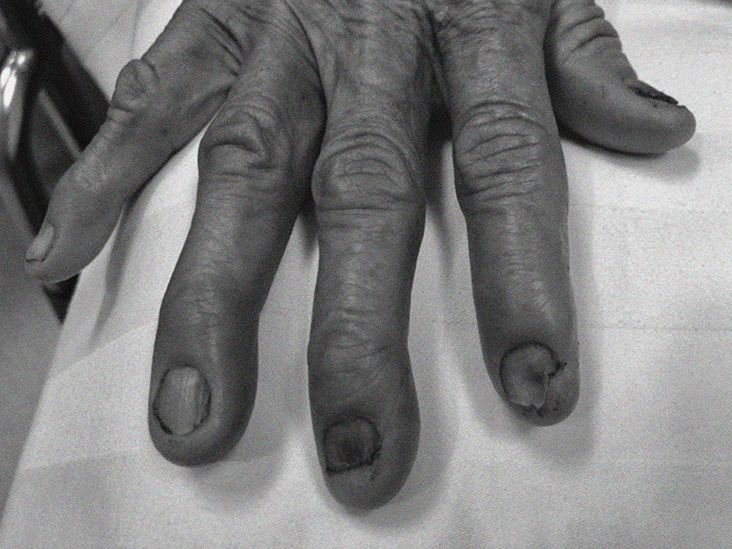
Curved nails can be a tiny body clue with big main-character energy. One day your nails look perfectly ordinary; the next, one seems to dip like a miniature soup spoon, curl over the fingertip, or squeeze inward from the sides like it is auditioning to become a taco shell. While some nail curves are harmless, others can point to nutritional deficiencies, skin conditions, injury, infection, or health issues that deserve medical attention.
The important thing is not to panic. Nails grow slowly, and many changes develop over weeks or months. But because fingernails and toenails can reflect what is happening in the nail matrix, nail bed, skin, circulation, and even internal organs, persistent changes are worth noticing. This guide explains the most common causes of curved nails, including spoon nails, curved tips, and curved sides, plus what you can do next.
What Are Curved Nails?
“Curved nails” is a broad phrase. It can describe several different nail shapes, and each shape may have different causes. Some people naturally have nails with a gentle curve. That is usually normal, especially if the nail shape has been the same for years and there are no other symptoms.
New or worsening curvature is different. A nail that suddenly becomes concave, bends downward over the fingertip, thickens, lifts, or pinches into the skin may be a sign of something else. The curve itself is only one piece of the puzzle. Color, texture, thickness, pain, swelling, brittleness, and whether the change affects one nail or many nails all matter.
Types of Curved Nails
1. Spoon Nails
Spoon nails, medically called koilonychia, curve inward or dip in the middle. Instead of having a smooth, slightly rounded surface, the nail looks flattened or scooped out. In more obvious cases, the nail may be able to hold a tiny drop of water. Cute party trick? Maybe. Potential health clue? Definitely.
Spoon nails often look thin, soft, brittle, or fragile. They may chip easily or feel weak at the edges. Koilonychia can affect fingernails or toenails, although it is often easier to notice on the hands.
2. Downward-Curving Tips
When nails curve downward around enlarged fingertips, the change may be called nail clubbing. Clubbing usually develops gradually. The fingertips may look wider, rounder, warmer, or more bulbous, and the nail may seem to wrap over the end of the finger.
Clubbing can be inherited and harmless in some families, but new clubbing should be evaluated because it can be associated with lung, heart, liver, or digestive conditions. In other words, this is not the nail change to ignore while saying, “It’s probably fine,” and then Googling it at 2 a.m.
3. Nails Curving From the Sides
Some nails curve inward from the left and right edges. This can create a pinched, tube-like, or claw-like shape. When it happens on toenails, especially the big toe, it may resemble a pincer nail deformity. This can cause pressure, pain, ingrown toenails, or difficulty trimming the nail.
Side-curving nails may be related to shoe pressure, aging, injury, fungal infection, genetics, inflammatory skin disease, or changes in the bone beneath the nail. Toenails are especially prone because they spend their lives trapped in shoes, which is basically the nail equivalent of rush-hour traffic.
Common Causes of Spoon Nails
Iron Deficiency Anemia
The classic cause of spoon nails is iron deficiency anemia. Iron helps the body make hemoglobin, the protein in red blood cells that carries oxygen. When iron is low, the nails may become thin, brittle, and concave over time.
Iron deficiency can happen for several reasons, including heavy menstrual bleeding, pregnancy, poor dietary intake, blood loss from the digestive tract, certain gastrointestinal conditions, or problems absorbing nutrients. Symptoms may include fatigue, weakness, shortness of breath, dizziness, pale skin, headaches, cold hands and feet, or cravings for nonfood items such as ice.
That said, not everyone with spoon nails has iron deficiency, and not everyone with iron deficiency develops spoon nails. A blood test is the only reliable way to know.
Frequent Wet Work or Chemical Exposure
Nails are tough, but they are not superhero armor. Repeated exposure to water, detergents, cleaning products, petroleum-based products, solvents, or harsh chemicals can weaken the nail plate. Over time, this may contribute to thinning, brittleness, splitting, or a scooped appearance.
People who wash dishes often, clean without gloves, work with chemicals, or repeatedly wet and dry their hands may notice nail changes. The solution is not to stop cleaning forever, tempting as that sounds. Protective gloves, moisturizers, and gentler nail care can help reduce damage.
Skin and Autoimmune Conditions
Some inflammatory skin conditions can affect nail growth. Psoriasis, lichen planus, eczema, and certain autoimmune diseases may cause ridging, thinning, pitting, lifting, discoloration, or nail shape changes. In these cases, the nail problem often appears with other skin symptoms, but not always.
If your nails are changing along with rashes, scaling, joint pain, mouth sores, hair loss, or unexplained fatigue, it is worth discussing the pattern with a healthcare professional.
Thyroid Disease and Other Medical Conditions
Spoon nails have also been associated with thyroid disorders, circulation problems, malnutrition, celiac disease, and other conditions that affect nutrient status or nail growth. These links do not mean a curved nail automatically equals a serious diagnosis. Nails are clues, not courtroom evidence.
The safest approach is to look at the full picture: how long the change has been present, whether it is getting worse, whether multiple nails are involved, and whether you have symptoms elsewhere in the body.
Normal Nail Changes in Babies
In infants and young children, spoon-shaped nails can sometimes be temporary. Baby nails are thin and still developing, so mild concavity may improve as the nail plate thickens with age. However, parents should still mention unusual or persistent nail changes to a pediatrician, especially if there are feeding issues, poor growth, fatigue, or other concerns.
Causes of Nails That Curve Downward at the Tips
Nail Clubbing
Nail clubbing is one of the most important causes of downward-curving nails. It often affects multiple fingers and may appear on both hands. The nail angle changes, the nail bed may feel soft or spongy, and the fingertip may look enlarged.
Clubbing can be linked to low oxygen levels in the blood and chronic lung conditions. It may also be associated with certain heart diseases, liver disease, inflammatory bowel disease, and other systemic illnesses. Because clubbing can be a sign of a serious underlying issue, new or progressive clubbing should be checked by a clinician.
Lung Conditions
Some lung diseases can be associated with clubbed nails, including interstitial lung disease, chronic lung infections, cystic fibrosis, and lung cancer. Other symptoms may include ongoing cough, shortness of breath, chest discomfort, fatigue, wheezing, unexplained weight loss, or reduced exercise tolerance.
A nail change alone does not diagnose lung disease. Still, if curved fingertips appear along with breathing symptoms, it is time to make an appointment rather than giving your nails a pep talk and hoping they straighten out.
Heart, Liver, and Digestive Conditions
Clubbing can also occur with some congenital heart conditions, chronic liver disease, cirrhosis, Crohn’s disease, ulcerative colitis, celiac disease, and other inflammatory or oxygen-related conditions. These possibilities are one reason doctors often ask about symptoms beyond the nail, such as abdominal pain, diarrhea, swelling, bluish lips, fatigue, or changes in appetite.
Causes of Nails Curving From the Sides
Pincer Nails
A pincer nail curves inward from both sides and may gradually squeeze the nail bed. It is most common on toenails, especially the big toe. Some people inherit the tendency, while others develop it later due to footwear pressure, trauma, aging, fungal infection, or changes in the toe bone.
Pincer nails can become painful when the edges press into the surrounding skin. They may also raise the risk of ingrown toenails. If trimming becomes difficult or the nail causes pain while walking, a podiatrist or dermatologist can help.
Toenail Fungus
Fungal nail infection, also called onychomycosis, commonly affects toenails. It can make nails thick, yellow, brown, crumbly, lifted, or distorted. A thickened nail may curve differently as it grows, especially if debris builds up under the nail plate.
Not every thick or curved toenail is fungal, so testing may be needed before treatment. This matters because antifungal medicines are not the same as treatments for trauma, psoriasis, or pincer nail deformity.
Shoe Pressure and Repeated Trauma
Tight shoes, narrow toe boxes, high heels, running shoes that are too short, and repetitive pressure can gradually change toenail shape. Runners, hikers, dancers, and people who stand for long hours may notice toenails that thicken, curve, bruise, or lift.
Footwear should leave room for toes to spread naturally. If your toes are curled inside your shoes like they are riding in economy class forever, your nails may eventually complain.
When Should You See a Doctor?
Make an appointment with a healthcare professional if curved nails are new, worsening, painful, or affecting several nails. You should also seek evaluation if nail changes come with fatigue, shortness of breath, chest pain, persistent cough, unexplained weight loss, swelling, dizziness, digestive symptoms, pale skin, or blue-tinged lips or fingertips.
For spoon nails, a clinician may order blood tests such as a complete blood count, ferritin, iron studies, thyroid tests, or vitamin levels depending on your symptoms. For thick or discolored nails, a dermatologist may test nail clippings for fungus. For clubbing, evaluation may involve checking oxygen levels, listening to the lungs and heart, and ordering additional tests when needed.
How Curved Nails Are Treated
Treat the Underlying Cause
The best treatment depends on the cause. If iron deficiency is responsible, the solution may involve iron-rich foods, supplements, and identifying the reason iron is low. If a fungal infection is present, treatment may include topical or oral antifungal medication. If shoe pressure is the problem, better footwear and podiatry care may help.
When curved nails are related to clubbing, treatment focuses on the underlying medical condition. The nail shape may improve in some cases, but it depends on the cause and how long the change has been present.
Improve Nail Care Habits
Good nail care cannot fix every medical cause, but it can reduce extra damage. Keep nails clean and dry, trim them straight across, file sharp edges gently, and avoid aggressive digging under the nail. Use moisturizer on hands, cuticles, and feet, especially after washing.
Wear gloves when cleaning or using chemicals. Choose breathable shoes with enough toe room. Avoid using nails as tools, because your fingernails did not sign up to open soda cans, scrape labels, or perform minor construction work.
Support Healthy Nutrition
A balanced diet supports nail growth. Iron-rich foods include lean meat, poultry, seafood, beans, lentils, tofu, spinach, fortified cereals, and pumpkin seeds. Vitamin C foods such as citrus, strawberries, bell peppers, tomatoes, and broccoli can help the body absorb non-heme iron from plant foods.
Do not start high-dose iron supplements unless a healthcare professional recommends them. Too much iron can be harmful, and the right treatment depends on your actual blood levels and the reason for deficiency.
Practical Experiences: What Curved Nails Can Look Like in Real Life
Many people first notice curved nails during ordinary moments. Someone may be washing their hands and realize one fingernail looks flatter than the others. Another person may trim a big toenail and notice the edges curl inward so much that the clipper barely fits. Someone else may compare old photos and see that their fingertips look rounder than they used to. Nail changes rarely arrive with dramatic music, but they can quietly become obvious.
One common experience with spoon nails is frustration. The nail may chip, peel, or split even when the person is not doing anything rough. Nail polish may not sit smoothly. The center of the nail may look dipped, while the edges seem raised. Some people try strengthening polish, biotin gummies, or fancy nail oils before realizing the issue may be connected to iron levels or another internal factor. Nail products can improve appearance, but they cannot correct anemia or nutrient absorption problems by themselves.
Another real-world pattern involves people who work with water all day. A caregiver, cook, hairstylist, cleaner, nurse, or parent of small children may wash their hands constantly. Over time, nails can become dry, bendy, and weak. The person may assume they simply have “bad nails,” when the real issue is repeated wet-dry cycles and detergent exposure. Gloves, thicker hand cream, cuticle oil, and gentler soap can make a noticeable difference, although improvement takes patience because nails need time to grow out.
Curved toenails bring their own brand of annoyance. A pincer-like toenail can press into the skin and make shoes uncomfortable. People often trim the sides too deeply to relieve pressure, but that can make ingrown nails worse. The better move is usually to trim straight across, avoid tight shoes, and get help from a podiatrist if pain continues. Toenails grow slowly, so changes may take months to improve.
Downward-curving nails or clubbed fingertips can be more concerning. Some people notice their rings feel tighter, their fingertips look broader, or the nail angle has changed. Because clubbing can be associated with lung or heart conditions, it is wise to treat this as a medical clue rather than a cosmetic nuisance. The goal is not to self-diagnose, but to get checked early enough that any underlying issue can be addressed.
The most useful experience-based lesson is simple: compare, document, and act. Take clear photos of your nails in good lighting once every few weeks. Notice whether the change affects one nail, several nails, fingers, toes, or both. Write down symptoms such as fatigue, breathlessness, pain, discoloration, or nail lifting. This small record can help a clinician understand whether the curve is stable, improving, or progressing.
Finally, remember that nail recovery is slow. Fingernails may take several months to fully grow out, and toenails can take a year or longer. If the cause is treated, the healthy new nail usually appears near the base first. That means progress may look like a tiny normal strip at the cuticle before the rest of the nail catches up. Not glamorous, but very satisfying.
Conclusion
Curved nails can mean different things depending on the direction and pattern of the curve. Spoon nails may suggest iron deficiency or another condition affecting nail strength. Downward-curving tips may point to nail clubbing, which should be medically evaluated, especially when it is new or paired with breathing, heart, liver, or digestive symptoms. Nails that curve inward from the sides may be related to pincer nails, footwear pressure, fungus, trauma, or aging.
The best response is calm attention. Look for patterns, protect your nails, avoid harsh habits, support good nutrition, and seek medical guidance when changes are persistent, painful, or unexplained. Your nails may be small, but they are surprisingly good at waving tiny flags when something needs a closer look.
Note: This article is for educational purposes only and should not replace professional medical advice, diagnosis, or treatment. Anyone with sudden, painful, worsening, or unexplained nail changes should contact a qualified healthcare professional.












