
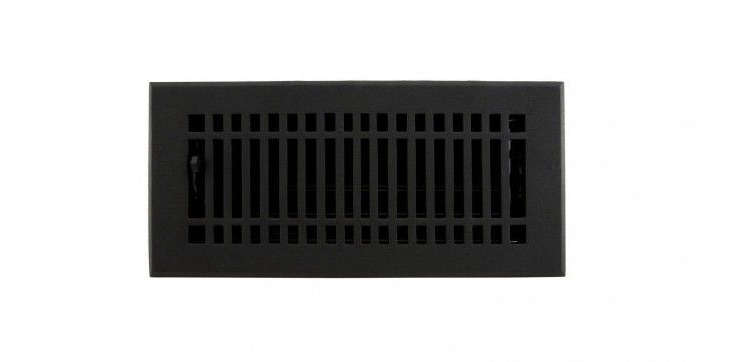
If you have ever spent a small fortune on hardwood floors, carefully chosen lighting, and furniture that does not look like it came free with a pizza coupon, you already know the truth: the little details matter. A floor register may be a small part of the room, but it sits in plain sight. And when it is flimsy, scratched, oddly colored, or shaped like an afterthought from 1998, it can throw off the entire design. That is exactly why the contemporary cast iron floor register has become such a satisfying upgrade. It does a practical job, yes, but it also acts like a piece of architectural hardware rather than a forgettable vent cover.
A contemporary cast iron floor register blends modern styling with old-school toughness. It gives you the durability and weight of cast iron while fitting better into current interiors that lean toward clean lines, matte black finishes, warm woods, mixed metals, and quieter decorative details. In other words, it is where HVAC function meets “I actually care what my room looks like.” Not a bad combination for something people usually notice only when it is ugly.
This guide explains what a contemporary cast iron floor register is, how it differs from a grille, why sizing matters, what design features to look for, and how to choose one that improves both airflow and style. At the end, you will also find a longer experience-based section that captures how these registers actually feel in real homes, because product specs are useful, but living with a design choice is where the real story begins.
What Is a Contemporary Cast Iron Floor Register?
A floor register is a supply vent cover installed over a duct opening in the floor. Unlike a simple grille, a register typically includes a damper and louvers that help control the amount and direction of airflow. That means it is not just decorative. It is part of how conditioned air enters the room. If your system is pushing warm or cool air into a space, the register helps manage where that air goes and how evenly the room feels.
The word contemporary in this context refers more to style language than to material invention. Cast iron itself is classic. It is heavy, sturdy, and reassuringly solid. The contemporary twist comes from updated patterns, cleaner geometry, textured matte finishes, simplified profiles, and better coordination with modern interiors. Some homeowners still prefer ornate Victorian scrollwork, but many want geometric grids, linear cutouts, honeycomb motifs, or understated mission-inspired patterns that read more polished than fussy.
Why cast iron still matters
Cast iron survives trends because it solves a real problem: floor registers take abuse. Shoes step on them. Chairs roll over them. Pets use them as observation decks. Vacuum cleaners ram into them like tiny judgmental tanks. Compared with lighter materials, cast iron generally feels more substantial and is often better suited to high-traffic areas. That makes it especially attractive in entryways, kitchens, hallways, living rooms, and older homes where homeowners want vent covers to feel architectural instead of disposable.
Why Homeowners Choose Contemporary Cast Iron Over Standard Registers
The biggest appeal is the balance of form and function. A contemporary cast iron floor register looks intentional. It can anchor a room visually, echo black window frames, coordinate with cabinet pulls, complement matte fixtures, or add contrast against light oak and white oak flooring. In darker spaces, it can disappear elegantly into the floor plane. In brighter interiors, it can act like a crisp finishing detail.
There is also the durability factor. Many homeowners get tired of bent fins, dented metal, or finishes that start looking tired after a few seasons of regular foot traffic. Cast iron has a reputation for feeling permanent. It is the kind of hardware that suggests commitment. Not relationship commitment. Design commitment. Slightly cheaper, usually.
Another reason these registers are appealing is that they often feel more “built-in” than lightweight alternatives. A well-chosen cast iron register can make the room seem more custom, especially when paired with quality flooring, trim, or restored millwork. If you are trying to create a space that feels finished, this tiny architectural touch can punch above its weight.
How to Choose the Right Size
This is the part where many people confidently measure the old vent cover, order the wrong size, and then stare at the package like it personally betrayed them. The correct way to size a floor register is to measure the duct opening, not the outer dimensions of the existing register. Registers are sized according to the opening they fit into, and vent covers are not universal.
Measure the width and length of the floor duct opening itself. Those inside opening dimensions determine the register size you need. The faceplate will usually be larger than the opening, which is normal. If you are replacing an older piece, remove it first and measure carefully rather than trusting whatever label the previous owner left behind in their mysterious kingdom of half-finished upgrades.
Standard versus custom sizing
Many contemporary cast iron floor registers come in common duct sizes such as 4 x 10, 4 x 12, 4 x 14, 6 x 10, 6 x 12, and larger oversized options. If you live in an older home, historic property, or custom build, you may discover that your vent opening is not standard. In that case, custom solutions may be worth considering rather than forcing a poor fit. A register that rocks, gaps, or sits crooked in the opening will never look as premium as it should.
Register vs. Grille: Know the Difference Before You Buy
This is one of the most useful distinctions in the whole category. A register is generally used for supply air and includes a damper or louvered mechanism to help direct and regulate airflow. A grille, on the other hand, is typically used for return air and usually does not have a damper. Return air openings need to stay open so your HVAC system can breathe properly. In plain English: supply air comes into the room through registers, and return air goes back to the system through grilles.
If you are shopping based only on appearance, it is easy to mix these up. Do not. A return opening should not be treated like a decorative toy that gets blocked, restricted, or dressed up with the wrong hardware. The best-looking vent cover in the world is still a bad choice if it interferes with system performance.
Design Features That Make a Cast Iron Register Feel Contemporary
Not every cast iron register looks contemporary. Some lean heavily vintage, which can be beautiful in the right home. But if your goal is a more updated look, pay attention to a few key details.
1. Matte black or textured dark finishes
Black remains the easiest finish for a modern cast iron register. It pairs beautifully with white walls, medium wood floors, concrete-look tile, and mixed-metal interiors. A textured black or rough black powder coat often gives the piece depth without making it flashy.
2. Geometric or simplified patterns
Cleaner grids, mission-inspired squares, hexagonal motifs, and restrained linear patterns tend to look more current than highly ornate scrollwork. They still have character, but they do not scream for attention every time someone enters the room holding coffee.
3. Low visual clutter
A contemporary register should feel integrated, not overstyled. The goal is to make the floor look deliberate and cohesive. Think of the register as functional hardware with style, not as a tiny floor chandelier.
4. Practical airflow control
Many cast iron floor registers include adjustable or removable louvers. That matters because the register is not just a pretty face. Good airflow control can help fine-tune comfort, especially in rooms that tend to run warmer or cooler than the rest of the house.
Installation and Fit Considerations
Most standard floor registers are designed to drop into the floor opening. Some styles mount from the front, and some specialty products may have spring clips or screw holes depending on use. Flush-mount options create a seamless look, but they are often best installed during flooring installation or as part of a more deliberate finish carpentry project. If you are updating a finished room, a self-rimming or drop-in style is typically easier and faster.
Also consider thickness, louver clearance, and how the register sits against surrounding flooring. A heavy cast iron piece can look amazing, but it still needs to fit cleanly and sit securely. If the room sees a lot of traffic, stability matters just as much as aesthetics.
Maintenance, Airflow, and Everyday Performance
A contemporary cast iron floor register is not high-maintenance, but it does benefit from regular cleaning. Dust, pet hair, crumbs, and random mystery debris collect in and around floor vents over time. Removing the register occasionally, vacuuming inside the duct as far as you can safely reach, and wiping the register down with a damp cloth can help keep airflow unobstructed and the finish looking sharp.
It is also wise to keep furniture, rugs, and oversized decor from blocking registers and return pathways. Good airflow helps rooms stay comfortable and supports efficient HVAC operation. If a room feels stuffy, uneven, or noisy, the register may not be the only issue, but it is one of the easiest places to start checking.
And while it may be tempting to shut dampers completely in rarely used rooms, balance matters. Your HVAC system works best when supply and return airflow are considered together. A register can help direct airflow, but it is not a magic wand that fixes duct leaks, poorly designed runs, or closed-room pressure problems.
Best Rooms for a Contemporary Cast Iron Floor Register
These registers work especially well in spaces where the floor is visible and the details matter. Living rooms, kitchens, dining areas, hallways, entryways, and home offices are prime candidates. They are also excellent in renovations where older homes need updated finishes without losing their sense of substance.
On dark stained wood, matte black cast iron looks refined and grounded. On lighter white oak or natural oak floors, it creates a sharp contrast that can tie in beautifully with other black accents. In transitional interiors, a simple geometric cast iron register can bridge traditional craftsmanship and modern taste. It is a small move, but sometimes the smart design choices are exactly the ones nobody notices right away because the room simply feels more complete.
Common Buying Mistakes to Avoid
- Buying based on old cover dimensions instead of the duct opening.
- Confusing a return grille with a supply register.
- Choosing an ornate pattern when the room really calls for something quieter.
- Ignoring airflow direction and damper quality.
- Blocking the register with furniture, rugs, or decor.
- Assuming every black finish will look the same against your flooring.
The best purchase is not always the fanciest one. It is the one that fits correctly, suits the room, supports airflow, and looks like it belongs there.
Conclusion
A contemporary cast iron floor register may seem like a modest upgrade, but it sits at the intersection of comfort, durability, and design. It can improve the look of a room, hold up in busy spaces, and provide the functional control expected from a proper supply register. When chosen thoughtfully, it becomes one of those quiet upgrades that make a home feel more polished from the ground up.
If you want a vent cover that does more than merely exist, cast iron is an excellent material to consider. Pair it with the right size, a finish that suits your room, and a pattern that complements your interior style, and you get a practical detail that finally stops looking like an afterthought. Your floors will thank you. Your HVAC system will stay employed. And your guests may not know why the room looks better, but they will feel it.
Experiences With a Contemporary Cast Iron Floor Register
One of the most common experiences homeowners describe after switching to a contemporary cast iron floor register is surprise at how much the room changes without a major remodel. They expect a vent cover replacement to be minor, almost forgettable. Then the new piece goes in, and suddenly the floor looks more finished. The register no longer feels like a flimsy patch in the middle of the room. It looks like part of the architecture. In homes with wood floors, especially, that shift can be dramatic. The eye stops catching a cheap, bent grille and starts reading a stronger, more intentional detail.
Another experience people mention is the feel of the product itself. A cast iron register has presence. When you pick one up, it does not feel temporary. It feels like something made to stay put for years. That physical weight often translates emotionally into quality. Homeowners who are tired of lightweight covers that shift, rattle, or look battered after a year tend to find cast iron deeply satisfying. There is something almost comically reassuring about installing a vent cover that feels like it could survive a family reunion, a golden retriever stampede, and a rogue dining chair with no meaningful change in expression.
There is also the finish experience. A textured black contemporary register often looks better in real life than it does online because it interacts with surrounding materials in subtle ways. Against pale flooring, it adds definition. Against darker floors, it blends while still giving the surface depth. In rooms with black window frames, iron lighting, or dark cabinet hardware, it can quietly connect the design language. Homeowners often realize after installation that the register did not just improve the vent opening. It helped the entire room feel more coordinated.
Of course, there are practical experiences too. Some people notice that adjustable louvers make a room easier to fine-tune. A register near a seating area may need a softer airflow direction, while one in a drafty corner might benefit from more targeted movement. Even when the HVAC system itself is unchanged, the ability to direct air more intentionally can make a room feel less uneven. That said, experienced homeowners quickly learn that a beautiful register is not a cure for bigger ductwork issues. If the room has persistent comfort problems, the register helps most when the rest of the system is reasonably balanced.
People renovating older homes often have a particularly strong reaction to cast iron. In those spaces, plastic or bargain-grade metal covers can look strangely disconnected from the house. Cast iron, even in a more contemporary pattern, tends to feel more believable. It respects the age of the home without forcing the room into a museum costume. That balance matters. Many homeowners want updated interiors, but they do not want to erase the character that made them fall in love with the property in the first place.
Then there is the simple experience of maintenance. A well-made cast iron register usually feels easier to care for because it does not seem fragile. You can lift it out, vacuum around it, wipe it down, and put it back without feeling like you are handling a disposable tray from a sad office party. It becomes part of regular home care rather than an object you ignore until it is obviously grimy. Over time, that changes how people think about vent covers in general. They stop seeing them as leftovers from the builder and start seeing them as real finish hardware.
In the end, the experience of living with a contemporary cast iron floor register is not flashy. It is better than flashy. It is steady, useful, attractive, and quietly confidence-building. It makes the room feel more intentional every single day, which is exactly what the best home upgrades do. They do not beg for applause. They just keep making the house feel right.












