
Note: Replace the 10 photo briefs below with original or properly licensed images before publishing.
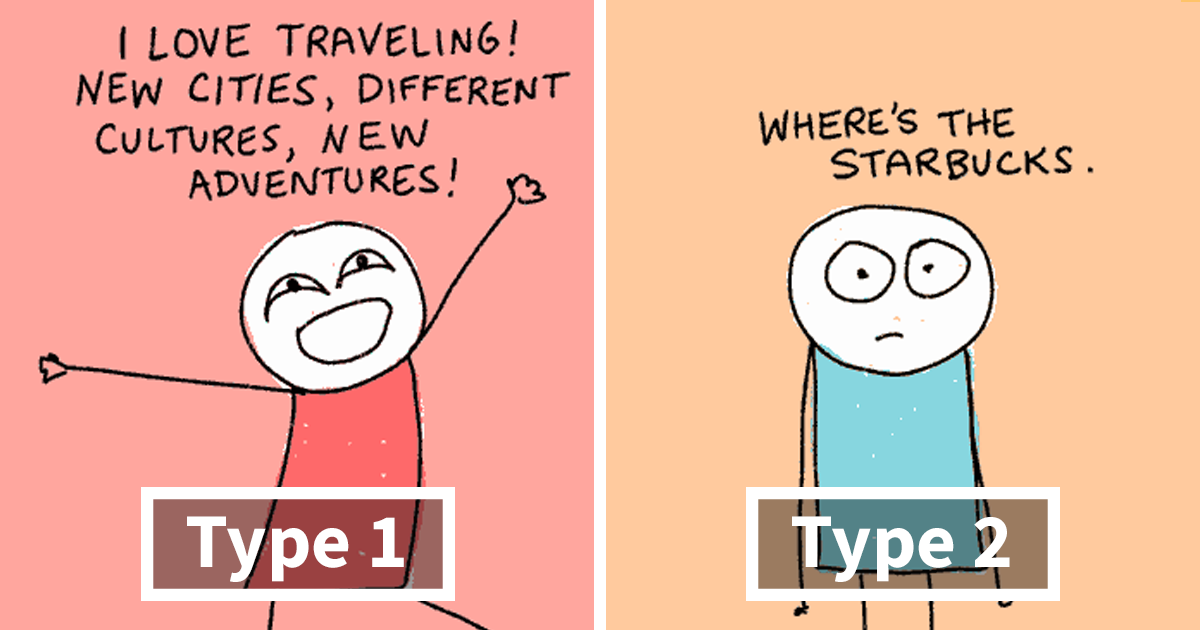
Every trip has a moment when humanity divides into two deeply committed camps. One person has a color-coded itinerary, a restaurant reservation, a portable charger, and a weather backup plan. The other person has sunglasses, a half-charged phone, and the powerful belief that “we’ll figure it out.”
Neither traveler is wrong. One simply treats a vacation like a friendly military operation, while the other treats it like a movie montage with snacks. The real fun begins when these two travel personalities end up sharing a rental car.
From airport timing and packing habits to road-trip detours and restaurant choices, these 10 picture-perfect travel moments reveal whether you are a meticulous planner, a spontaneous traveler, or the rare hybrid creature who can book a museum ticket and still disappear down a charming side street.
There Are Two Main Types of Travelers: Planners and Wanderers
Travel style is not a personality test with a correct answer. It is simply the way you protect your peace while exploring somewhere unfamiliar. A planner traveler feels relaxed after researching transportation, hotel locations, attraction hours, and the nearest place to buy coffee before 8 a.m. A spontaneous traveler feels relaxed after refusing to research any of that until they arrive.
The planner wants certainty. The wanderer wants possibility. One traveler saves a screenshot of every reservation. The other assumes the universe, a friendly stranger, and mobile data will somehow coordinate their day.
In reality, the best travel experiences often borrow a little from both sides. Smart trip planning can prevent avoidable stress, especially when flights, entry requirements, reservations, weather, health needs, or long drives are involved. At the same time, leaving room for surprises can turn an ordinary schedule into the story everyone talks about long after the souvenir magnets disappear.
10 Pics That Reveal Your Travel Personality
The “Three Hours Early” Traveler vs. the “Boarding Is a Suggestion” Traveler
The planner arrives at the airport so early that they have time for breakfast, a second breakfast, and a quiet reflection on why everyone else seems to be panicking. Their documents are organized. Their bag is zipped. Their gate is checked twice, then checked again because peace is precious.
The spontaneous traveler arrives with the energy of someone entering an action movie. They are jogging, apologizing, and loudly asking whether the gate has “just closed” or “closed closed.” Somehow, they often make the flight. This is not evidence that their method works. It is evidence that airport employees deserve medals.
The Capsule Wardrobe Champion vs. the Suitcase Maximalist
One traveler packs eight coordinated items that create 26 possible outfits. Their suitcase contains neutral layers, practical shoes, and a toiletry bag that could qualify for a minimalist design award. They can move through a train station without looking like they are relocating permanently.
The other traveler packs for every imaginable climate event, including a beach day, a mountain blizzard, a formal wedding, and perhaps a surprise appearance on a cooking competition. Their bag weighs enough to develop its own weather system. They may not wear half of it, but they will be emotionally comforted by the presence of three extra sweaters.
The Researcher vs. the “It Looked Cute Online” Booker
The planner traveler knows the hotel’s neighborhood, airport transfer options, breakfast hours, cancellation policy, and whether the elevator is suspiciously small. They read reviews with the investigative intensity of a detective solving a very polite crime.
The spontaneous traveler booked the place because the lobby had a nice plant in one photo. They have not checked the distance from the train station, but they are optimistic. If the hotel turns out to be four staircases above a karaoke bar, they will call it “part of the local experience.”
The Hour-by-Hour Strategist vs. the Professional Drifter
The strategist has a list titled “Day 2: Historic District,” complete with walking routes, ticket times, lunch options, and a note that says “sunset viewpoint if energy permits.” They are not controlling. They are simply trying to avoid spending 45 minutes debating what to do while standing beside a trash can.
The professional drifter wakes up, looks out the window, and asks, “What feels right today?” This can lead to a beautiful afternoon in a neighborhood market. It can also lead to eating a granola bar at 4 p.m. because nobody made a plan and every restaurant nearby is fully booked.
The Reservation Hero vs. the Side-Street Snacker
The reservation hero has studied menus, saved local favorites, and booked a table at a restaurant that is apparently impossible to enter without planning three weeks ahead. They know exactly what they want to order before the server appears.
The side-street snacker believes the best meal is usually found by accident. They will ignore a famous restaurant in favor of a tiny place with handwritten signs, six stools, and one grandmother quietly judging everyone’s soup choices. To be fair, this traveler often finds unforgettable food. They also occasionally find a closed kitchen and a vending machine.
The Golden-Hour Planner vs. the “Wait, This Is Beautiful” Explorer
The golden-hour planner knows when the light is best, where the landmark is least crowded, and which viewpoint will make their photo look like it belongs on a travel magazine cover. They have charged the camera, cleaned the lens, and possibly brought a tiny tripod.
The spontaneous traveler takes photos when something surprises them: a dog sleeping outside a bakery, a woman selling flowers from a bicycle, a strange sign that says “No Fish Dancing,” or a dramatic cloud that appears while they are lost. Their camera roll looks less polished, but it often feels more alive.
The Must-See Masterpiece Hunter vs. the Accidental Art Lover
The masterpiece hunter enters with a mission. They know the museum map, the famous works, the route to the café, and which exhibit closes first. They can enjoy a major collection in two hours without wandering into the gift shop by mistake.
The accidental art lover gets distracted by a painting in a quiet side room, reads every label, and becomes unexpectedly emotional about a ceramic bowl from 1840. They may miss the famous masterpiece entirely, but they leave with a favorite memory no guidebook could have assigned.
The Route Keeper vs. the “What Is That Giant Statue?” Traveler
The route keeper wants to arrive before dark, avoid expensive fuel stops, and make sure everyone reaches the cabin while they still have the energy to find the key box. They respect the estimated arrival time because it is a promise, not a decorative suggestion.
The detour traveler sees a handmade sign advertising antique tractors, homemade pie, a waterfall, or “WORLD’S LARGEST SOMETHING” and immediately wants to pull over. Their instinct is often excellent. A memorable road trip needs a little weirdness. The trick is making detours without accidentally turning a four-hour drive into a seven-hour documentary about roadside corn mazes.
The Layering Expert vs. the Optimistic Shorts Wearer
The layering expert checks the weather several times, packs a rain jacket, and brings shoes appropriate for the terrain. They are mildly annoying at first and deeply appreciated later, especially when the temperature drops, the rain begins, or the “easy path” becomes a muddy adventure.
The optimistic shorts wearer sees a 10% chance of rain and decides that means rain has been canceled. They are surprised by wind, sunburn, cold museums, hot buses, and the fact that mountains are cooler than beaches. Their travel bag contains confidence, vibes, and one emergency sweatshirt borrowed from the planner.
The Memory Archivist vs. the “I Was There” Philosopher
The memory archivist comes home with labeled photo folders, saved tickets, restaurant notes, and a list of places to revisit. They can tell you the name of the small café near the cathedral, the exact bus route to the beach, and where to find the best pastry in the neighborhood.
The “I was there” philosopher comes home with 312 blurry photos, a paper wristband, and one mysterious receipt. They may not remember the name of the café, but they remember laughing until their stomach hurt, getting caught in warm rain, and discovering a street musician who made the whole evening feel cinematic.
Why Neither Travel Style Is Better
What Planner Travelers Get Right
Planning protects the parts of a trip that are expensive, time-sensitive, or difficult to fix later. Booking a popular attraction, checking transportation options, understanding local rules, setting a budget, and keeping essential documents organized are not boring chores. They are the invisible structure that lets the fun parts happen with less stress.
Planner travelers are also often the reason group trips do not collapse into a dramatic debate outside a closed restaurant. They remember arrival times, reservation numbers, medication, charging cables, and the fact that the museum is closed on Tuesdays. Every friend group secretly needs one.
What Spontaneous Travelers Get Right
Spontaneous travelers notice the things schedules can miss. They talk to locals, change direction when a neighborhood feels interesting, stay longer at places they love, and accept that not every meaningful travel moment appears on a “Top 10 Things to Do” list.
They also understand something planners can forget: you are not being graded on vacation efficiency. Missing one attraction does not mean the trip failed. Sometimes the best travel story begins when the schedule loosens, the map becomes less important, and somebody says, “Let’s see what’s down that street.”
How to Travel Together Without Starting a Tiny Vacation Civil War
The real challenge is not deciding whether planning or spontaneity is superior. It is traveling with someone whose approach is the opposite of yours without turning breakfast into a negotiation summit.
- Choose a few non-negotiables. Book transportation, accommodations, key tickets, and anything with limited availability.
- Protect open time. Leave blocks in the day for wandering, resting, shopping, or accidentally finding a bakery that changes your life.
- Discuss budgets early. A traveler who loves boutique hotels may not realize their travel companion prefers inexpensive stays and extra spending money for activities.
- Divide responsibilities. Let the planner manage logistics and let the wanderer choose a meal, a neighborhood, or one surprise stop each day.
- Build a backup plan. Weather, delays, closures, fatigue, and missed trains happen. A second option is not pessimism; it is travel insurance for your mood.
The sweet spot is a flexible itinerary: enough structure to avoid chaos, enough freedom to notice when the day offers something better than the original plan.
Travel Experiences: The 500-Word Case for Doing Both
The longer you travel, the more obvious it becomes that the planner and the wanderer are not enemies. They are two useful voices in the same backpack. One voice says, “Download the map before you lose service.” The other says, “That alley smells like fresh bread. Let’s investigate.” A great trip needs both.
Consider the classic city-break experience. The planner books a centrally located hotel, checks which attractions require advance tickets, and identifies the airport train before landing. This makes the first day easier. Nobody is standing in a foreign station staring at a broken ticket machine while hunger turns a simple disagreement into a courtroom drama. The basics are handled, which means the group can relax sooner.
Then the wanderer takes over. On the walk back from the famous landmark, they notice a side street with a small bookstore, a local market, or a café with tables spilling into the sunshine. The planner might have walked right past because the museum reservation is in 40 minutes. The wanderer pauses, looks around, and discovers the texture of the city: the conversations, smells, music, pastries, storefronts, and ordinary routines that never fit neatly into a guidebook.
Road trips make the contrast even funnier. A planner knows the fuel stops, hotel check-in time, scenic route, and estimated arrival. They may seem overly prepared until the route suddenly closes because of weather, construction, or an event nobody mentioned. Then their saved alternate route makes them look less like a control enthusiast and more like a slightly smug guardian angel.
But a road trip without spontaneous energy can become a moving spreadsheet. The whole point of driving is that the landscape gets a vote. A handmade sign for pie, an overlooked swimming hole, a vintage shop, a farm stand, or a bizarre local museum can become the highlight of the day. You may arrive later than expected, but you also return home with a story better than “we followed the navigation app perfectly.”
Family travel offers another lesson. Parents often need planning because children are not always enchanted by the phrase “we’ll just walk around for six hours.” Snacks, breaks, transportation, reservations, and realistic activity limits matter. Yet families also benefit from loose moments: an unexpected playground, an extra hour at the pool, a street performer who captures everyone’s attention, or a rainy afternoon spent playing cards in the hotel room.
Solo travel may be where the hybrid approach shines brightest. A solo traveler can plan a safe place to sleep, a reliable arrival route, a few key activities, and a way to stay connected. Once those basics are secure, there is freedom to follow curiosity. You can spend an hour in a park, join a walking tour, linger over lunch, or change tomorrow’s plan because someone recommended a small town that sounds perfect.
The best travel memories rarely come from perfect execution alone. They come from the blend of preparation and surprise. They come from having the important details handled well enough that you can enjoy the unexpected. So bring your spreadsheet, bring your sense of humor, and maybe leave one afternoon completely unplanned. The world is full of reasons to make a reservation. It is also full of reasons to miss a turn on purpose.
Conclusion: Your Boarding Pass Does Not Need a Personality Test
There may be two types of travelers in the world, but most of us are a little of both depending on the destination, budget, travel companions, and level of hunger. You can be the person who books the important tickets months ahead and still happily follow the smell of grilled street food through an unfamiliar neighborhood.
The planner traveler gives a trip stability. The spontaneous traveler gives it sparkle. Put them together, and you get something better than a perfect itinerary or a completely open day: a travel experience with fewer avoidable disasters and more unforgettable surprises.
So, which one are you? The person with a spreadsheet, a backup battery, and a saved map? Or the person who packs 20 minutes before leaving and trusts the journey to unfold? Either way, travel well, stay curious, and do not let anyone convince you that a vacation needs to be efficient enough to qualify as a corporate presentation.












