
Winter has a special talent for exposing every little weakness your car has been hiding since July. That slightly lazy battery? Suddenly dramatic. Those “still okay-ish” wiper blades? Now smearing sleet like a toddler with finger paint. The good news is that learning how to winterize your car does not require a mechanical engineering degree, a heated garage, or the emotional strength of a snowplow driver at 5 a.m.
With a few smart checks before temperatures drop, you can make cold mornings easier, improve traction, protect important parts, and lower the odds of getting stranded with nothing but an ice scraper and bad decisions. The best winter car maintenance plan is simple: handle the basics before the first deep freeze, stay consistent, and do not wait for your vehicle to file a formal complaint through a warning light.
This guide breaks the process into eight easy steps, with practical examples and realistic advice for everyday drivers. Whether you deal with heavy snow, freezing rain, slush, or just brutal cold snaps, these winter car prep tips will help you head into the season with more confidence and fewer roadside surprises.
Why Winterizing Your Car Matters
Cold weather changes how your vehicle behaves. Tire pressure drops as temperatures fall. Batteries lose cranking power. Fluids need to be at the right level and type. Visibility gets worse when snow, road salt, and dark afternoons team up like comic book villains. Even a car that feels perfectly fine in mild weather can struggle once winter arrives.
That is why winterizing your car is less about pampering it and more about preparing it. A good winter prep routine helps your car start easier, stop better, see more clearly, and stay safer when the roads get slick. It can also save money by preventing bigger problems later, which is always nicer than handing your paycheck to a tow truck.
Step 1: Test the Battery Before It Quits on the Coldest Morning
Your battery works harder in winter, and cold temperatures reduce its performance right when the engine needs extra power to start. That is why battery issues often show up during the first serious cold snap, usually at the exact moment you are already running late.
What to do
- Have the battery and charging system tested before winter gets serious.
- Check the battery terminals for corrosion and make sure the connections are tight.
- Ask how old the battery is if you are not sure. An aging battery deserves extra suspicion.
- Make sure the alternator and belts are in good shape too, because a strong battery cannot do everything alone.
If your car has been cranking slowly, needed a jump recently, or has electronics that seem moody in the morning, do not ignore those signs. Winter does not reward optimism. Replacing a weak battery in your driveway at home is far less annoying than discovering its retirement plans in a grocery store parking lot.
Step 2: Check Tire Pressure, Tread Depth, and Overall Grip
If winter driving had a hero, it would be your tires. Not all-wheel drive. Not a fancy badge on the trunk. Tires. They are the only part of the vehicle touching the road, so they deserve star treatment.
As temperatures drop, tire pressure falls too. Underinflated tires can reduce traction, wear unevenly, and make handling worse on icy or slushy roads. Check pressure when the tires are cold, and use the pressure listed on the driver’s door jamb or in the owner’s manual, not the number molded into the tire sidewall.
What to do
- Check tire pressure at least monthly in winter, and more often during big temperature swings.
- Inspect tread depth and sidewalls for cracks, bulges, cuts, or uneven wear.
- Do not forget the spare tire.
- Rotate your tires if they are due.
If you live where winter is more “snow globe” than “slightly chilly,” consider dedicated winter tires. They are designed to stay flexible in cold weather and grip better on snow and ice. That matters because rubber that performs well in warm conditions does not always behave the same way when temperatures plunge.
A practical example: a driver in Minneapolis with decent all-season tires might still manage light snow just fine, but a driver dealing with repeated subfreezing mornings, packed snow, and icy intersections will usually notice a real difference with winter tires. Better traction when starting is nice. Better traction when stopping is the part that gets everyone home.
Step 3: Top Off the Right Fluids, Especially Coolant and Washer Fluid
Winter is not the season for fluid neglect. Your vehicle depends on several fluids year-round, but two deserve special attention before cold weather: coolant and windshield washer fluid.
Coolant first
Coolant, also called antifreeze, helps keep the cooling system from freezing in low temperatures and overheating when the engine is working hard. It also supports your heater and defroster. In other words, it helps protect both your engine and your comfort, which is a nice two-for-one deal.
Use the type recommended by your manufacturer. Mixing the wrong coolant types can create expensive problems, so this is not the place for mystery fluid from the back shelf of the garage.
Washer fluid next
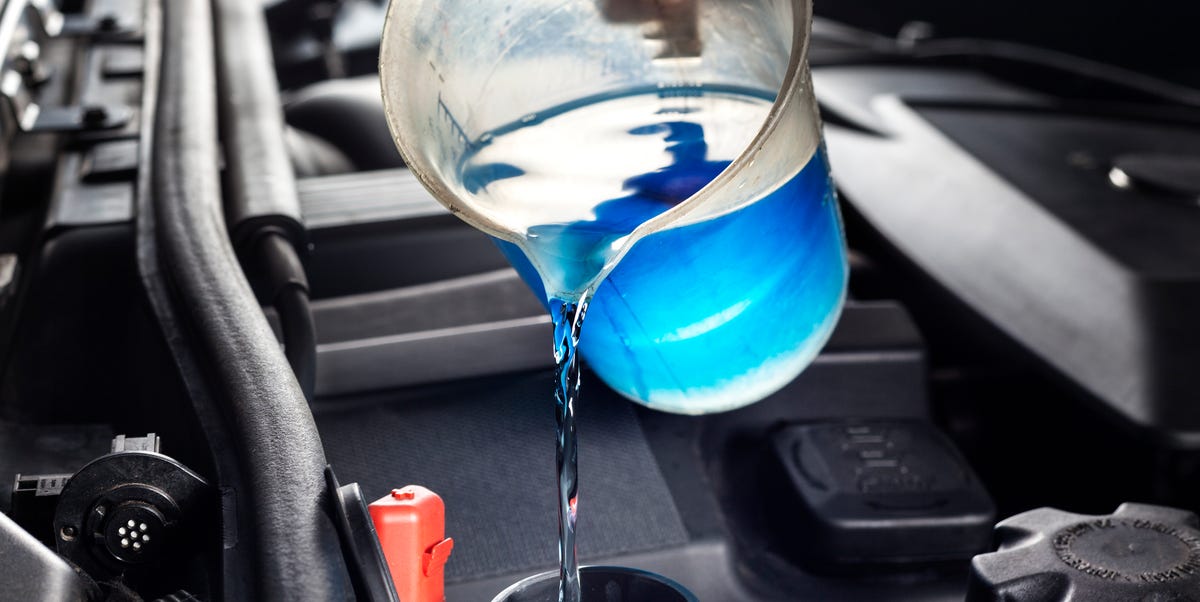
Standard washer fluid is not enough in harsh winter weather. Use winter-rated washer fluid or fluid with de-icer, especially if you drive through snow, slush, and salty spray. Visibility can disappear fast when grime builds up on the windshield.
What to do
- Check coolant level and condition.
- Inspect hoses for cracks, softness, swelling, or leaks.
- Fill the washer reservoir with winter-ready fluid.
- Review other key fluids too, including oil, brake fluid, and transmission fluid based on your maintenance schedule.
If you are due for an oil change, do not postpone it until the middle of January when the wind feels personally insulting. Fresh oil that meets your vehicle’s specifications helps the engine do its job more smoothly in cold weather.
Step 4: Replace Wiper Blades and Make Sure Defrosters Actually Defrost
Bad wipers in summer are annoying. Bad wipers in winter are a lifestyle crisis. Between sleet, salt film, freezing drizzle, and early darkness, you need clear glass every time you drive.
What to do
- Replace worn or streaky wiper blades.
- Consider winter wiper blades if you get frequent snow and ice.
- Test the front and rear defrosters.
- Make sure the heater blows warm air and the fan settings work properly.
If your windshield fogs up and takes forever to clear, or your blades chatter across the glass like they are protesting labor conditions, fix it before the weather gets ugly. Good visibility is not optional. It is one of the most overlooked parts of winter car safety.
Keep an ice scraper and snow brush in the vehicle too. Yes, even if you swear you only park in garages. Winter loves proving people wrong.
Step 5: Inspect Lights, Glass, and General Visibility
Winter driving often means darker commutes, lower visibility, and more grime on everything. Your headlights, brake lights, turn signals, and emergency flashers all matter more this time of year, especially when snow is falling or daylight disappears before dinner.
What to do
- Check headlights, taillights, brake lights, turn signals, and hazard lights.
- Clean cloudy headlight lenses if needed.
- Inspect the windshield for chips that could spread in cold weather.
- Keep mirrors and windows clean inside and out.
A small windshield chip in October can become a long crack by January thanks to freezing temperatures and defroster heat. Fixing minor glass damage early is much cheaper than replacing the whole windshield later.
This is also a good time to clean the inside of your windshield. It sounds boring because it is boring, but it reduces haze and glare from headlights at night. Sometimes the least glamorous advice is the most useful.
Step 6: Inspect Brakes, Belts, Hoses, and the Cooling System
Winter roads are already challenging. You do not need your vehicle adding plot twists. A pre-winter inspection of the mechanical basics can catch problems before they become expensive or dangerous.
What to do
- Listen for squealing, grinding, or pulsation when braking.
- Check brake pads, rotors, and brake fluid if service is due.
- Inspect belts for fraying, cracking, or glazing.
- Look at radiator and heater hoses for wear or leaks.
- Ask for a general inspection if you are already visiting a shop for oil or tire service.
Think of this step as the “do not let small problems audition for a starring role” part of your winter prep. A worn belt can fail at the worst time. A weak hose can split in freezing weather. Brakes that were merely “not amazing” in dry conditions may feel much worse when the road is slick.
If your steering feels odd, the suspension clunks, or the car pulls during braking, do not write it off as “probably nothing.” Winter has a habit of turning “probably nothing” into “definitely expensive.”
Step 7: Pack a Real Winter Emergency Kit
A winter emergency kit is one of those things people mean to assemble right after they alphabetize the spice rack and learn to fold fitted sheets. Still, it matters. Even a minor breakdown in freezing weather can become serious fast.
What to keep in the car
- Ice scraper and snow brush
- Small shovel
- Jumper cables or a portable jump starter
- Flashlight with extra batteries
- Phone charger or power bank
- Reflective triangles or emergency markers
- Blankets, gloves, hat, and extra warm layers
- Water and shelf-stable snacks
- First aid kit
- Sand, kitty litter, or traction aids if you drive in snow-prone areas
You do not need to prepare for a three-week arctic expedition. You just need enough gear to handle a delay, a dead battery, a snowy shoulder, or a stuck car without turning into an ice cube with car insurance.
If you often travel with children, older relatives, or pets, customize the kit. Extra medication, hand warmers, pet supplies, and spare chargers are not overkill when the temperature drops and the road conditions get weird.
Step 8: Do a Winter Dry Run Before the Weather Turns Nasty
This last step ties everything together. Before the season fully hits, do one calm, boring, wonderfully preventative check.
Run through this mini test
- Start the car on a cold morning and listen for slow cranking.
- Check heater, fan speeds, and defrosters.
- Test washers and wipers.
- Verify lights are working.
- Confirm tire pressure again after a temperature drop.
- Look under the car for leaks.
- Make sure your emergency kit is actually in the vehicle and not “on the garage shelf for now.”
This is also the time to think about your driving habits. Clear all snow from the roof, hood, lights, and windows before you leave. Keep extra following distance. Brake and steer gently. And if the weather is truly awful, remember that the best winter driving tip is sometimes the least exciting one: do not go unless you really need to.
Common Winterizing Mistakes to Avoid
- Waiting until the first storm to check the battery.
- Using the tire sidewall number instead of the vehicle’s recommended tire pressure.
- Assuming all-wheel drive replaces good tires.
- Forgetting the spare tire.
- Keeping summer washer fluid in freezing weather.
- Ignoring worn wiper blades because “they still kind of work.”
- Carrying an emergency kit with dead flashlight batteries and expired snacks from the previous administration.
Final Thoughts
Learning how to winterize your car in 8 easy steps is really about stacking small advantages before winter tests everything at once. A healthy battery, properly inflated tires, correct coolant, fresh washer fluid, working wipers, bright lights, solid brakes, and a stocked emergency kit can make the difference between a routine cold-weather commute and a memorable disaster you retell forever.
You do not need to do everything in one dramatic weekend montage. Start with the essentials, knock out the highest-priority items first, and use your owner’s manual as the final authority for your specific vehicle. Winter will still be winter, but your car will be much better prepared for it. And that means you can spend more time getting where you are going, and less time standing in a parking lot wondering why your battery chose violence.
Real-World Winter Lessons From the Driver’s Seat
Plenty of drivers learn the importance of winter car prep the hard way. It usually starts with a sentence like, “I thought it would be fine for one more week.” One more week becomes one icy morning, and that icy morning becomes a dead battery, a frozen windshield, or tires that feel more like hockey pucks than safety equipment.
A common example is the commuter who never worries about the car until the first truly cold day. The vehicle ran perfectly in October, so winter feels like a problem for Future Me. Then January arrives, the battery struggles, the windshield washer fluid freezes, and the morning commute turns into a parking-lot troubleshooting session with numb fingers. That experience teaches a brutal but effective lesson: if a part is already weak, cold weather will not be kind enough to overlook it.
Another classic winter story involves tires. A lot of drivers assume all-season tires are magical because the name sounds reassuring. Sometimes they are perfectly adequate, especially in milder climates. But in places with repeated snow, freezing temperatures, and slick intersections, drivers often notice that the car does not feel nearly as confident as it did in dry weather. The steering feels vague, stopping distances stretch, and every incline suddenly feels like a negotiation. People who switch to proper winter tires in harsh climates often describe the difference in the same way: the car simply feels calmer and more predictable.
Visibility problems are another underrated winter headache. Many drivers do not replace wiper blades until they are obviously terrible. In summer, that might be merely annoying. In winter, it can be exhausting. Road salt, slush, and freezing mist create a dirty film that keeps returning even after you clean the glass. When the blades streak and chatter, every set of headlights becomes a glare bomb. Drivers who have been through that once usually become very loyal to fresh blades and winter washer fluid.
Then there is the emergency kit lesson. People sometimes joke that keeping snacks, blankets, and a small shovel in the trunk feels overly dramatic. It feels much less dramatic when traffic stalls during a storm, a side street has not been plowed, or a battery gives up in a lonely parking lot after sunset. In those moments, a simple kit turns stress into inconvenience instead of panic. It is not about expecting disaster every day. It is about respecting the fact that winter can turn small delays into bigger problems very quickly.
The bigger takeaway from all these experiences is simple: winter rewards preparation. Drivers who spend a little time checking the boring stuff before the season hits usually enjoy a much less exciting winter. And in this case, “less exciting” is exactly the goal.












