
Sometimes you do not want a new body; you simply want an outfit that behaves itself. Smart choices in fit, color, proportion, and fabric can create a longer, cleaner silhouette without crash diets, strategic breath-holding, or spending dinner afraid of a bread basket.
Although the title uses the popular search phrase “ways to look skinny,” the healthier goal is to look streamlined, balanced, and confident. Your body is not a fashion problem. Clothes are tools, and good tools should work for you.
Why Certain Outfits Look More Slimming
The eye notices lines, contrast, scale, and proportion before it notices a size label. A continuous color story can lengthen the body; a sharp color break can divide it. A clean hem extends the leg, while bunching fabric interrupts it. Fashion editors and stylists repeatedly return to four fundamentals: proper fit, balanced volume, intentional waist placement, and uninterrupted lines.
15 Ways to Look Slimmer in Clothes
1. Put Fit Ahead of Size
The best slimming trick is wearing clothes that fit correctly. Tight garments create pulling, puckering, and horizontal stress lines; overly loose pieces add volume and hide your shape. Look for fabric that skims rather than squeezes. Shoulder seams should sit properly, waistbands should lie flat, and buttons should remain calm instead of looking ready to resign. Small alterations such as hemming pants or shortening sleeves can transform proportion.
2. Create a Monochromatic Column
One color from shoulder to shoe reduces visual breaks and can make the frame appear longer. Black works, but so do navy, chocolate, charcoal, olive, burgundy, cream, and denim. Keep the outfit interesting by mixing textures: ribbed knit with smooth trousers, matte crepe with leather, or dark denim with chambray. The shades need not match exactly; related tones often look richer and less uniform-like.
3. Define the Waist Strategically
A visible waist gives an outfit structure. Try a half-tuck, wrap top, shaped jacket, soft belt, or dress with thoughtful seaming. To make legs look longer, place the visual waist near your natural waist or slightly above it. However, very high rises can crowd a short torso, so test several positions. The best waistline follows your proportions, not a universal rule shouted by a social-media graphic.
4. Use Vertical Pathways
Center creases, long seams, button plackets, open jackets, narrow scarves, pleats, and subtle pinstripes encourage the eye to travel up and down. Still, “vertical always slims and horizontal always widens” is an oversimplification. Research shows that stripe spacing, contrast, garment shape, and viewer expectations can change the effect; some experiments even found certain horizontal patterns appeared thinner. Choose stripes by what looks good on you, not fashion folklore.
5. Balance Volume
Head-to-toe tight clothing highlights every transition, while head-to-toe oversize clothing can erase your proportions. Use contrast instead: a relaxed blazer with straight pants, wide-leg trousers with a tucked knit, or a flowing skirt with a fitted top. Think “one generous shape, one controlled shape.” Stylists use this balance to keep relaxed outfits modern rather than bulky.
6. Open the Neckline
V-necks, scoop necks, open collars, and partially unbuttoned shirts create space around the face and a downward line through the torso. A long pendant can reinforce the effect. If you prefer crewnecks or turtlenecks, add an unbuttoned blazer, vest, or cardigan to create a similar opening. The goal is not more skin; it is a clean visual route that prevents the upper body from looking boxed in.
7. Choose the Right Rise and Hem
High-rise pants often lengthen the legs because the visible waist begins higher. Wide-leg pants can also look lean when they fit smoothly at the waist and fall in a clean line. Full-length trousers should nearly meet the shoe without puddling. Cropped pants usually flatter most when they reveal the narrow area above the ankle rather than ending at the widest part of the calf.
8. Add a Long, Open Layer
An unbuttoned blazer, cardigan, vest, trench, or lightweight duster creates two vertical edges down the front of the body. It works especially well over a same-color base. Check where the layer ends: a jacket stopping at the widest part of the hip may emphasize that point, while a slightly shorter or longer hem can look smoother. The fabric should hang cleanly, not gather behind you like a confused stage curtain.
9. Soften Harsh Color Breaks
High contrast can be stylish, but it divides the body into sections. For a longer silhouette, keep the top and bottom similar in color depth: navy with dark denim, camel with chocolate, or pale gray with charcoal. You can still use bright color in a jacket, bag, earrings, or lipstick. A cohesive central column gives the eye one long shape while accessories provide personality.
10. Continue the Leg Line Into the Shoe
Shoes close in color to your pants, tights, or skin reduce the visual stop at the ankle. Try black pants with black loafers, navy tights with navy shoes, or a nude-to-you shoe with bare legs. Pointed and almond toes may add length, but comfort wins. A shoe that makes you walk like a newborn giraffe is not improving the outfit.
11. Place Dark Colors With Purpose
Dark, low-reflective colors often recede visually, but you do not need to dress in permanent head-to-toe black. Put darker shades where you want less emphasis and brighter shades where you want attention. Dark trousers with an open-neck colorful blouse, for example, draw the eye upward. Strategic placement matters more than treating every invitation as a call for elegant mourning clothes.
12. Choose Fabrics That Skim
Very thin fabric may cling to every seam, while extremely stiff material can add unwanted volume. Look for enough weight to drape smoothly and enough structure to maintain a clean outline. Ponte knit, substantial jersey, crepe, twill, structured denim, and lined woven fabrics often work well. Test the garment while sitting, walking, and reaching; clothes must pass real life, not only the motionless fitting-room pose.
13. Control Print Scale and Placement
Prints attract attention, so place them deliberately. A pattern near the neckline draws the eye toward the face; diagonal designs, side panels, and center-focused motifs can change how the silhouette is read. Large, widely spaced patterns create more movement than smaller, low-contrast prints. No print is universally forbidden. Cut, scale, and placement matter more than a dusty rule inherited from 1987.
14. Start With Comfortable Support
A well-fitting bra can improve where a top hangs and where the waist appears. Seamless underwear can reduce visible lines. Optional shapewear may smooth fabric under a fitted dress, but it should not pinch, roll, restrict breathing, or make sitting a competitive sport. Testing shows that comfort and compression vary by garment, so use the lightest support that creates the finish you want.
15. Use Relaxed Posture and Confident Movement
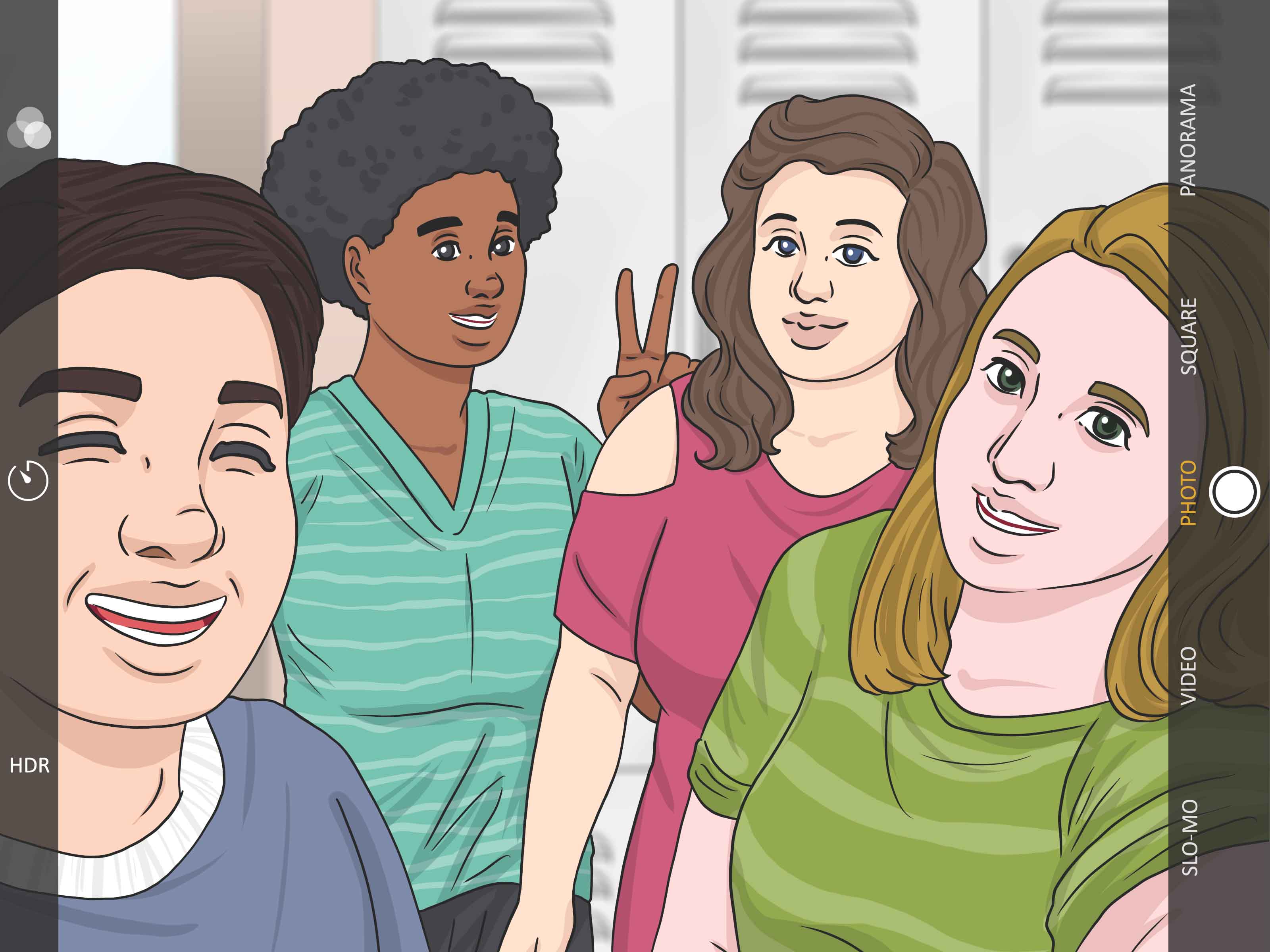
Relax your shoulders, lengthen the neck, and distribute your weight comfortably. Clothes hang more cleanly when you are not collapsing forward. For photos, turn slightly, leave a little space between your arms and torso, and shift your weight naturally. Then stop performing geometry for the camera. The most flattering expression usually appears when you are enjoying yourself and have forgotten to monitor your stomach.
Three “Slimming” Mistakes That Backfire
First, buying a smaller size does not make the body look smaller; it makes the garment look strained. Second, hiding under excessive fabric can add more visible volume than a body-skimming outfit. Third, treating comfort as the enemy of polish usually creates stiffness and poor posture. A supposedly flattering outfit that prevents sitting, eating, or breathing normally is not fashion. It is fabric-based hostage negotiation.
Experience-Based Examples From the Fitting Room
These are composite styling experiences based on common fitting-room situations. They illustrate changes in fit and proportion, not weight-loss transformations.
Experience 1: The Oversized Office Outfit
Imagine someone wearing a long loose blouse, wide trousers, and a boxy blazer because each piece promises coverage. Together, however, they form one large rectangle. Replacing everything with tight clothing is unnecessary. Keeping the trousers, half-tucking the blouse, and choosing a blazer that fits at the shoulders creates structure. Rolling the sleeves reveals the wrists, while shoes matching the trousers extend the leg line. The body has not changed; the outfit has simply stopped arguing with itself.
Experience 2: The Special-Event Dress
A person preparing for a wedding may choose a shapeless black dress, assuming darkness alone guarantees a slimmer appearance. Yet fabric hanging straight from the bust can add visual volume through the middle. A wrap detail, defined waist seam, or gently shaped jacket often creates a cleaner outline. A correctly fitted bra may also help the dress sit where its designer intended. Lightweight smoothing shorts are optional, but the winning outfit still permits dinner, dancing, and dessert without emergency extraction.
Experience 3: The Jeans That “Make Me Look Bigger”
When every pair of jeans seems wrong, the problem is often rise, pocket placement, or hem rather than the body. A low rise may lengthen the torso and shorten the legs. Tiny, widely spaced back pockets can change the apparent scale of the seat. Excess fabric stacking at the ankle interrupts the line. Trying a slightly higher rise, smoother front, proportionate pockets, and a hem matched to the shoe can make the same person look noticeably more balanced.
Experience 4: The Monochrome Experiment
Someone skeptical of monochrome dressing may picture a severe black uniform. A softer experiment combines charcoal trousers, a heather-gray knit, and dark gray shoes, then adds a burgundy bag. The colors are related but not identical, so the eye reads one long column without the outfit feeling flat. This shows why slimming style rarely depends on one magical garment. It comes from several quiet decisionswaist placement, hem length, drape, contrast, and footwearworking together.
Experience 5: The Camera Test
An outfit can look balanced in person but distorted by a wide-angle phone camera. Standing at the edge of a group may stretch proportions, while a low camera can enlarge the lower body. Moving nearer the center, asking the photographer to step back, and standing at a gentle angle usually creates a more natural image. After checking that the outfit fits and is not unexpectedly transparent, stop rearranging it. Cameras often respond better to relaxed energy than to a perfectly calculated elbow position.
Experience 6: Shopping by Label Instead of Shape
Another familiar experience occurs when someone refuses to try a larger size because the number feels discouraging. The smaller garment pulls and creates extra lines, while the next size hangs smoothly and looks visibly sleeker. Clothing sizes vary widely between brands, cuts, and fabrics, so the label is unreliable evidence. Choosing the piece that fits best usually creates a slimmer-looking result than forcing the body into the number that feels emotionally preferable.
Conclusion: Create a Longer Line, Not a Smaller Life
The best ways to look skinny in clothes are really ways to improve visual balance. Begin with fit, then use color, waist placement, clean hems, thoughtful layers, supportive foundations, and comfortable shoes to guide the eye. Most importantly, choose an outfit that lets you sit, eat, move, and laugh. Style should expand your confidence, not shrink your life.













