
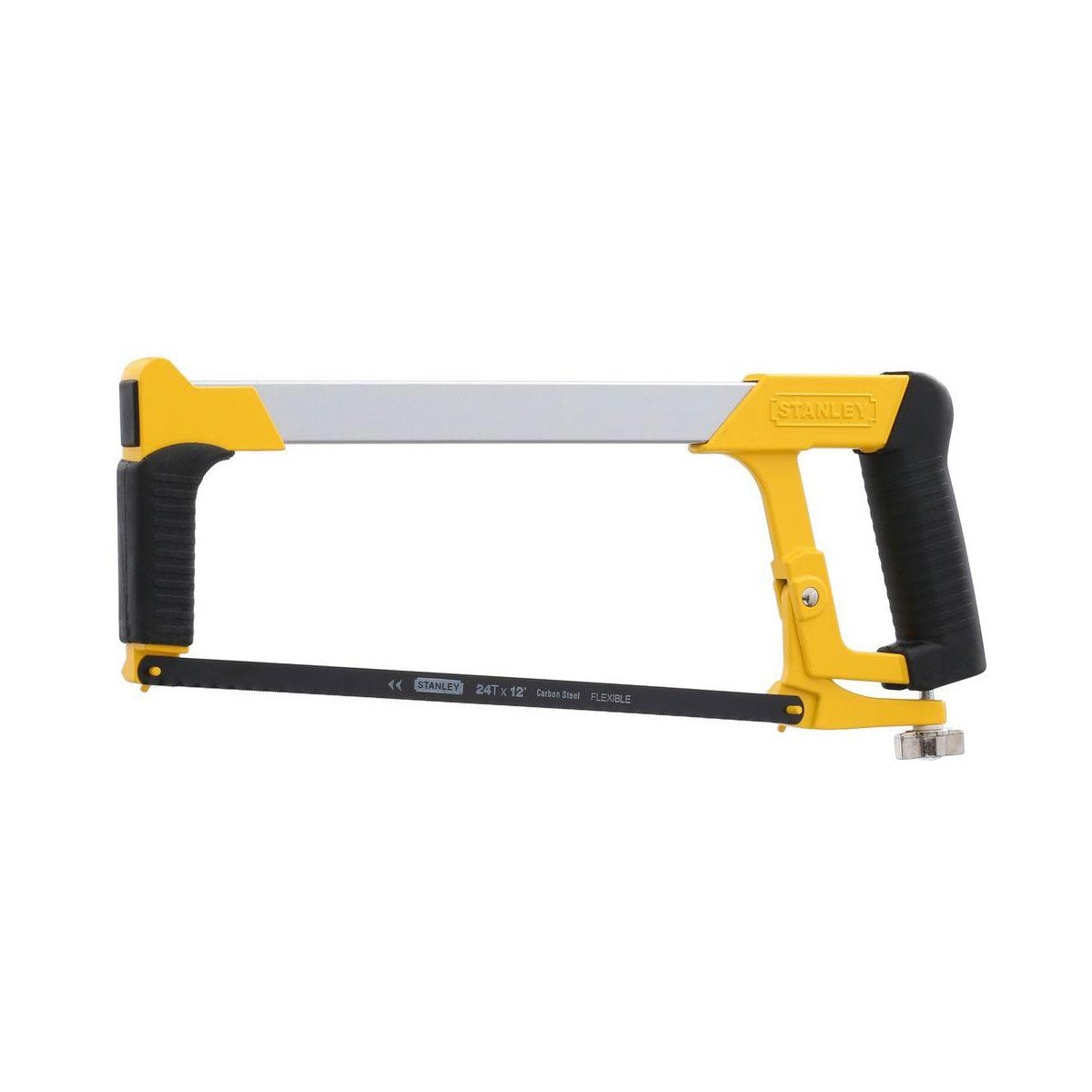
A hacksaw is the hand tool you reach for when a bolt is too long, a pipe refuses to cooperate, or a piece of metal needs to become two smaller pieces of metal. It is simple, affordable, portable, and refreshingly free of batteries, chargers, extension cords, and mysterious blinking lights.
Although a hacksaw is best known as a metal-cutting saw, the right blade can also cut plastic pipe, fiberglass, ceramic, masonry products, and even small pieces of wood. The tool is especially useful when precision, control, or access matters more than raw speed. In other words, it may not be the loudest tool in the garage, but it often solves the problem without waking the neighbors.
What Is a Hacksaw, Exactly?
A hacksaw is a fine-toothed hand saw built around a rigid frame that holds a narrow, replaceable blade under tension. A typical full-size model has a roughly C-shaped frame, a pistol-style handle, mounting pins, and a tensioning mechanism. Most standard hacksaws accept a 12-inch blade, while compact and junior models use shorter blades for small jobs and confined spaces.
The tool was developed primarily for cutting metal. Unlike a conventional woodworking saw, which normally has larger teeth designed to remove wood fibers quickly, a hacksaw uses many small teeth to shave away harder materials in controlled increments. Common projects include cutting steel rods, aluminum trim, copper tubing, threaded bolts, electrical conduit, PVC pipe, door hardware, and metal brackets.
On most traditional hacksaws, the blade is installed with the teeth pointing away from the handle. This arrangement makes the blade cut on the forward, or push, stroke. Some frames allow the blade to be mounted at different angles for flush cuts or for working around an obstruction.
The Main Parts of a Hacksaw
Frame
The frame stretches the thin blade tightly enough to keep it straight during a cut. Basic fixed frames accept one blade length, while adjustable frames may accommodate several sizes. High-tension models use reinforced construction and stronger tensioning systems to reduce blade flex, which can help produce straighter cuts.
Handle
The handle gives the operator control over the direction and pressure of each stroke. Traditional handles may be metal or hard plastic, while newer designs often include rubberized grips. Comfort matters more than it might appear: cutting thick steel with a hacksaw can quickly turn a poorly shaped handle into a palm-sized complaint department.
Blade
The blade is a narrow strip of steel with cutting teeth along one edge and mounting holes at both ends. It is a replaceable component rather than a permanent part of the saw. When the teeth become rounded, stripped, or noticeably slow, the practical solution is usually replacement rather than sharpening.
Tensioning Mechanism
A wing nut, lever, knob, or screw pulls the blade tight. Correct tension helps prevent wandering, binding, and blade breakage. A loosely mounted blade tends to twist in the cut, while excessive tension may damage a blade or place unnecessary stress on the frame. Professional high-tension frames are specifically engineered to hold blades more rigidly and may include angled mounting positions or internal blade storage.
What Can You Cut With a Hacksaw?
A standard hacksaw equipped with an appropriate blade can handle a surprisingly broad range of materials:
- Steel bolts, rods, brackets, bars, and small sections of angle iron
- Aluminum channels, window-screen frames, thresholds, and trim
- Copper, brass, and other nonferrous metal tubing
- PVC, ABS, PEX, and similar plastic pipe
- Electrical conduit and threaded rod
- Fiberglass, ceramic tile, cast iron, and masonry when using a compatible carbide-grit blade
- Small wood pieces when no better saw is available
Plumbers frequently use hacksaws for plastic or metal pipe, although a tubing cutter is usually preferable when a perfectly square, smooth plumbing connection is required. Electricians may use compact models for conduit, bolts, and hardware in restricted spaces. Homeowners often use them to shorten screws, trim door sweeps, cut closet-door tracks, or resize metal shelving components.
A standard toothed hacksaw blade should not be treated as a universal solution for stone, concrete, or hardened ceramic. Abrasive materials usually require a carbide-grit blade specifically labeled for the job. Attempting to cut them with an ordinary metal blade generally produces heat, frustration, and a blade that suddenly has fewer useful teeth than it did five minutes earlier.
Common Types of Hacksaws
Full-Size Hacksaw
The standard 12-inch hacksaw is the most versatile option for a home workshop. Its deep frame provides room to cut pipe, bar stock, and other moderate-size materials. It also offers enough leverage for longer, efficient strokes.
Junior Hacksaw
A junior hacksaw is smaller, lighter, and easier to maneuver. It is useful for hobby projects, thin tubing, plastic, and lightweight metal. Its cutting capacity and blade selection are more limited, so it is better viewed as a companion to a full-size tool rather than a total replacement.
Compact or Mini Hacksaw
A compact hacksaw often holds one end of a standard blade in a short handle, leaving the other portion unsupported. This configuration allows the blade to reach behind fixtures, between wall components, or into other narrow areas where a full frame will not fit. Compact models are commonly used for copper tubing, small PVC, bolts, and flush-cutting tasks.
High-Tension Hacksaw
A high-tension model uses a stronger frame to support greater blade tension. The increased rigidity can reduce flex and improve accuracy when cutting metal. These saws are useful for frequent shop work or for anyone who has discovered that a bargain frame can bend in ways modern geometry never intended.
Power Hacksaw
A power hacksaw moves a blade mechanically through metal stock. Stationary versions were once common in metalworking shops, although band saws and cold saws now perform many of the same production tasks more efficiently. For household and mobile work, the term “hacksaw” usually refers to the manual version.
Understanding Hacksaw Blades
The frame may attract attention in the store, but the blade does the actual work. Choosing the correct blade can turn an exhausting project into a manageable one.
Blade Length
Blade length must match the frame. Twelve inches is the common size for a full-size hacksaw, while smaller frames may use 6- or 10-inch blades. The stated blade length normally refers to the distance between the mounting holes, not necessarily the total physical length of the steel strip.
Teeth Per Inch
Teeth per inch, abbreviated as TPI, describes how fine or coarse the blade is. Lower-TPI blades have larger teeth and cut more aggressively. Higher-TPI blades have smaller teeth that work better on thin material and generally leave a smoother edge.
- 14 to 18 TPI: Suitable for thicker metal, softer materials, and faster, rougher cutting.
- 24 TPI: A versatile general-purpose choice for common pipe, bar, conduit, and medium-thickness metal.
- 32 TPI: Better for thin sheet metal, small tubing, and cuts where a finer finish is important.
A useful selection principle is to keep at least three teeth engaged with the workpiece whenever possible. If the teeth are too coarse for thin material, they may catch, chatter, or strip. Higher TPI normally produces a slower but cleaner cut, while lower TPI removes material faster but leaves a rougher edge.
Blade Materials
Carbon-steel blades are flexible and inexpensive. They can work well on plastic and softer metals, but their teeth may dull relatively quickly.
High-speed-steel blades have hard, durable teeth and can cut tougher metal. However, an all-hard blade may be more brittle and less forgiving if the frame twists during use.
Bi-metal blades combine hard, wear-resistant teeth with a more flexible steel backing. This construction offers a practical balance of cutting life, heat resistance, and break resistance. For general-purpose metal cutting, a 24-TPI bi-metal blade is an excellent starting point. Milwaukee, for example, rates one of its 24-TPI bi-metal blades for common materials approximately 1/8 to 3/8 inch thick.
Carbide-grit blades do not use conventional saw teeth. Instead, the edge is coated with abrasive carbide particles for materials such as cast iron, fiberglass, tile, brick, marble, and slate.
How to Use a Hacksaw
1. Choose the Correct Blade
Match the blade to the material and its thickness. Use a coarser blade for thick stock and a finer blade for thin tubing or sheet. Verify that the blade length fits the frame.
2. Install and Tension the Blade
Fit the mounting holes over the frame pins with the teeth normally facing away from the handle. Tighten the tensioning mechanism until the blade is straight and rigid. It should not visibly sag or twist when pressed lightly from the side.
3. Measure and Mark the Cut
Use a tape measure and a permanent marker, pencil, or scribe to create a visible cut line. For round pipe, marking around the entire circumference makes it easier to notice when the blade starts drifting.
4. Clamp the Workpiece
Secure loose material in a bench vise or with suitable clamps. Position the cut line reasonably close to the jaws without leaving too little room for the saw. Excessive unsupported length can cause the material to vibrate, making the cut slower, noisier, and less accurate.
5. Start a Shallow Groove
Place the blade on the waste side of the line. Use several short, light strokes to establish a groove. Beginning gently reduces the chance of the blade skating across the surface and decorating the workpiece with an unwanted diagonal scratch.
6. Use Long, Controlled Strokes
Once the groove guides the blade, use most of the blade length with smooth, even strokes. Apply modest pressure on the cutting stroke and relax slightly on the return. Forcing the saw rarely makes it cut proportionally faster; it more often creates heat, crooked cuts, and premature tooth wear.
7. Support the Offcut
As the cut nears completion, support the waste piece so it does not bend, pinch the blade, or fall onto your foot. Reduce pressure during the final strokes to prevent the blade from breaking through suddenly.
8. Deburr the Edge
Freshly cut metal and plastic may have sharp burrs. Smooth the exterior with a file, deburring tool, or abrasive paper. Cut pipe may also need to be reamed internally. Removing burrs is especially important in plumbing because rough internal edges can interfere with fittings and water flow.
Essential Hacksaw Safety Tips
A hacksaw is quieter and slower than a power saw, but it is still a cutting tool. A broken blade, slipping workpiece, or flying metal chip can cause an injury surprisingly quickly.
- Wear safety glasses to protect against metal chips, plastic fragments, and blade particles.
- Inspect the frame and blade before cutting.
- Replace blades that are cracked, kinked, heavily rusted, or missing teeth.
- Clamp movable material securely instead of holding it in one hand.
- Keep fingers and other body parts away from the cutting path.
- Direct the blade away from nearby people and walking areas.
- Use the correct blade rather than applying extreme force to the wrong one.
- Maintain a balanced stance and avoid awkward cutting angles.
- Store the saw where the blade will not be bent or contacted accidentally.
Workplace-safety guidance consistently emphasizes selecting the proper blade, maintaining sharp cutting edges, securing the workpiece, keeping the blade directed away from others, and wearing suitable eye protection. Some safety programs also recommend keeping hacksaw blades lightly oiled and returning tools to designated storage after use.
Common Hacksaw Mistakes
Installing the Blade Backward
A traditional hacksaw usually cuts on the push stroke. Installing the teeth toward the handle reverses the cutting direction. That configuration can be intentional, but beginners often do it accidentally and then wonder why the saw feels awkward.
Using Too Much Pressure
Heavy downward pressure can make the blade bind, bow, overheat, or break. Let the teeth perform the work and concentrate on keeping the frame aligned.
Choosing a Blade That Is Too Coarse
Large teeth can snag on thin sheet or tubing. Choose a higher TPI so several teeth remain in contact with the material.
Cutting Unsecured Material
A pipe rolling across a workbench is not a test of craftsmanship; it is a test of how quickly nearby objects can fall onto the floor. Use a vise, clamp, or purpose-built support.
Using Only the Middle of the Blade
Short strokes wear a small section of teeth while leaving the rest nearly untouched. Longer strokes distribute wear and generally cut more efficiently.
Ignoring Burrs
A cut is not necessarily finished when the pieces separate. Sharp edges can injure hands, prevent proper assembly, damage wiring, or interfere with plumbing connections.
Hacksaw vs. Other Cutting Tools
Hacksaw vs. Reciprocating Saw
A reciprocating saw cuts faster and handles demolition work well, but it creates more vibration and may be harder to control on small components. A hacksaw is slower but quieter, less expensive, and often more precise in delicate areas.
Hacksaw vs. Angle Grinder
An angle grinder can cut steel rapidly, especially thick stock, but it generates sparks, noise, dust, and heat. It also requires power and more extensive protective equipment. A hacksaw is better suited to indoor repairs, small hardware, and situations where sparks are unacceptable.
Hacksaw vs. Tubing Cutter
A tubing cutter produces a cleaner, squarer cut on compatible copper, aluminum, or plastic pipe. However, it may require clearance around the entire pipe. A compact hacksaw can sometimes reach an installed pipe that a rotating cutter cannot.
Hacksaw vs. Metal-Cutting Band Saw
A band saw is the better choice for repeated shop cuts, thick bar stock, or production work. A hacksaw remains more practical for occasional jobs, field repairs, and toolboxes with limited space.
How to Choose a Hacksaw
For general household use, look for a full-size frame that accepts widely available 12-inch blades. A rigid frame, comfortable handle, and easy-to-operate tension control matter more than decorative styling.
Useful features include:
- A reinforced or high-tension frame for straighter cuts
- An ergonomic, nonslip handle
- Tool-free blade changes
- Alternative 45- or 90-degree blade positions
- Onboard storage for spare blades
- An adjustable frame for multiple blade lengths
- A detachable front section for compact cutting
A practical starter setup is a quality 12-inch frame, several 18-, 24-, and 32-TPI bi-metal blades, a compact hacksaw, a flat file, and a small bottle of cutting oil. That collection covers most basic repairs without turning your toolbox into a traveling hardware store.
Hacksaw Maintenance and Storage
Brush chips and dust from the frame after each project. Wipe metal surfaces dry before storage, particularly in humid garages or basements. A light coating of oil can help protect exposed steel from corrosion.
Inspect the blade regularly for missing teeth, uneven wear, cracks, and discoloration caused by overheating. A blade that requires noticeably more effort is usually dull even when it still looks respectable from across the room.
Light machine oil or a suitable cutting lubricant can reduce friction and heat when sawing steel. Use it sparingly; the blade needs lubrication, not a swimming pool. Store replacement blades flat or in the frame’s storage compartment so they are not bent by heavier tools.
Practical Experiences and Lessons From Using a Hacksaw
One of the first lessons most beginners learn is that a hacksaw rewards patience more than muscle. The natural instinct is to grip the handle tightly, press down hard, and attack the metal as though the tool has personally caused an inconvenience. That approach usually creates a noisy, jerky cut. Light pressure and a steady rhythm are more effective.
Blade choice also produces one of those memorable workshop discoveries. A coarse blade may look more powerful, but using it on thin aluminum trim can make the teeth catch repeatedly. The frame jumps, the material vibrates, and the cut line begins wandering toward a destination nobody selected. Switching to a finer 24- or 32-TPI blade often makes the same job feel dramatically easier.
Another common experience is learning how important the first groove is. Starting directly on a smooth round pipe can allow the blade to slide sideways. A few gentle strokes establish a track and reduce the need for constant correction. Some users place a piece of masking tape around the pipe and mark the line on the tape, making the target easier to see while also helping them monitor whether the cut remains square.
Clamping is equally transformative. Trying to hold a short bolt with pliers while sawing it may seem quicker than setting up a vise. It is rarely quicker after the bolt slips for the third time. A secure workpiece allows both hands to control the saw and lets the operator concentrate on alignment instead of chasing hardware around the bench.
Experienced users also pay attention to sound and feel. A sharp blade produces a consistent scraping sound and forms visible chips. A dull blade begins to skate, squeal, or demand increasing pressure. Continuing with it can waste time and polish the workpiece instead of cutting it. Replacing a low-cost blade is often more sensible than completing an improvised upper-body workout.
Cutting bolts teaches another useful trick. Before shortening a threaded bolt, run a nut onto it and position the nut below the cut line. After sawing, file a small bevel around the cut end. Removing the nut can then help straighten minor damage to the threads, making it easier to reinstall.
Pipe projects highlight the importance of finishing. A hacksaw can leave rough exterior and interior edges, especially on plastic or copper. Deburring immediately improves fit and reduces the chance of cuts to the installer’s hands. On visible trim or aluminum frames, a file can turn a rough saw mark into a clean, professional-looking edge in less than a minute.
Finally, users often discover that the cheapest frame is not always the cheapest solution. A flexible frame can make blades wander and break, consuming both time and replacements. A rigid high-tension model costs more initially but can provide better control, especially when straight cuts matter. The humble hacksaw may be simple, but quality in the frame and blade is easy to feel once the cutting starts.
Conclusion
A hacksaw is a manually operated, fine-toothed saw designed primarily for cutting metal and plastic. Its replaceable blade is held under tension in a rigid frame, giving users a portable and controllable way to cut bolts, rods, tubing, conduit, trim, and hardware.
The most important factors are blade selection, correct tension, secure clamping, and controlled strokes. A lower-TPI blade works well on thicker material, while a higher-TPI blade is generally better for thin metal and smoother cuts. Bi-metal blades provide a useful combination of durable teeth and flexible backing for everyday workshop use.
A hacksaw will not match the speed of a grinder or powered reciprocating saw, but speed is not always the goal. For quiet repairs, accurate trimming, tight spaces, and occasional DIY projects, this uncomplicated tool remains one of the most useful items a toolbox can contain.












