
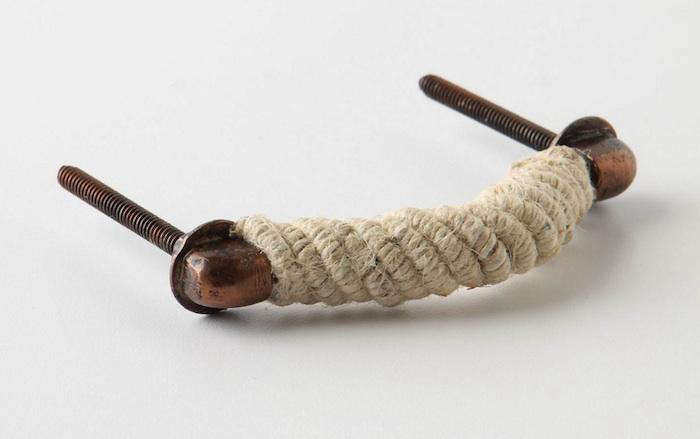
A fixed rope handle sounds simple: a length of rope attached to a container, tool, piece of equipment, or exercise accessory so a human hand can grab it without immediately questioning its life choices. But this humble handle does more work than it gets credit for. It can make a cooler easier to carry, a storage bin easier to pull, a marine line easier to control, a gym attachment easier to grip, and a DIY project look like it came from a catalog instead of a garage corner guarded by spiders.
In practical terms, a fixed rope handle is a rope-based grip that is secured in place rather than freely sliding, rotating, or detaching during use. It may be tied through holes, fastened with knots, mounted with brackets, spliced into a loop, clipped to hardware, or stitched into webbing. The idea is always the same: create a strong, comfortable, easy-to-grab connection between your hand and the object you need to move, lift, pull, or control.
Rope handles are popular because they combine flexibility, strength, comfort, and style. Unlike rigid metal or plastic handles, rope has a little give. It can conform to the hand, absorb small shocks, and work well in tight spaces. The downside? The wrong rope, poor installation, or careless use can turn a helpful handle into a floppy noodle of regret. So let’s look at what fixed rope handles are, where they are used, how to choose the right one, and what real-world experience teaches us about making them last.
What Is a Fixed Rope Handle?
A fixed rope handle is a rope handle that stays attached at defined points. The rope may form a loop, arch, pull tab, or grip section, but its ends are anchored so the handle remains in a predictable position. This makes it different from a loose rope, detachable strap, or sliding cord.
You will see fixed rope handles on buckets, toolboxes, coolers, kayaks, storage crates, gym machines, furniture, marine gear, bags, garden carts, and even decorative home projects. They can be purely functional, purely decorative, orwhen the design team has had coffeeboth.
Common Parts of a Fixed Rope Handle
Most fixed rope handles include three basic elements:
- The rope: This may be nylon, polyester, polypropylene, cotton, manila, or a specialty cord.
- The attachment points: Holes, brackets, D-rings, eyelets, cleats, screws, grommets, or sewn anchor points hold the rope in place.
- The grip area: This is the part your hand actually holds. It may be bare rope, wrapped rope, rubber-covered rope, leather-sleeved rope, or a molded grip over the rope.
The best fixed rope handle is not necessarily the thickest or fanciest. It is the one that matches the load, environment, grip comfort, and attachment method. A handle for a beach cooler does not need the same design as one used on a boat, and a decorative rope drawer pull should not be asked to perform like industrial lifting gear. Rope has feelings tooor at least ratings.
Why Fixed Rope Handles Are So Useful
The popularity of rope handles comes from one big advantage: they solve grip problems without adding much weight or bulk. A fixed rope handle can make an awkward object easier to carry, especially when the item has hard edges, narrow sides, or no built-in grip.
Comfort and Flexibility
Rope is naturally more forgiving than rigid handles. When you carry a heavy bucket or cooler, a rope handle can distribute pressure across the fingers better than a thin wire handle. A thicker rope also gives the hand more surface area to grip, which can reduce the “shopping bag finger squeeze” effect that makes you question every purchase involving canned goods.
Durability in Tough Environments
Synthetic ropes such as nylon, polyester, and polypropylene are often chosen because they resist moisture, mildew, and everyday wear better than many natural fibers. Polyester is valued for low stretch and strong UV resistance. Nylon is known for strength, elasticity, and abrasion resistance. Polypropylene is lightweight, water-resistant, and floats, which makes it useful around pools, boats, and wet outdoor areas.
Easy Replacement
One of the best things about a fixed rope handle is that it can often be replaced without replacing the entire item. If the handle on a bucket, storage bin, garden tote, or cooler wears out, a new rope handle can extend the life of the product. That is good for your wallet and good for keeping useful things out of the landfill.
Style That Looks Intentional
Rope handles bring a casual, rugged, coastal, handmade, or industrial look depending on the rope and hardware. Cotton rope can feel soft and decorative. Manila rope gives a rustic or nautical vibe. Black polyester rope looks clean and modern. A fixed rope handle can turn a plain wooden crate into a farmhouse storage piece or make a basic cooler look ready for a lakeside weekend.
Common Uses for Fixed Rope Handles
Fixed rope handles appear in more places than most people realize. Once you start noticing them, they are everywherelike USB cables, but less judgmental.
Coolers, Buckets, and Storage Containers
Rope handles are common on coolers and buckets because they are flexible, comfortable, and easy to replace. A bucket rope handle may pass through two side holes and be secured with knots inside the container. A cooler handle may use a rope-and-grip combination attached to molded anchor points.
For these applications, the handle should be thick enough to grip comfortably and strong enough for the expected load. If a cooler will be packed with ice, drinks, food, and the emotional weight of being responsible for snacks, the attachment points matter as much as the rope itself.
Marine and Boating Equipment
On boats, rope is already part of the landscape. Fixed rope handles can be used on kayaks, dinghies, dock boxes, storage bags, deck gear, and control lines. In wet conditions, material choice becomes important. Polypropylene floats, while polyester resists UV exposure and has low stretch. Nylon can handle shock loads well but may stretch more than polyester.
For marine use, look for rope that resists moisture, abrasion, and sun exposure. Also inspect attachment hardware regularly because salt, water, sand, and sunlight are basically a hostile committee reviewing your equipment every day.
Fitness and Exercise Equipment
Rope handles are often used in gym attachments, cable machines, resistance training tools, and functional fitness accessories. A rope handle can challenge grip strength, forearm control, wrist stability, and pulling mechanics. Fixed rope handles in fitness settings should be checked often for fraying, loose end caps, weak stitching, or worn connection points.
Unlike a decorative rope handle, a fitness rope handle may experience repeated pulling, sweat, friction, and dynamic movement. That means comfort is important, but safety is more important. A handle that fails mid-rep can turn a workout into slapstick, and not the charming kind.
Furniture and Home Decor
Fixed rope handles are also used as drawer pulls, cabinet handles, trunk handles, and decorative crate grips. In home design, rope adds texture and warmth. It pairs well with wood, canvas, metal, leather, and coastal-inspired interiors.
For furniture, cotton or manila rope may be chosen for looks and feel, while synthetic rope may be better in damp areas such as bathrooms, laundry rooms, patios, and mudrooms. For drawers or cabinets, the handle does not usually carry heavy loads, but it still needs secure knots or hardware so it does not loosen after repeated use.
Outdoor, Garden, and Utility Gear
Garden trugs, tool carriers, firewood totes, tarps, carts, and outdoor bins often benefit from fixed rope handles. Outdoor gear should use rope that tolerates dirt, water, sun, and abrasion. Polyester and polypropylene are common choices because they handle outdoor exposure better than untreated natural fiber.
Best Materials for a Fixed Rope Handle
The rope material determines how the handle feels, wears, stretches, and survives different environments. Choosing the right material is the difference between “nice upgrade” and “why is my handle crunchy?”
Nylon Rope
Nylon is strong, flexible, and abrasion-resistant. It has natural stretch, which can help absorb shock. That makes it useful where the handle may experience sudden pulls or movement. However, nylon can stretch more than some users want, and wet conditions may affect its feel and performance over time.
Best for: tool handles, utility handles, exercise gear, general-purpose pulling, and applications where some give is useful.
Polyester Rope
Polyester is a top choice for outdoor fixed rope handles because it offers low stretch, good abrasion resistance, and strong UV resistance. It also performs well in wet conditions. If you need a handle that stays firm and predictable, polyester is often a smart pick.
Best for: marine gear, outdoor containers, patio storage, utility handles, and long-term sun exposure.
Polypropylene Rope
Polypropylene is lightweight, affordable, moisture-resistant, and buoyant. It is commonly used around water because it floats. However, it is generally less abrasion-resistant than nylon or polyester and may degrade faster under heavy UV exposure unless treated or replaced regularly.
Best for: pool accessories, floating handles, light-duty outdoor use, temporary utility grips, and budget-friendly projects.
Cotton Rope
Cotton rope is soft, attractive, and comfortable in the hand. It is excellent for indoor decorative handles, craft projects, and light-duty use. But cotton absorbs moisture, can mildew, and is not ideal for wet or high-load applications.
Best for: drawer pulls, decorative crates, indoor storage baskets, and soft-touch handles.
Manila Rope
Manila rope has a classic natural look and a traditional nautical feel. It is stronger than many decorative natural ropes, but it can become rough, shed fibers, and break down faster outdoors if exposed to repeated moisture.
Best for: rustic decor, display pieces, light-duty handles, and vintage-style projects.
How to Choose the Right Fixed Rope Handle
To choose the best fixed rope handle, think about how it will be used, where it will live, and how much weight it must handle. A good handle starts with honest expectations. A decorative rope pull is not a forklift, no matter how confident it looks.
1. Match the Rope to the Load
If the handle will carry weight, check the rope’s strength rating and use a generous safety margin. Never rely on appearance alone. Thick rope can still be weak if it is poorly made, damaged, or attached badly. For lifting or load-bearing use, the whole system matters: rope, knots, hardware, anchor points, and the object itself.
2. Consider Grip Diameter
A handle should feel comfortable in the hand. Very thin rope can dig into the fingers, while overly thick rope can be hard to close your grip around. For many carrying tasks, a rope or grip sleeve in the rough range of three-quarters of an inch to one and a half inches feels comfortable for many adults. The ideal size depends on hand size, load weight, and whether gloves will be worn.
3. Think About Weather Exposure
For outdoor use, choose rope that resists UV rays, moisture, mildew, and abrasion. Polyester is often excellent for sun and weather. Polypropylene is useful around water because it floats, but it may need more frequent replacement in harsh sunlight. Natural ropes look great but usually require more care outdoors.
4. Inspect the Attachment Method
The rope itself may be strong, but if it is tied through a weak plastic wall or mounted with undersized screws, failure can still happen. Reinforced holes, washers, brackets, grommets, and proper knots can improve reliability. For heavier loads, use hardware designed for the job rather than whatever mysterious screw was found in the kitchen drawer.
5. Decide Between Bare Rope and Covered Grip
Bare rope is simple and flexible. A covered grip adds comfort and can reduce pressure on the hand. Rubber, foam, leather, heat-shrink tubing, or stitched sleeves can make the grip more pleasant, especially on heavier containers. However, covers can trap moisture, so check underneath them occasionally.
Installation Tips for Fixed Rope Handles
Installing a fixed rope handle can be easy, but small details make a big difference. The goal is to create a secure handle that does not slip, fray, or chew through the attachment points.
Use Strong Knots
Common knots for fixed rope handles include overhand stopper knots, figure-eight knots, bowlines, and double knots depending on the application. Stopper knots are simple for buckets and bins because they prevent the rope from pulling through the hole. For more demanding uses, consider a splice, sewn termination, or rated hardware.
Seal or Finish the Rope Ends
Synthetic rope ends can often be heat-sealed carefully to prevent fraying. Natural rope may need whipping, tape, glue, or binding. Do not skip this step unless you enjoy watching your new handle slowly turn into a sad tassel.
Protect Contact Points
Where rope passes through a hole or around a bracket, friction can cause wear. Smooth the edges of drilled holes, use grommets where appropriate, and avoid sharp metal edges. If the object will be carried often, inspect those contact points regularly.
Test Before Real Use
After installation, test the handle with a light load first, then gradually increase the weight. Watch for slipping knots, stretching, cracking around holes, or hardware movement. A handle should prove itself before it is trusted with a full cooler, expensive tools, or anything breakable enough to make you say words not approved for family websites.
Maintenance: How to Make a Fixed Rope Handle Last Longer
Fixed rope handles are low-maintenance, not no-maintenance. A little attention can prevent failures and keep the handle looking good.
Clean Dirt and Salt
For outdoor and marine handles, rinse away dirt, sand, and salt. These particles can grind into fibers and speed up wear. Let the rope dry fully before storing it in a closed space.
Check for Fraying and Flattening
Look for fuzzy fibers, thin spots, discoloration, stiffness, cuts, melted areas, or flattened sections. If the rope looks damaged, replace it. A fixed rope handle is usually inexpensive compared with the mess caused by a sudden failure.
Watch the Hardware
Screws loosen. Plastic cracks. Metal corrodes. Knots creep. Life is dramatic. Check every part of the handle system, not just the rope. If the handle is attached to a container wall, inspect the wall around the holes for stress cracks.
Replace Before It Fails
If a handle is used frequently, replace it on a schedule instead of waiting for a break. This is especially important for work gear, boat gear, gym accessories, and anything used to carry heavy items.
Safety Considerations for Fixed Rope Handles
Safety depends on context. A rope handle on a drawer is low risk. A rope handle used to lift a loaded object is different. Always use the handle within its intended purpose.
Do not use a decorative fixed rope handle for overhead lifting, towing vehicles, climbing, fall protection, or life-safety applications unless the entire system is specifically rated and designed for that purpose. Rope used for critical safety tasks must meet the correct standards, ratings, and inspection requirements. A cute rope handle on a storage crate is not a rescue system. It may look brave, but bravery is not a certification.
Also be cautious with long rope loops around young children. Loose cords, straps, and loops can create entanglement hazards. For children’s products, keep rope handles short, secure, and age-appropriate, and avoid designs that can fit around the neck.
Buying Guide: What to Look For in a Fixed Rope Handle
When shopping for a fixed rope handle or replacement rope handle, pay attention to the details. Product photos can make anything look sturdy. The specifications tell the real story.
Look for These Features
- Material: Polyester, nylon, polypropylene, cotton, or manila depending on use.
- Diameter: Thick enough for comfort, not so thick that it is hard to grip.
- Load rating: Important for carrying or pulling applications.
- Weather resistance: Essential for outdoor, marine, and garden use.
- Secure ends: Knotted, sealed, stitched, spliced, capped, or properly finished.
- Comfort grip: Useful for heavy loads or frequent carrying.
- Compatible hardware: Make sure the handle fits your bucket, cooler, crate, bag, or equipment.
Avoid These Red Flags
- Rope with visible fraying before use
- No material information
- No load guidance for load-bearing applications
- Sharp attachment hardware
- Thin rope used for heavy containers
- Loose knots or unfinished rope ends
- Decorative rope marketed vaguely for heavy-duty use
DIY Fixed Rope Handle Ideas
A DIY fixed rope handle is one of those projects that feels satisfyingly practical. You can upgrade an old crate, repair a bucket, improve a garden tote, or add character to a cabinet in less time than it takes to find the one drill bit that has somehow entered another dimension.
Wooden Crate Rope Handles
Drill two holes on each side of a wooden crate, feed rope through the holes, and tie stopper knots inside. Sand the holes smooth first so the rope does not rub against sharp wood edges. Cotton or manila rope looks great for indoor storage. Polyester is better for outdoor crates.
Cooler Replacement Handle
If an old cooler handle breaks, a rope replacement can bring it back to life. Use strong synthetic rope, a comfortable grip sleeve, and secure knots or compatible hardware. Test carefully before loading the cooler fully.
Drawer Pulls
For coastal or rustic furniture, short fixed rope loops can replace metal drawer pulls. Keep the loops tight enough that they do not sag excessively. Use washers inside the drawer to spread pressure and keep knots from pulling through.
Garden Bucket Handle
A rope handle can make a garden bucket easier to carry, especially if the original wire handle is uncomfortable. Choose rope that tolerates dirt and moisture, and rinse it occasionally to prevent grit from wearing down the fibers.
Real-World Experiences With Fixed Rope Handles
After using, repairing, and improvising fixed rope handles in everyday situations, one lesson becomes obvious: the handle is only as good as the weakest detail. Most failures do not happen because rope is a bad material. They happen because the rope is mismatched, the knot is lazy, the edge is sharp, or the object is overloaded. In other words, the rope gets blamed for crimes committed by poor planning.
One common experience is replacing a broken plastic handle on a storage bin. Plastic handles often crack at the hinge or snap where the grip meets the bracket. A fixed rope handle can be a surprisingly good upgrade because it bends instead of breaking. The key is to drill clean holes, smooth the edges, and use large stopper knots or washers inside the bin. Without washers, a heavy load may pull the knots into the plastic. With washers, the force spreads out better, and the handle feels more secure.
Another useful experience comes from coolers. A cooler is rarely as light as we pretend it will be. Add ice, drinks, condiments, fruit, and someone’s “just in case” extras, and suddenly the handle is doing serious work. A rope handle with a rubber or foam grip can make a cooler much more comfortable to carry. However, if the rope is too thin, the grip may slide or twist. A slightly thicker rope gives better control and reduces hand pressure. The best setups use a rope that fits snugly through the cooler’s attachment points and a grip that stays centered.
In garden use, fixed rope handles get dirty fast. Soil, water, fertilizer, and sun all take their turn. Cotton rope feels nice at first, but it can absorb moisture and become grimy. Polyester rope performs better for garden buckets and outdoor totes because it resists water and sunlight more effectively. A quick rinse after muddy use helps the handle last longer. If the rope starts feeling stiff, fuzzy, or weak, replacement is easier than pretending the problem will solve itself. It will not. Rope is many things, but it is not self-healing.
For furniture projects, fixed rope handles are more about look and feel than load. A rope drawer pull can make a plain cabinet look custom, especially in beach houses, kids’ rooms, craft rooms, or mudrooms. The trick is proportion. Too thin, and the handle looks like gift-wrap cord. Too thick, and the drawer looks like it is preparing to dock a ship. A medium rope diameter, clean holes, and neat knots create the best finish. If the drawer is used often, adding a small sleeve or wrap at the grip point can prevent discoloration from hand oils.
Fitness rope handles offer a different lesson: inspect often. Repeated pulling places stress on the same spots again and again. Sweat, friction, and twisting can wear down fibers. A handle may look fine from across the room but show fraying near the attachment point. In gyms or home workout spaces, it is smart to check rope handles before use. Tug lightly, look closely, and retire anything that looks worn. No exercise goal requires being bonked by your own equipment.
Marine and water-related use adds another reality: the environment always wins eventually. Sunlight, salt, and wet-dry cycles are tough on materials. Polypropylene is useful when floating matters, but polyester is often more durable under long sun exposure. A fixed rope handle on a kayak, dock box, or boat accessory should be checked at the start of the season and after heavy use. If the rope feels brittle or shows UV fading, replace it before it fails. On the water, small problems become bigger problems quickly.
The best overall experience with fixed rope handles is that they are forgiving, affordable, and highly adaptable. They can make old gear useful again, improve comfort, and add style without complicated tools. But they reward attention to detail. Choose the right rope, protect it from sharp edges, secure the ends properly, and respect the load. Do that, and a fixed rope handle becomes one of those small upgrades that quietly makes life easier every time you grab it.
Conclusion
A fixed rope handle may be a small component, but it plays a big role in comfort, safety, durability, and design. Whether you are repairing a cooler, upgrading a storage crate, improving garden gear, adding nautical charm to furniture, or choosing a grip for exercise equipment, the right rope handle can make the object easier and more pleasant to use.
The smartest choice depends on material, load, environment, attachment method, and hand comfort. Nylon offers strength and stretch. Polyester delivers low stretch and outdoor durability. Polypropylene floats and works well around water. Cotton and manila bring natural beauty for decorative and light-duty projects. Installation matters too: smooth contact points, strong knots, finished rope ends, and regular inspection all help a fixed rope handle last longer.
In the end, a fixed rope handle is proof that practical design does not have to be complicated. Sometimes the best upgrade is simply a strong piece of rope, attached well, placed where your hand naturally wants to go, and trusted only for the job it was meant to do. Simple? Yes. Boring? Not if you have ever carried a heavy cooler with a bad handle.
Note: This article is written for general informational and product-selection purposes. For lifting, climbing, towing, fall protection, or life-safety applications, always use properly rated equipment and follow manufacturer instructions and applicable safety standards.












